Free HIV Services in Thailand: Testing, PrEP, PEP and ART
Thailand’s HIV benefits for Thai citizens: condoms, two free tests yearly, PrEP, PEP, self-tests and ART, plus eligibility and service steps.
อ่านภาษาไทย
Contents
HIV services in Thailand extend beyond a blood test. Public benefits cover prevention supplies, pre-exposure prophylaxis (PrEP), emergency post-exposure prophylaxis (PEP), HIV self-testing, confirmatory testing, and antiretroviral treatment. On 24 August 2026, Thailand’s Department of Disease Control (DDC) reaffirmed that the country continues to support the full prevention–testing–treatment pathway. However, free does not mean that every location provides every service at all times. Eligibility, participating-provider status, clinical assessment, documents, appointments, and local availability still matter.
If a possible exposure occurred within the past 72 hours: do not wait for a routine appointment or for a test to become positive. Go to a public hospital as soon as possible and ask for an urgent PEP assessment. Starting earlier is better, and a test today cannot rule out HIV from an exposure that has just occurred.
Thailand’s free HIV benefits at a glance
| ServicePublished benefitWhat to confirm before attending | ||
| Condoms | Free distribution for everyone at participating collection points | Available types, sizes, quantities, and collection hours |
| PrEP | Free with a Thai national ID card at providers participating with the NHSO | HIV testing, clinical assessment, medication options, and follow-up schedule |
| PEP | DDC states that PEP is free at public hospitals | An urgent clinical assessment is required; PEP must start within 72 hours |
| Facility-based HIV testing | Two voluntary free tests per year for Thai citizens | A hospital or service under Thailand’s national health security system |
| HIV self-test | Up to one free kit per person per day at registered services | Kit availability, collection method, instructions, and post-test support |
| Confirmation and treatment | Prompt linkage to ART under all Thai public health schemes | Registered facility, referral steps, medication collection, and monitoring |
This summary reflects the DDC HIV Info Hub and Ministry of Public Health information reviewed on 28 August 2026. Local delivery can vary by provider, date, stock, and programme participation.
 When booking, name the service you need—HIV testing, PrEP, PEP, or a self-test—so the provider can check eligibility and availability before you travel.
What does “free under all health schemes” mean?
Thai public information uses phrases such as “free for everyone” and “covered under all treatment schemes” to show that services are available across the public health system, including the Universal Coverage Scheme, Social Security, and the Civil Servant Medical Benefit Scheme. The route to each service is different. Condoms may be collected from participating community points, while PrEP requires a participating provider and a Thai national ID card. PEP is a prescription medicine and requires urgent clinical assessment. HIV treatment is linked to a person’s health scheme and may involve a referral if the testing site is not the registered treatment facility.
It is therefore important to separate financial coverage from same-day availability at a specific location. A clinic may participate in the PrEP benefit but operate only on selected days, require an appointment, or need baseline blood tests. A pharmacy may distribute condoms or self-test kits without providing PEP. A public hospital can assess a PEP emergency, but a clinician still needs to determine whether the exposure warrants medication and whether any medical factors affect the prescription.
Foreign nationals, migrant workers, and people without Thai public coverage should not assume that the phrase “for everyone” automatically makes every service free. Depending on status, they may use Social Security, migrant health insurance, private insurance, a community programme, or self-payment. Contact the service before travelling to ask which documents and fees apply.
1. Where to collect free condoms
The DDC lists public health services, public hospitals, subdistrict health-promoting hospitals, civil-society organisations, participating pharmacies, and channels connected to the Paotang app as possible condom collection points. Stock, sizes, materials, quantities, and collection procedures vary. If you need a particular size or material, call ahead rather than assuming that every collection point has the same options.
Free access is only one part of effective use. Choose a comfortable size, check the expiry date and package, avoid sharp objects when opening the wrapper, use a compatible lubricant, and use a new condom for each act. For a broader prevention plan, see the HIV prevention guide.
2. Free PrEP: eligibility and preparation
PrEP is for people who do not have HIV and want protection before a possible future exposure. The DDC states that people can use a Thai national ID card to receive free PrEP from healthcare and community providers participating with the National Health Security Office (NHSO). Receiving PrEP involves more than collecting tablets: the provider must establish that the person does not have HIV, review health and medication information, select an appropriate approach, and arrange ongoing testing and refills.
Bring your Thai ID card, a list of medicines and supplements, allergy information, your most recent HIV test if available, and the date of any recent possible exposure. Tell staff immediately if an exposure happened within the past 72 hours, because PEP may need to be considered before PrEP. Report fever, rash, sore throat, swollen glands, or other viral symptoms after a recent exposure, as the clinician may need to investigate possible acute HIV with appropriate testing.
PrEP protects against HIV when used as prescribed, but it does not prevent every sexually transmitted infection or pregnancy. It can be combined with condoms, STI testing, vaccination, contraception, and other tools according to each person’s goals. Do not share medication or start and stop PrEP without an agreed plan, because the appropriate schedule and monitoring depend on the regimen and the individual.
3. Free PEP: an emergency service
PEP is an emergency course of antiretroviral medicine after a possible HIV exposure, such as a condom breaking or slipping, sharing injection equipment, blood reaching broken skin, or sexual assault. The DDC HIV Info Hub states that PEP is free at public hospitals and does not limit the number of service episodes. A clinician still needs to assess the type of exposure, body fluid, route, time elapsed, source information when known, and whether the source has sustained viral suppression.
PEP must start as soon as possible and no later than 72 hours after exposure. If it is overnight, a weekend, or you are unsure whether the event qualifies, go to a public hospital emergency department and clearly ask for “an urgent HIV PEP assessment.” Do not wait for the other person’s result or for the 72-hour deadline. A baseline HIV test helps guide care but cannot detect infection from an exposure that happened only hours or days earlier, so follow-up testing remains essential.
“No limit on service episodes” does not make PEP a substitute for regular prevention. If emergencies happen repeatedly, a non-judgmental provider can help you consider PrEP, STI testing, condoms, and other options that fit your circumstances.
4. Two free HIV tests per year for Thai citizens
Thai citizens can receive two voluntary HIV tests per year at hospitals and services under the national health security system. Testing should be based on informed consent and handled confidentially. Before attending, ask whether an appointment is required, which identification is accepted, when results will be available, and what privacy options the service provides.
The benefit count does not determine the medically appropriate test date. Timing depends on the exposure, test type, use of PrEP or PEP, and previous results. Testing too early can fall inside the window period and require another test. See the HIV testing guide for test types and timing. For a focused comparison of public benefits and private charges, read how much HIV testing costs in Thailand and where it may be free.
People seeking testing without linking their name directly to the result may have coded or anonymous options at selected services. These do not necessarily use the same public benefit or fee structure. See the anonymous clinic guide for the distinction between anonymous and confidential testing.
5. Free HIV self-testing
An HIV self-test is a screening option for people who value privacy or cannot easily attend a clinic. The DDC states that a person may receive up to one free kit per day from services registered with the NHSO, including participating civil-society providers. Collection routes and stock vary, so check the current DDC self-test service list or contact a provider directly.
Before use, confirm that the package is sealed and in date, and follow the instructions for that exact product. Oral-fluid and fingerstick tests use different samples and reading times. Do not apply one product’s steps to another or interpret a result after the time limit in the instructions.
A reactive self-test is a screening result, not a final diagnosis. It must be followed by confirmatory testing at a hospital. A negative result may also need follow-up if the exposure was recent. If an exposure was within the past 72 hours, do not wait for or rely on a self-test result—seek a PEP assessment immediately.
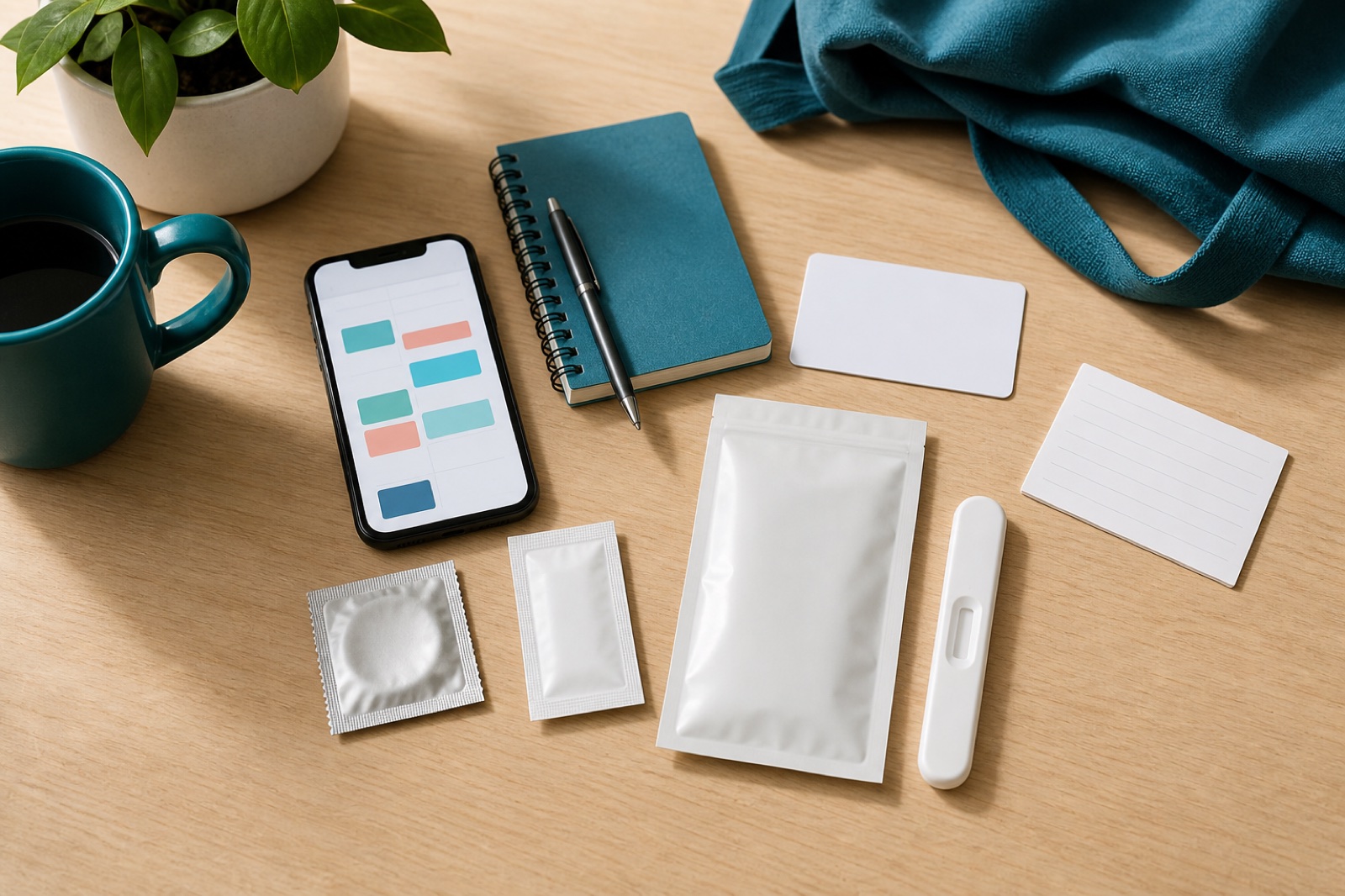 Prepare identification, a medication list, and the date of the most recent possible exposure, and confirm the service before travelling.
6. Confirmatory testing and prompt ART
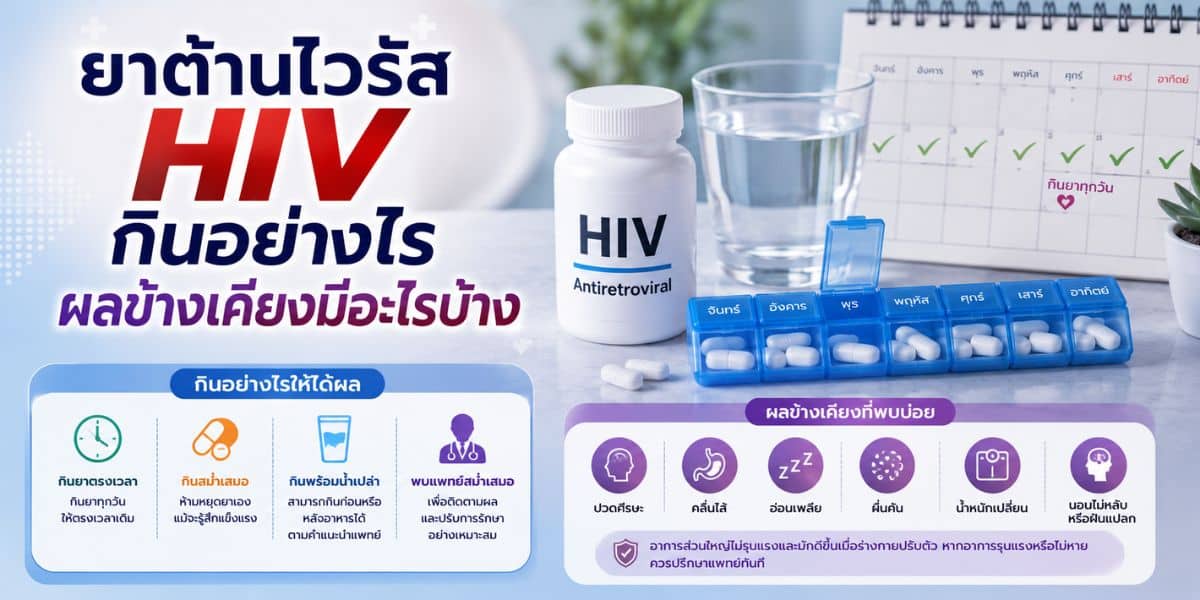
After HIV is confirmed, a person can be linked promptly to antiretroviral therapy (ART) under Thailand’s public health schemes. The Ministry of Public Health supports same-day or rapid ART when the diagnosis is confirmed, the person is ready, and the clinical assessment is complete. Early treatment protects the immune system, reduces illness, and helps achieve viral suppression sooner.
Care continues beyond the first prescription. It includes viral-load monitoring, support with side effects and drug interactions, management of other health conditions, mental-health support, and reliable medication access. If the testing location is not the treatment facility under the person’s scheme, ask staff for the destination, appointment date, referral documents, and a contact route if medication may run out before the next visit.
A person who takes ART and maintains a viral load below 200 copies/mL does not transmit HIV through sex. This is U=U—Undetectable equals Untransmittable. U=U is scientific evidence, not a moral reward, and it should never be used to stigmatise someone who has just started treatment, is changing a regimen, or has not yet achieved suppression. Everyone deserves respectful care.
What to prepare
- Thai national ID: required for specified public benefits. Ask whether ThaiD or another document is accepted if the physical card is unavailable.
- Health-scheme information: check Universal Coverage through the NHSO system or 1330; Social Security and civil-servant beneficiaries should confirm their registered service.
- Medication and supplement list: include non-prescription products, hormones, and allergies for safe PrEP, PEP, or ART assessment.
- Exposure information: when it happened, route of exposure, condom or PrEP use, and the source’s HIV/viral-suppression information if known. Proof is not required to request an assessment.
- Previous results: bring available HIV, hepatitis, kidney, or STI results, but never delay urgent PEP while searching for paperwork.
How to find the right service without a wasted trip
- Identify the immediate need: emergency PEP, HIV testing, PrEP, a self-test kit, or ongoing treatment.
- For a possible exposure within 72 hours, go to a public hospital immediately rather than waiting for a routine clinic booking.
- For planned care, browse sexual-health clinics or search Love2Test.
- Confirm that the service is available on the planned date, whether an appointment is required, which scheme or nationality is eligible, and whether anything falls outside the benefit.
- Ask about confidentiality, result timing, follow-up, and referral before confirming the visit.
Universal Coverage beneficiaries can check their scheme through the NHSO citizen portal or call 1330. The DDC hotline 1422 provides general disease-prevention information. Calling ahead is especially useful for evening clinics, public holidays, and services that need medication stock or laboratory capacity.
Frequently asked questions
Can everyone collect free PrEP immediately?
No. Free PrEP is delivered through participating NHSO providers, and HIV testing plus an appropriate clinical assessment are required before initiation. A Thai national ID card is used for the published benefit, and service days should be confirmed.
Does free PEP mean medication is dispensed without seeing a clinician?
No. PEP is an emergency prescription that requires assessment of the exposure, timing, medical factors, and baseline testing. No limit on service episodes means a person can return for assessment after another event; it does not guarantee an automatic prescription.
What if I need more than two HIV tests in a year?
Testing frequency depends on exposure history, PrEP or PEP follow-up, and clinical advice. Ask the provider whether an additional test is covered by another benefit or programme or has a fee. Never delay PEP while waiting for a routine testing entitlement.
Does a reactive HIV self-test confirm HIV?
No. A reactive screening result requires confirmatory testing at a hospital. Contact a service or the support channel supplied with the kit promptly, and do not begin or share someone else’s medication.
Can someone without a Thai national ID use these services?
Possibly, but coverage depends on nationality, registration status, Social Security, migrant health insurance, community programmes, and provider policy. Contact the clinic about documents and fees rather than assuming that every service is free.
Will an HIV result be disclosed to an employer or family?
Testing should be voluntary and confidential. Ask the provider how records are stored, who can access them, and whether anonymous or coded testing is available. Seek advice if confidentiality or consent is breached.
Verified sources
Sources and links were reviewed on 28 August 2026. Benefits, participating providers, and delivery channels can change; confirm current arrangements with the provider or scheme owner before travelling.
- Thailand DDC HIV Info Hub: HIV health-service benefits
- Thailand DDC: prevention, testing and treatment benefits, 24 August 2026
- Thailand DDC: registered HIV self-test services
- NHSO citizen health-coverage checker
- CDC: PEP timing and 28-day course when prescribed
- CDC: HIV testing and follow-up before and during PrEP
- WHO: viral suppression and prevention of sexual transmission