Life Forward Episode 2: Choosing HIV Treatment for the Long Term
An appropriate HIV regimen must suppress the virus while accounting for side effects, drug interactions, other health conditions, access, and everyday life.
อ่านภาษาไทย
Contents
Life Forward · Episode 2
A good regimen must work clinically and in real life
Choosing HIV treatment is not simply a matter of pill count or another person’s experience. An appropriate regimen needs durable antiviral activity, acceptable safety and tolerability, and a practical fit with the person’s laboratory results, resistance history, other conditions, medicines, access, and preferences.
Guidelines consider antiviral efficacy, resistance, adverse effects, dosing frequency, pill burden, drug interactions, cost and access, and the likelihood that the regimen can be taken continuously. This is why shared decision-making with a qualified clinician matters.

Information the care team needs
- All prescriptions, non-prescription medicines, antacids, herbs, and supplements
- Gender-affirming hormones, contraception, pregnancy, or family-planning goals
- Kidney, liver, hepatitis, bone, cardiovascular, metabolic, or mental-health history
- Shift work, travel, privacy concerns, and a realistic daily dosing time
- Past side effects, allergies, resistance results, and every previous HIV regimen
Once-daily dosing is not automatically right for everyone
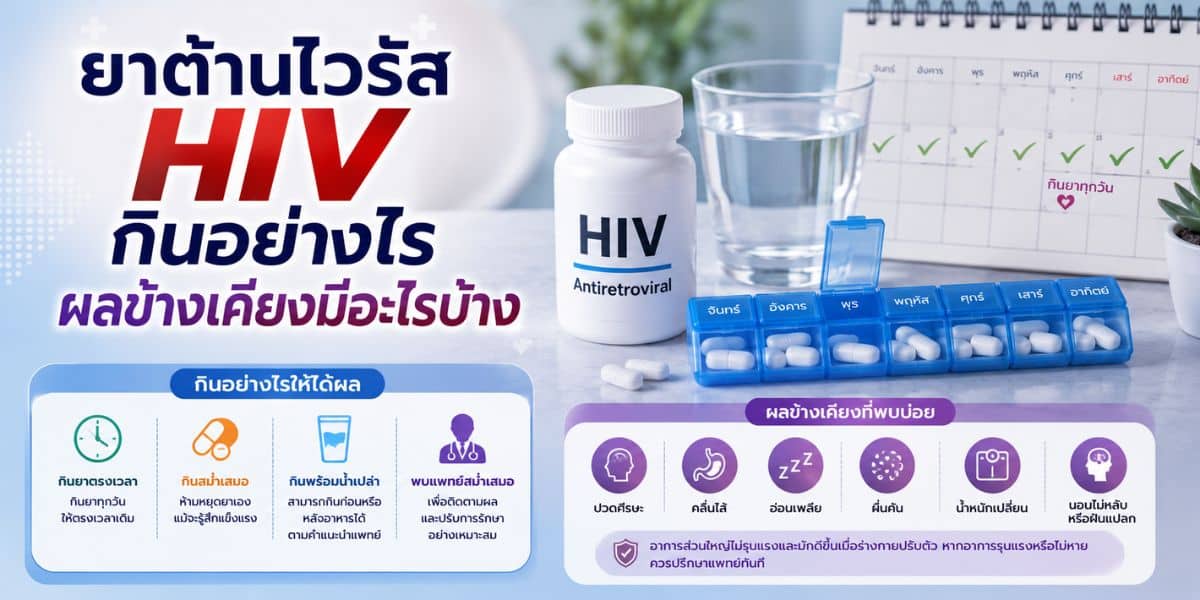
Many current regimens are convenient and taken once a day, but timing, food requirements, interacting products, and adverse effects still matter. One person may reliably link treatment to breakfast, while another needs an evening routine. The best plan also needs to work on busy or unpredictable days.
If taking treatment consistently becomes difficult, treat the problem as a barrier that can be addressed—not as a character flaw. Shift work, travel, housing, privacy, adverse effects, depression, and access can all interfere. Identifying the actual cause makes it possible to adjust the routine or support around treatment instead of simply asking someone to try harder.
We need to put ourselves in the patient’s position and ask what a medicine they may take for life should be like.
If the regimen does not fit, review it safely
Switching treatment is possible in many situations, but the clinician must review treatment history, resistance, hepatitis B status, other conditions, and interactions. Do not stop, reduce, or alternate HIV medicines on your own; doing so can allow viral load to rebound and may restrict future options.
Before the appointment, record dose times, symptoms, other medicines or products, and the parts of the routine that are difficult. Specific observations support a useful discussion and keep the goal focused on a regimen that is both effective and sustainable.
Sources and further reading
Where this episode’s doctor practises
Clinic details for Chaiwat Songsiriphan, MD
Review services, location, and contact details before travelling. Confirm current hours, fees, and appointment availability directly with the clinic.


Bangkok
Safe Clinic
Safe Clinic is a clinic in Bangkok offering HIV and STI testing, PEP, treatment, and continuing care. Review its contact details, opening hours, and facilities, or use the direct Love2Test link to book an appointment.
- HIV Testing
- STD Testing
- PEP (Post-Exposure Prophylaxis)
- PrEP (Pre-Exposure Prophylaxis)