
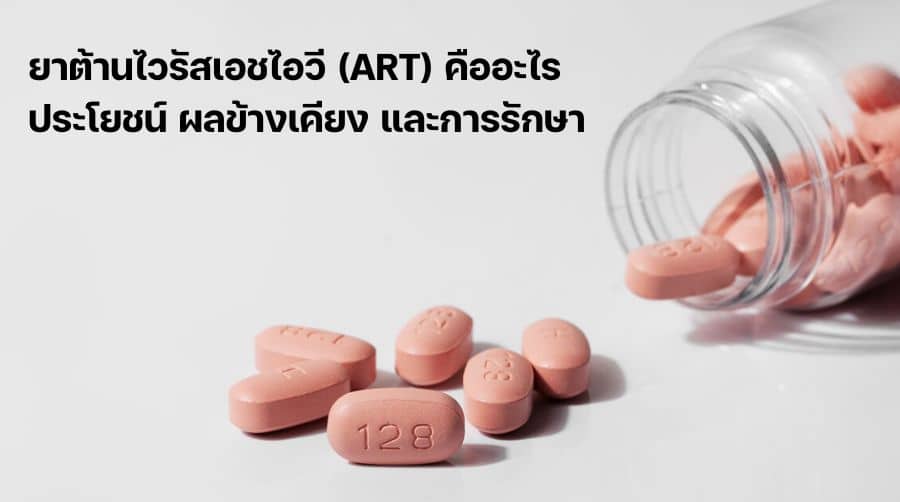
What is ART?
ART stands for antiretroviral therapy. It combines medicines that interrupt different steps in the HIV life cycle. Modern regimens are often available as a single combination tablet or another simplified plan. ART does not remove every copy of HIV from the body, but it can reduce viral load to an undetectable level, allow immune recovery, and prevent opportunistic illness.
The goals are durable viral suppression, preservation or recovery of CD4 cells, prevention of illness and drug resistance, and a long, healthy life. Effective treatment also prevents sexual transmission. People receiving appropriate HIV care can plan work, relationships, travel, pregnancy, and family life.
When should treatment start?
Current guidelines recommend ART for every person with HIV and support starting as soon as possible after a confirmed diagnosis. There is no need to wait for symptoms or a low CD4 count. Earlier treatment limits ongoing viral damage and shortens the time with a high viral load.
Rapid treatment should still include assessment for medical conditions and readiness. Certain serious opportunistic infections require careful coordination of treatment timing. This is a clinical decision—not a reason to disappear from care or buy medicine without supervision.
Baseline tests and choosing a regimen
The care team confirms the diagnosis and reviews previous antiretroviral exposure, pregnancy, kidney or liver disease, tuberculosis, hepatitis, other medicines, and mental-health or practical needs. Resistance testing may be indicated. The best regimen is individual; comparing tablet names with another person can be misleading.
- Viral load to establish the amount of HIV before treatment
- CD4 count to assess immune health and opportunistic-infection risk
- Kidney, liver, blood-cell, glucose, or lipid tests as appropriate
- Assessment for tuberculosis, hepatitis B/C, and STIs
- A complete list of prescriptions, over-the-counter products, supplements, and recreational substances
Regimen choice considers virologic effectiveness, safety, resistance, interactions, pill burden, dosing, access, cost, co-existing conditions, and the person’s preferences.
What viral load and CD4 show
| Test | What it measures | How it is used |
|---|---|---|
| HIV viral load | HIV genetic material in blood | The main marker of whether ART is suppressing the virus |
| CD4 count | Immune cells affected by HIV | Immune status and need for opportunistic-infection prevention |
| Safety tests | Kidney, liver, blood cells, glucose, or lipids | Keep the selected regimen safe and appropriate |
Viral load should fall after effective ART. Most people can bring HIV under control within about six months, although the time varies. “Undetectable” does not mean cured or HIV-negative. If treatment stops, the viral load can rebound.
Why consistent treatment matters
Keeping enough medicine in the body prevents HIV from multiplying. Frequent interruptions can lead to viral rebound, immune damage, and resistance that narrows future options. Missing a dose can happen and should not be met with blame. The useful response is to identify barriers and create a workable plan—reminders, pill boxes, delivery, appointment support, or a different regimen when clinically suitable.
Do not automatically double a dose after forgetting it; follow the medicine-specific instructions or contact the clinic. Seek help promptly after several missed days, vomiting after a dose, running out of medicine, or missing an injection appointment.
Side effects and medicine interactions
Early nausea, headache, sleep changes, or stomach discomfort may improve. A severe rash, high fever, mouth sores, red eyes, breathing difficulty, jaundice, reduced urine, or neurological symptoms need urgent assessment. Do not stop ART without advice unless an emergency clinician instructs you.
Antacids, tuberculosis medicines, seizure medicines, hormones, herbal products, and supplements can alter ART levels. Share everything you use—including non-prescription and recreational substances—so the team can adjust timing, monitoring, or regimen without judgement.
ART, U=U, and long-term health
A person taking ART who achieves and maintains a viral load below 200 copies/mL will not transmit HIV through sex. This is U=U. ART does not prevent other STIs or pregnancy, so prevention choices remain personal and situation-specific.
Long-term care also includes vaccination, cardiovascular health, kidney and liver care, cancer screening, mental health, sleep, nutrition, exercise, dental health, and smoking cessation. Visits should make space for relationships, privacy, pregnancy plans, travel, and barriers to treatment. Everyone deserves confidential, respectful care.
Using ART safely over the long term
Antiretroviral treatment works by combining medicines that block HIV at different stages of its life cycle. The goal is durable viral suppression, protection of the immune system, and prevention of HIV-related illness. Most people use a simple daily regimen, but the best combination depends on resistance results, other health conditions, pregnancy plans, interactions, and medicine availability. A regimen that suits one person may not suit another, so never share tablets or copy someone else’s schedule.
Take doses as consistently as possible and request refills before medicine runs out. If a dose is late or missed, follow the instructions for your specific medicines or contact the clinic; do not automatically double the next dose. Tell the provider about prescription medicines, pharmacy products, supplements, hormones, recreational drugs, and traditional remedies because some can change ART levels. Bring a current medicine list whenever another clinician prescribes treatment.
Monitoring usually includes viral load and safety tests chosen for the regimen and the person’s health. Viral load shows whether treatment is suppressing HIV; CD4 reflects immune status and may be checked less often once health and suppression are stable. A detectable result does not automatically mean that a person failed. The team should check adherence barriers, recent illness, laboratory variation, interactions, and possible resistance before changing treatment.
Side effects are often most noticeable after starting or switching treatment and may improve with time, but persistent or severe symptoms deserve assessment. Do not stop the whole regimen on your own, because interruption can allow HIV to rebound and may create resistance in some circumstances. Seek urgent care for trouble breathing, severe rash, swelling of the face, jaundice, confusion, or other rapidly worsening symptoms. For nausea, sleep difficulty, headache, or fatigue, the service may adjust timing, provide supportive treatment, or choose another effective regimen.
Treatment supports a long and healthy life but does not replace other care. Continue vaccinations, STI screening, cancer screening, reproductive care, mental-health support, dental care, and management of blood pressure, diabetes, kidney, liver, and bone health as appropriate. Smoking cessation, movement, sleep, and nutritious food matter for everyone and should be discussed without blaming people for structural barriers such as cost, housing, work schedules, or food access.
Plan ahead for travel, holidays, emergencies, and changes in clinic access. Carry enough medicine in its labelled packaging, keep a current prescription or clinic contact, and ask how to store the regimen safely. If continuity becomes difficult, contact the HIV service before tablets run out so it can arrange a refill, transfer, or clinically appropriate alternative without an avoidable treatment gap.
ART selection also considers previous resistance, hepatitis B treatment needs, tuberculosis therapy, pregnancy, kidney and liver function, and whether a long-acting option is appropriate. Long-acting treatment is not simply an injection replacing any tablet; eligibility, oral lead-in where used, injection timing, and management of late doses require a clinic plan. If injections are stopped, another fully active regimen may be needed while medicine levels slowly decline.
Privacy and autonomy remain part of safe treatment. People can ask how records are stored, who receives results, and whether appointments or medicine packaging could reveal information. A trusted person may help with reminders or transport only with permission. Clinicians should explain choices in plain language, include the person in decisions, and respond to adherence problems with problem-solving rather than threats or shame.
When a person takes ART and maintains a viral load below 200 copies/mL, they do not transmit HIV through sex: U=U. This evidence supports relationships, sexual wellbeing, and family planning without fear. U=U does not prevent other STIs or pregnancy, and viral load needs ongoing monitoring. Decisions about condoms, contraception, PrEP for a partner, and disclosure should remain informed, voluntary, respectful, and consistent with personal safety and applicable law.
Switching treatment deserves the same care as starting it. A switch may simplify dosing, reduce an interaction, address side effects, support pregnancy plans, or replace medicines when resistance is identified. Before changing, the clinician reviews the complete treatment and resistance history because an old result can affect which new combinations will remain fully active. Ask which medicines are stopping, which are starting, whether food requirements or dosing times change, and when the next viral-load and safety tests are due. Keep taking the previous complete regimen until the agreed switch date unless the team gives different instructions. If access problems force an urgent change, contact an HIV service rather than combining leftover tablets from different regimens.
Hospital stays and care from several specialists can create medication errors unless ART is clearly documented. On admission, show the exact product names, doses, and usual time, and ask the team to verify interactions before withholding or crushing tablets. Some antacids, mineral supplements, tuberculosis medicines, seizure medicines, and other drugs can alter antiretroviral levels, while certain ART can change levels of other treatment. At discharge, compare the new medicine list with the old one and confirm who will prescribe the next refill. If swallowing, vomiting, surgery, kidney injury, or liver illness affects dosing, the HIV team should coordinate an alternative. Continuity matters, but safety also means adapting the regimen with expert advice when the body or clinical situation changes.
- Take ART according to the agreed schedule and arrange refills early
- Check interactions before adding medicines, supplements, or hormones
- Review viral load results and the follow-up plan rather than judging treatment by symptoms
- Report side effects early so the team can manage them without an unsafe interruption
- Keep a confidential copy of your regimen, allergies, results, and clinic contacts