Life Forward Episode 1: HIV Treatment and a Future with Hope
What happens after an HIV diagnosis, why prompt antiretroviral treatment matters, how viral load is monitored, and why the future remains yours to plan.
อ่านภาษาไทย
Contents
Life Forward · Episode 1
You do not need every answer on the day of diagnosis
An HIV diagnosis can bring shock, fear, or a sense that life has changed all at once. Those responses are understandable. The first practical step is to connect with an HIV care service that can confirm the diagnosis, review baseline health information, and plan treatment with you.
HIV is now a manageable chronic health condition. Antiretroviral therapy does not remove HIV from the body, but it stops the virus from multiplying, allows the immune system to recover, and sharply reduces HIV-related illness. People who receive effective, continuous care can live long and healthy lives.

Why prompt treatment matters
International guidelines recommend antiretroviral therapy for everyone with HIV. Starting promptly reduces the time the virus can damage the immune system and shortens the time to viral suppression. The care team may review viral load, CD4 count, kidney and liver function, hepatitis status, resistance results, pregnancy considerations, and other health information to select an appropriate regimen.
The time to viral suppression varies. Many people achieve it within months of taking treatment consistently, but symptoms and elapsed time cannot confirm it; a viral-load test can. See the Love Foundation ART guide for a plain-language introduction.
People living with HIV can live long lives, work, and carry on with everyday life just like anyone else.
Questions to take to the first treatment visit
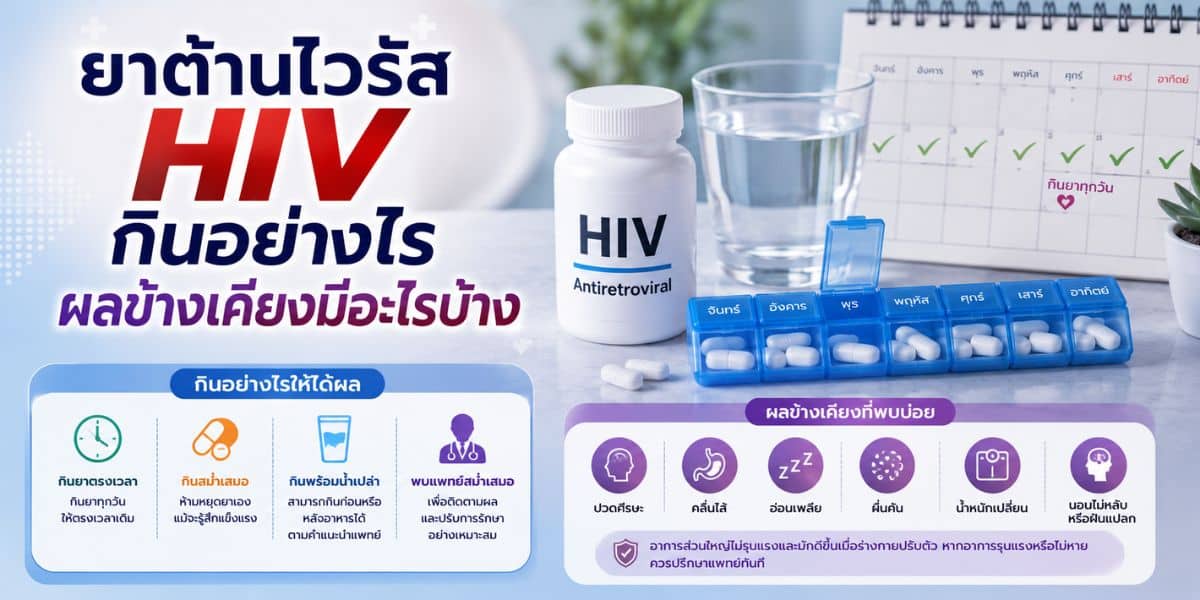
- When and how should this regimen be taken, including food or timing requirements?
- What should I do if I miss a dose, vomit after a dose, or run short while travelling?
- Which early effects are expected, and which symptoms require urgent assessment?
- When will viral load, CD4 count, kidney, liver, or other tests be repeated?
- Could prescriptions, hormones, supplements, antacids, or over-the-counter medicines interact?
You can still plan for the future
Good HIV care is about more than a laboratory result. It includes returning to work or study, maintaining relationships, and planning a family or pursuing other personal goals. When treatment produces sustained viral suppression, a person with HIV does not transmit HIV through sex: U=U.
If you have not yet started care or have been away from treatment, you do not need to solve everything before making contact. Start with a conversation and an assessment. Find an HIV-friendly clinic and plan the next steps with the care team.
Sources and further reading