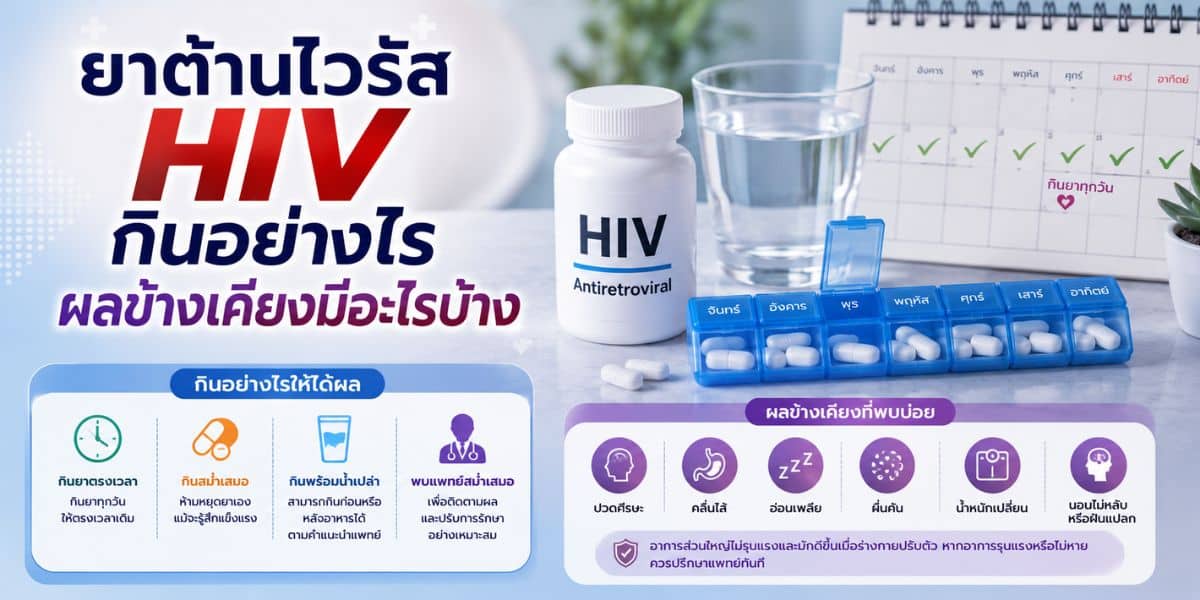
Pruritic Papular Eruption (PPE) in HIV: Diagnosis and Care
PPE can occur in people with HIV, but no rash diagnoses HIV. Learn what it can look like, which conditions mimic it, and when urgent care is needed.
อ่านภาษาไทย
Contents
PPE in HIV may occur even though people living with HIV often show no obvious symptoms during the early stages of infection. Over time, without consistent antiretroviral therapy (ART), the immune system gradually weakens, making the body more vulnerable to opportunistic infections and complications. One condition that may occur when the immune system is weakened is Pruritic Papular Eruption (PPE), also known as an “itchy papular rash in people with HIV.”
Although PPE itself is not directly life-threatening, it reflects the decline of immune health and can significantly impact quality of life. Persistent itching, physical discomfort, emotional stress, and worries about social appearance all contribute to the burden of this condition. Therefore, understanding PPE is crucial not only for patients but also for their families and communities.
List of Contents
- Characteristics
- Is It Contagious?
- What Happens If HIV Is Not Treated?
- Prevention
- Treatment Approaches
PPE in HIV - Characteristics
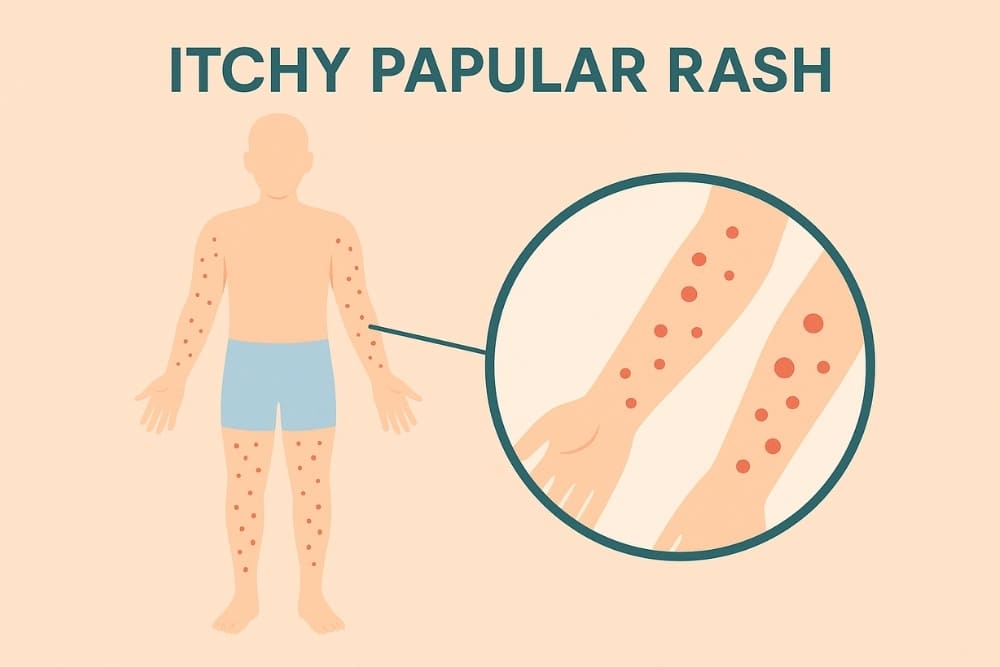
PPE in HIV is a common skin condition that appears as itchy papules, often resembling mosquito or insect bites. The lesions are typically red and inflamed, and may develop pustules if secondary bacterial infection occurs after scratching. Dark spots or scars often remain once the lesions heal. More importantly, PPE in HIV is not just a simple rash but serves as a biological marker of declining immune function, signaling vulnerability to opportunistic infections and complications.
PPE in HIV - Pathogenesis
The exact cause of PPE in HIV is not fully understood, but research highlights several contributing mechanisms:
- Abnormal immune response: Weakened immunity causes the body to overreact to environmental stimuli such as insect bites or allergens.
- Chronic inflammation: HIV triggers ongoing cellular inflammation, making the skin more sensitive and irritable.
- Secondary infections: Scratching or minor skin breaks may lead to bacterial or fungal superinfections.
- Association with CD4 count: Patients with CD4 counts below 200 cells/µL are more likely to develop PPE.
PPE in HIV - Clinical Features
Clinical presentations of PPE in HIV include:
- Itchy, red, or raised papules resembling insect bites
- Inflamed lesions with excoriations due to scratching
- Dark spots or scars left after lesions resolve
- Pustules when complicated by bacterial infection
- Common sites: arms, legs, trunk, and exposed skin; less commonly on the face
- Chronic nature with severe itching that disturbs sleep and affects daily life
PPE in HIV - Is It Contagious?
Many people wonder whether PPE in HIV is contagious. The answer is no—PPE itself is not contagious. HIV can be transmitted only when blood, semen (including pre-seminal fluid), vaginal or rectal fluids, or breast milk from a person with transmissible HIV reaches a mucous membrane, damaged tissue, or the bloodstream. Touching PPE lesions does not transmit HIV.
What Happens If HIV Is Not Treated?
If a person living with HIV does not receive treatment, several serious outcomes can occur:
- Progressive destruction of the immune system, particularly CD4 cells
- Development of opportunistic infections such as tuberculosis, pneumonia, or oral thrush
- Higher risk of severe illnesses such as certain cancers, heart disease, and kidney disease
- Progression to AIDS, which can be life-threatening
Prevention
The most effective way to prevent PPE is to protect and maintain overall immune function:
- Get tested for HIV regularly to know your status early
- Begin antiretroviral therapy (ART) immediately after an HIV diagnosis
- Use condoms consistently during sexual activity
- Never share needles or syringes with others
- Care for your skin: avoid scratching, keep it moisturized, and prevent dryness or secondary infection
Treatment Approaches
Treatment for PPE focuses on relieving itching, preventing secondary infections, and controlling HIV:
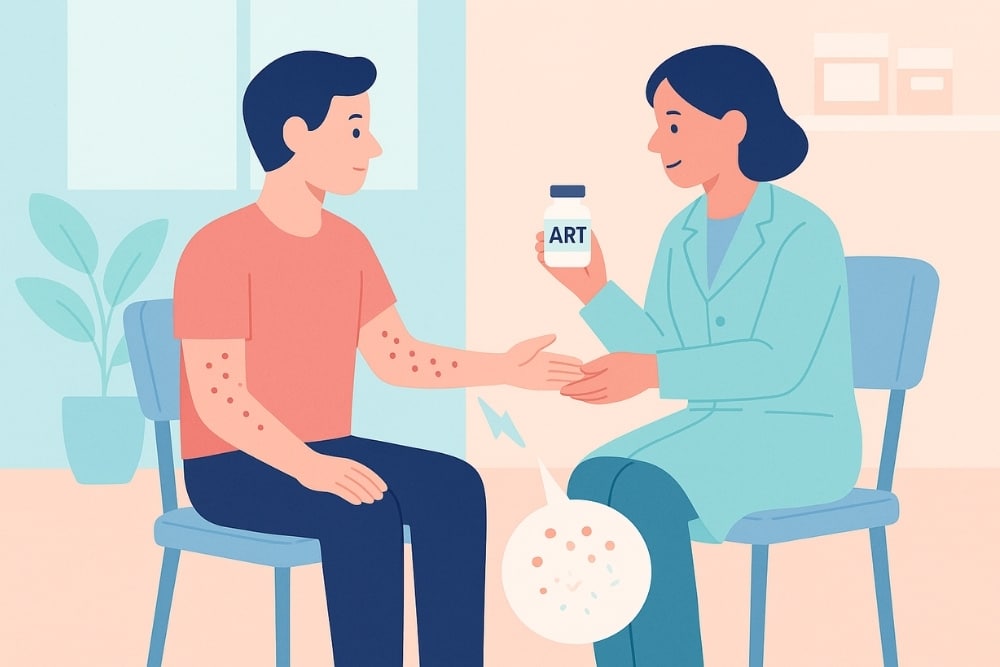
- Antiretroviral therapy (ART): The cornerstone of treatment, restoring immune function and reducing the likelihood of PPE
- Antihistamines: Help relieve itching
- Topical corticosteroids: Reduce skin inflammation
- Skin care: Avoid scratching, use moisturizing creams, and maintain good hygiene
- Managing complications: If secondary bacterial infections occur, antibiotics may be prescribed under medical supervision
⚠️ It is important to note that PPE treatment mainly manages symptoms. Lasting improvement requires consistent HIV treatment with ART.
Related Article
PPE in HIV - Physical, Psychological and Social Impacts
Even though PPE is not fatal, it can negatively affect many aspects of life.
| Impact Area | Description | Examples |
|---|---|---|
| Physical | - Severe itching disrupts daily activities - Sleep disturbance from chronic itching - Risk of bacterial infection from scratching - Fatigue due to poor rest | - Waking up at night from uncontrollable itching - Pustular lesions from scratching - Constant tiredness |
| Psychological | - Loss of self-confidence due to scars or dark spots - Stress and anxiety about health - Risk of depression if the condition is persistent | - Avoiding wearing clothes that show skin - Withdrawing from social settings - Feeling hopeless or anxious |
| Social | - Misunderstanding as a contagious skin disease - Stigma or discrimination in society - Strained family and social relationships | - Friends avoiding close contact - Exclusion from activities - Feeling isolated or rejected |
"The most important step in preventing PPE and other opportunistic conditions is consistent HIV treatment with antiretroviral therapy. ART helps control viral load, strengthen the immune system, and reduce the risk of complications."
Conclusion
PPE in HIV is a common condition in people with weakened immune systems. It presents as chronic itchy papules that often leave scars or dark spots. While not directly life-threatening, PPE is a warning sign of immune decline. The best prevention is regular HIV testing, early initiation of ART, and strict adherence to medical advice. By doing so, people living with HIV can not only manage PPE but also maintain a healthier and more fulfilling life.
Reference: ↪︎ How Do HIV Bumps and PPE Bumps Differ? How to Tell Where They Appear ↪︎ PPE Bumps or AIDS Bumps: How to Care for Yourself Once You Have Them ↪︎ AIDS (HIV/AIDS): Understanding Symptoms, Stages, and PreventionPruritic papular eruption (PPE) describes some chronic itchy papular eruptions in people with HIV, particularly with immune suppression. It is not a visual HIV test, and no bump or photograph can diagnose HIV.
Safe symptom care and warning signs
Use gentle skin care and avoid unsupervised steroid, antibiotic, or antifungal mixtures. Urgent assessment is needed for rapid spread, blisters, mucosal lesions, facial swelling, breathing difficulty, high fever, severe pain, pus, eye symptoms, or a rash after starting a new medicine.
Frequently asked questions
What kind of bump proves HIV?
None. HIV status is established with an appropriate HIV test, while the skin condition requires its own diagnosis.
Is PPE contagious?
PPE itself is not an infectious diagnosis, but mimics such as scabies or fungal infection can spread and must be distinguished.
Can ART improve PPE?
Restoring immune health with effective ART is important and may improve symptoms, while separate skin treatment may still be needed.
Primary sources reviewed: NIH: HIV Clinical Guidelines · NIH: Rash and Hypersensitivity Reactions
Verified references
Links and relevance to the article’s main topic were reviewed on 13 August 2026. Each source supports only the scope stated in the original document and does not replace personalised medical, legal, or service advice.
- WHO/NCBI Bookshelf: Papular pruritic eruption in HIV Accessed 13 August 2026
- WHO: HIV and AIDS fact sheet Accessed 13 August 2026