Opportunistic infections are infections that can occur in people living with HIV. HIV destroys CD4 white blood cells, which play an essential role in the immune system. As the level of CD4 cells falls, the body grows weaker and becomes more susceptible to opportunistic infections, which can lead to serious illness and can even be fatal.
Symptoms of Opportunistic Infections
The symptoms of opportunistic infections can vary from person to person, depending on the severity of the infection. Common symptoms of opportunistic infections include:
Tuberculosis (TB): an infection caused by the bacterium Mycobacterium tuberculosis. It usually affects the lungs but can also occur in other organs, such as the spine, brain, kidneys, and intestines.
Pneumonia: an infection caused by bacteria, viruses, or fungi. It usually affects the lungs, causing symptoms such as a persistent cough, difficulty breathing, and shortness of breath.
Meningitis: an infection caused by bacteria, viruses, or fungi. It usually affects the brain and spinal cord, causing symptoms such as headache, vomiting, nausea, a stiff neck, and seizures.
Fungal infections: infections caused by fungi. They usually affect the mouth, throat, esophagus, skin, and urinary tract, causing symptoms such as dry mouth, difficulty swallowing, coughing, sore throat, skin rash, and frequent urination.
Diagnosing Opportunistic Infections
Physical examination: this may reveal signs and symptoms of opportunistic infections, such as fever, chills, cough, difficulty breathing, headache, nausea, vomiting, diarrhea, weight loss, and fatigue.
Blood tests: these may reveal abnormalities in the white blood cells, such as a low CD4 count, or antibodies to the pathogens that cause opportunistic infections.
Other tests: these may include a chest X-ray, a biopsy, or other tests, depending on the type of infection.
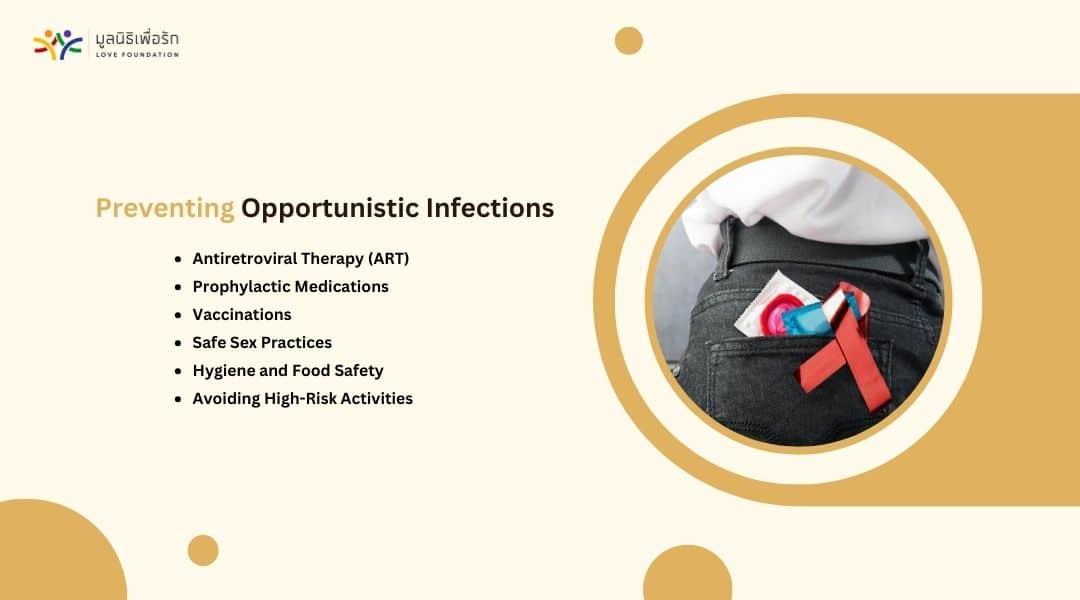
Start antiretroviral therapy for HIV as soon as possible.
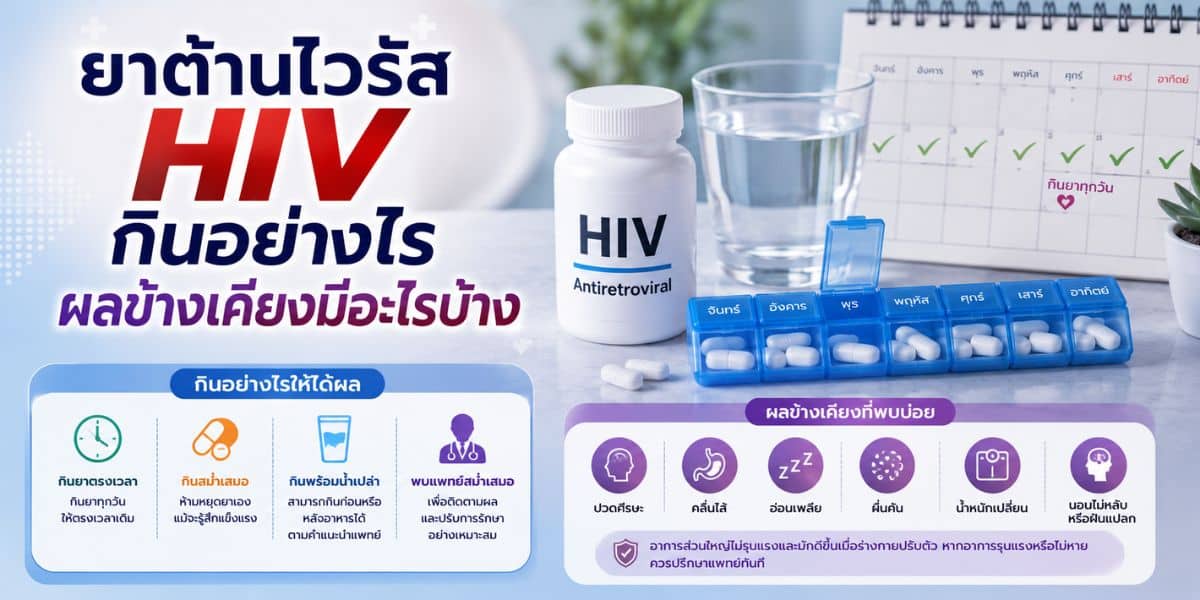
Take your antiretroviral medication strictly, as directed by your doctor.
Get regular screenings for your blood viral load and CD4 level.
Have safe sex by using a condom every time you have sex.
Get enough rest.
Exercise regularly.
Eat nutritious food.
Treating Opportunistic Infections in People with HIV
If you are diagnosed with an opportunistic infection, prompt treatment is essential. The specific treatment will depend on the type of infection or its symptoms, but it may include antifungal medications, antibiotics, antiviral medications, or other treatments. Your healthcare provider will tailor the treatment plan to each individual's needs.
Receiving antiretroviral medication consistently can help prevent opportunistic infections. Antiretroviral medication boosts the body's immunity, allowing it to fight off various pathogens more effectively.
Verified references
Links and relevance to the article’s main topic were reviewed on 13 August 2026. Each source supports only the scope stated in the original document and does not replace personalised medical, legal, or service advice.
Written and reviewed byLove Foundation Editorial Team
Health and community-rights editorial team
Published 25 October 2023
· Last updated 13 August 2026