Herpes on the Nose: Symptoms, Treatment, and Prevention
Herpes on the nose is another condition that stays with you for life once contracted, causing sores to appear around the mouth or the genital area.
อ่านภาษาไทย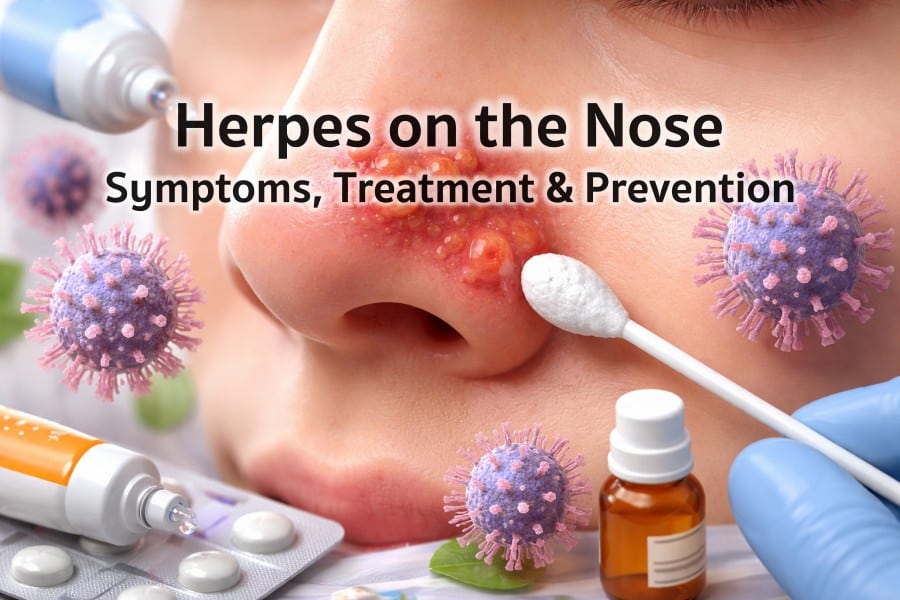
Contents
Herpes on the nose is a herpes virus infection of the skin around the nostrils, the nasal wings, or the lining inside the nose. It is usually caused by Herpes Simplex Virus Type 1 (HSV-1), the same virus responsible for cold sores on and around the lips. People may first feel itching, burning, pain, or tightness around the nose, followed by small, clear, fluid-filled blisters that break open into sores and then scab over.
After the first infection, HSV lies dormant in the nerve ganglia. Even after the outward sore heals, the virus stays in the body and can flare up again when triggered by factors such as stress, insufficient rest, illness, a weakened immune system, hormonal changes, or strong sun exposure. Many people, however, have no symptoms at all, or symptoms so mild that they are mistaken for a pimple, a graze, or folliculitis.
Although herpes on the nose is usually mild and clears on its own, the nose sits close to the eyes, so it is important not to let the virus spread to the eye by touching or picking at the sore. If you develop eye pain, redness, sensitivity to light, watery eyes, or blurred vision, see a doctor promptly — HSV infection of the cornea (HSV keratitis) needs urgent care from an ophthalmologist.
 Contrary to common belief, herpes transmission does not always require sexual contact. You can contract the virus in other ways, such as a parent with a herpes lesion kissing their child on the mouth. This explains why many people who experience cold sores often first encounter them during childhood. Pregnant women can also pass the virus to their baby during childbirth, though this is relatively rare.
Additionally, herpes can spread to other parts of your body if you touch a herpes blister or lesion and then touch another area, such as the mouth, genitals, eyes, or nose, without washing your hands. This type of contact can also transmit the virus to other individuals.
Contrary to common belief, herpes transmission does not always require sexual contact. You can contract the virus in other ways, such as a parent with a herpes lesion kissing their child on the mouth. This explains why many people who experience cold sores often first encounter them during childhood. Pregnant women can also pass the virus to their baby during childbirth, though this is relatively rare.
Additionally, herpes can spread to other parts of your body if you touch a herpes blister or lesion and then touch another area, such as the mouth, genitals, eyes, or nose, without washing your hands. This type of contact can also transmit the virus to other individuals.
Find sexual-health and STI testing services
* Prices and free services vary by provider. Please check the details before booking.
Find a provider
Choose STI testing that fits your situation
* Prices and free services vary by provider. Please check the details before booking.
View testing locations
List of Contents
1. What Causes Herpes on the Nose? 2. How Can You Contract Herpes on the Nose? 3. What Are the Symptoms of Herpes on the Nose? 4. Treatment for Herpes on the Nose 5. Medications Used to Treat Herpes 6. Prevention of Herpes on the Nose 7. How to Care for Yourself When You Have Herpes on the NoseWhat Causes Herpes on the Nose?
Herpes is caused by an infection with the Herpes simplex virus, commonly known as Herpes, which has two types: Herpes simplex virus type 1 (HSV-1) and Herpes simplex virus type 2 (HSV-2). These viruses can reside in various areas of the body, leading to confusion about the specific type of herpes infection. Here's how they can be identified:- HSV-1: This type is commonly found around the lips, nose, and throat. It often occurs when the body is weak, the immune system is low, or due to stress and lack of rest. Examples include cold sores around the mouth or herpes on the nose.
- HSV-2: This type primarily causes infections in the genital area, including the genitals, perineum, and scrotum.
How Can You Contract Herpes on the Nose?
Herpes is easily transmitted through direct contact with skin lesions. Areas such as the genitals, mouth, nose, and eyes are especially susceptible to infection. Other parts of the body can also become infected if the virus has an entry point, such as through cuts, wounds, or skin rashes.
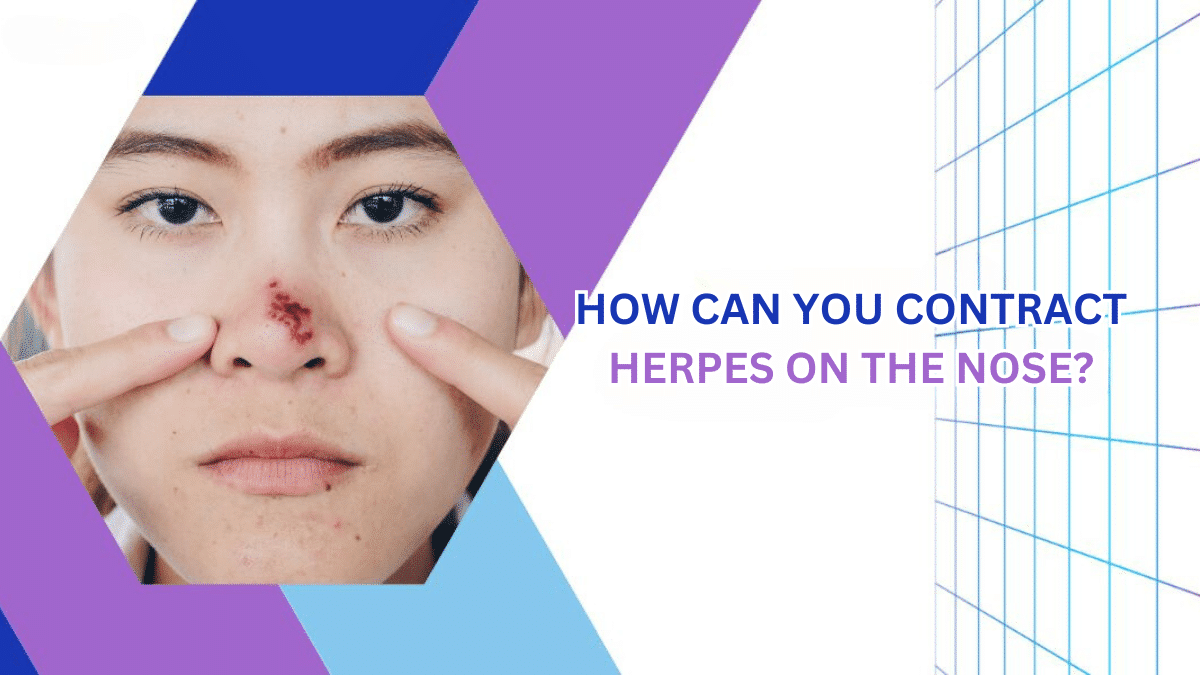
Contrary to common belief, herpes transmission does not always require sexual contact. You can contract the virus in other ways, such as a parent with a herpes lesion kissing their child on the mouth. This explains why many people who experience cold sores often first encounter them during childhood. Pregnant women can also pass the virus to their baby during childbirth, though this is relatively rare.
Additionally, herpes can spread to other parts of your body if you touch a herpes blister or lesion and then touch another area, such as the mouth, genitals, eyes, or nose, without washing your hands. This type of contact can also transmit the virus to other individuals.
What Are the Symptoms of Herpes on the Nose?
The symptoms of herpes can vary depending on whether it's the first occurrence or a recurrence. Most people experience their first outbreak during childhood or adolescence. The first outbreak typically has an incubation period of 3 to 7 days after exposure to the virus. In most cases, there are no symptoms, but if symptoms do appear, they may include:- A group of blisters that break open and form shallow sores
- Pain, burning, or tenderness around the lesion
- Fever, fatigue, headache, and body aches
- Swollen lymph nodes
Treatment for Herpes on the Nose
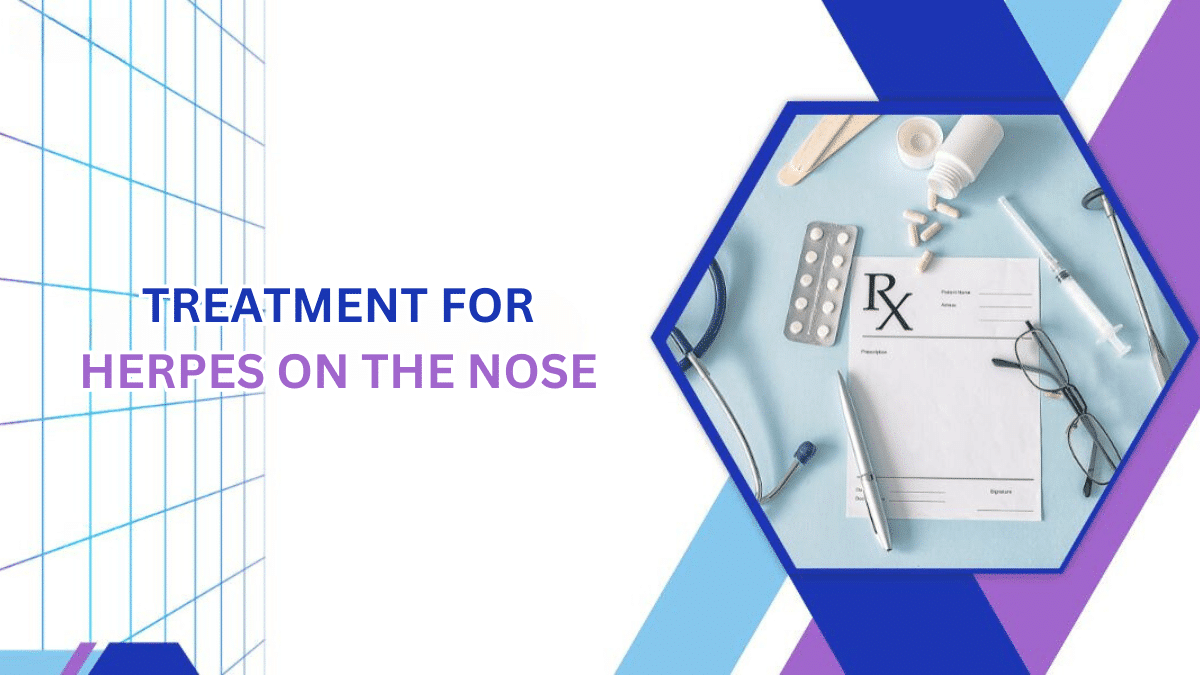
Although there is currently no cure for herpes, there are ways to manage the symptoms. Herpes medications can help speed up the healing process and reduce the likelihood of recurrent outbreaks. A doctor will recommend the most appropriate medication for you. While you are experiencing blisters or sores, the doctor may prescribe medication to help the lesions heal more quickly.
Medications Used to Treat Herpes
Herpes is a condition that cannot be cured, but its symptoms can be managed and the severity of outbreaks reduced with antiviral medications. These medications inhibit the growth of the virus and help alleviate symptoms such as itching, irritation, and pain at the site of infection. The commonly used antiviral medications for treating herpes are:1. Acyclovir
Acyclovir is the first-generation antiviral medication used to treat herpes. It comes in various forms, including oral tablets, cream, and injections. Acyclovir is effective in reducing the duration of symptoms and preventing the spread of the virus. It is typically used for patients with mild to moderate symptoms.2. Valacyclovir
Valacyclovir is a newer antiviral medication that the body can convert into acyclovir. The advantage of valacyclovir is that it has a longer-lasting effect, requiring fewer doses (usually once or twice a day). It is suitable for patients with severe symptoms or those at higher risk of recurrent infections.3. Famciclovir
Famciclovir also inhibits the spread of the virus, similar to valacyclovir. It can be used for both first-time infections and recurrent outbreaks. Famciclovir is highly effective in shortening the duration of symptoms and preventing the virus from spreading.How to Use Antiviral Medications for Herpes on the Nose
These antiviral medications should be taken as prescribed by a doctor. The earlier you start taking them after the first signs of symptoms (such as a burning, itching sensation or the appearance of blisters), the more effective they will be in reducing symptoms. Note: Antiviral medications do not eliminate the herpes virus from the body entirely but help control its spread and reduce the frequency of outbreaks. Maintaining good health, such as getting adequate rest and avoiding triggers like stress or prolonged sun exposure, can also help reduce the risk of recurrent outbreaks. If you have concerns about using these medications, it is advisable to consult with a doctor or pharmacist for appropriate guidance.Prevention of Herpes on the Nose
- Avoid direct contact with herpes sores
- Avoid sharing personal items such as towels, underwear, or clothing
- Get adequate rest and sleep
- Exercise regularly
- Eat a balanced and nutritious diet
- Avoid risk factors that can trigger herpes outbreaks
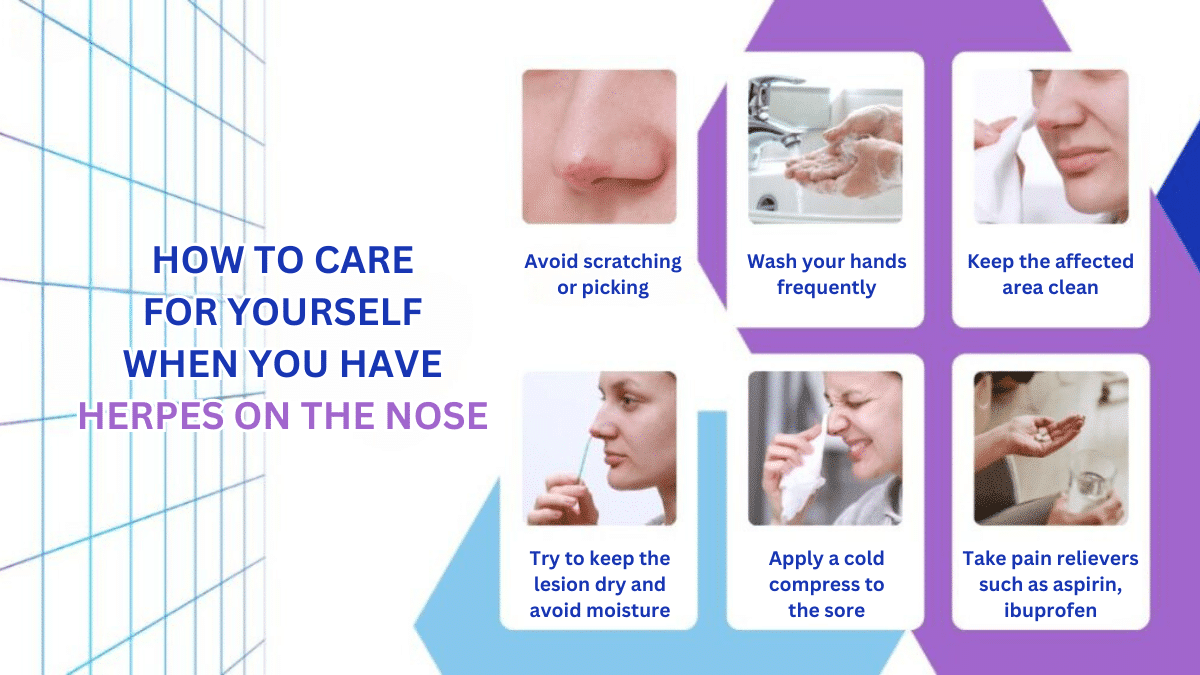
How to Care for Yourself When You Have Herpes on the Nose
You can relieve the symptoms of herpes on the nose with the following methods:- Take warm baths
- Wash your hands frequently and thoroughly
- Keep the affected area clean
- Try to keep the lesion dry and avoid moisture, as moisture can slow healing
- Avoid scratching or picking at the blisters, as this can delay healing and lead to reinfection
- Apply a cold compress to the sore (e.g., use a gel cold pack)
- Take pain relievers such as aspirin, ibuprofen, or paracetamol
Verified references
Links and relevance to the article’s main topic were reviewed on 13 August 2026. Each source supports only the scope stated in the original document and does not replace personalised medical, legal, or service advice.
- CDC: About Genital Herpes Accessed 13 August 2026
- CDC: STI Treatment Guidelines Accessed 13 August 2026

Written and reviewed by
Love Foundation Editorial Team
Health and community-rights editorial team
Published 15 December 2020
Last updated 14 August 2026