
What are STIs?
STIs are infections transmitted through vaginal, anal, or oral sex, and some can also spread through skin-to-skin genital contact. Treatment outcomes depend on the infection: syphilis, gonorrhea, and chlamydia are generally curable with appropriate antibiotics; herpes and HIV can be controlled with treatment but are not currently eradicated from the body; and hepatitis C can be cured with direct-acting antiviral medicine. Feeling well does not rule out an STI because many infections cause no symptoms.
Syphilis
Syphilis is caused by bacteria. It often starts as a sore that doesn't hurt and heals on its own — so many people think it's gone, even though the infection is still in the body. Later, a rash can appear, including on the palms and soles, sometimes with a fever or swollen lymph nodes. Left untreated, syphilis can hide quietly and cause serious problems years later. The good news: a simple blood test finds it, and antibiotics cure it (the exact treatment depends on the stage). If you're pregnant, get tested so the infection isn't passed to your baby.
Gonorrhea and chlamydia
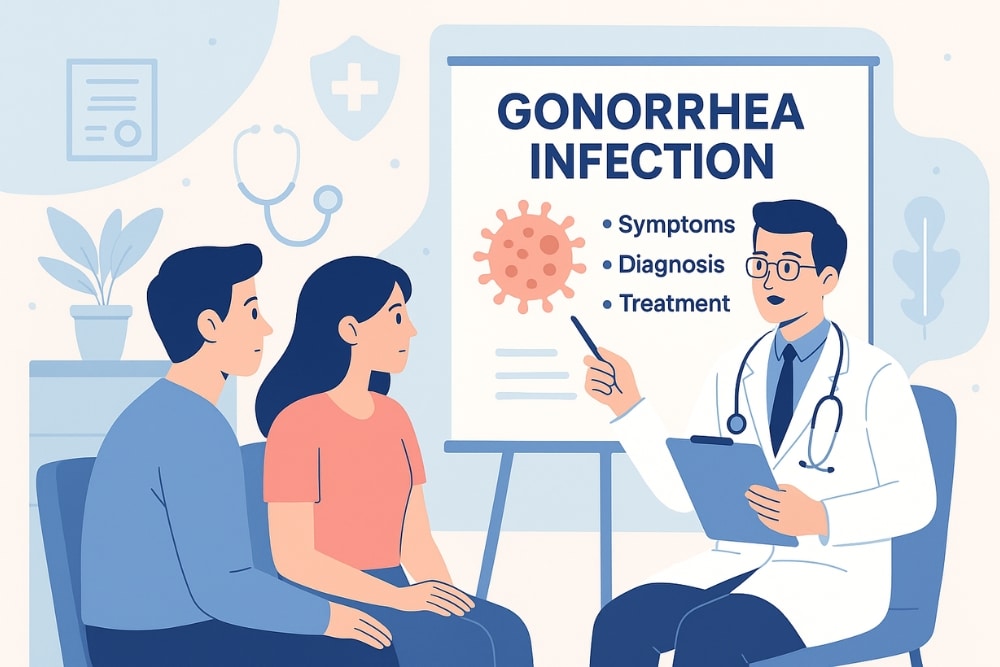
Gonorrhea and chlamydia can live in several places — the urethra, vagina, cervix, anus, and throat. Common signs are burning when you pee, unusual discharge or pus, and lower belly pain, but many people feel nothing at all. The key is to test the sites you've actually been exposed, not just a urine sample every time. If you've had oral or anal sex, samples need to come from there too. Only take the medicine your doctor prescribes — taking the wrong medicine on your own can make the infection resistant to treatment.
HPV, herpes, and hepatitis
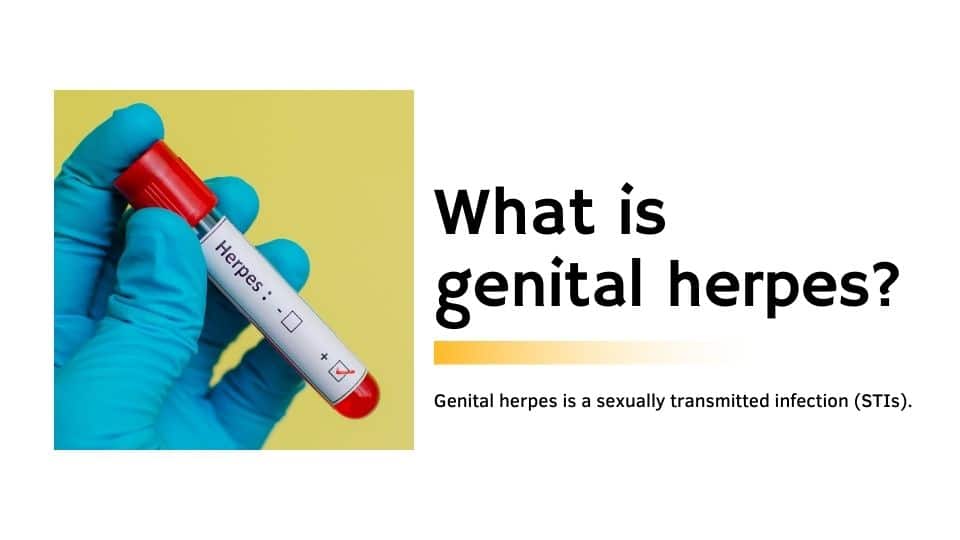
HPV includes many types: some cause warts and others are associated with cancer. HPV vaccination and recommended screening reduce risk. Herpes can cause blisters or sores that recur; antiviral medicine can reduce symptoms and transmission. Hepatitis B is vaccine-preventable, while hepatitis C can be cured in most people with direct-acting antiviral treatment.
Testing summary table
| Infection | Sample used for testing | Treatment/care |
|---|---|---|
| Syphilis | Blood test and assessment of any lesions | Antibiotics and follow-up blood tests |
| Gonorrhea/chlamydia | Urine or swab from the site of exposure | Antibiotics per guidelines |
| HIV | Blood or a standardized test kit | Antiretroviral therapy (ART) and viral load monitoring |
| HPV | Cervical/anal screening as indicated | Vaccination and care of any lesions |
Test first when you start having sex or have a new partner. You can start testing even before any symptoms appear.
Use an individualized testing schedule. Some people may be advised to test every 3–6 months depending on the infection, exposure sites, PrEP use, and other factors.
Sample the sites you've been exposed. Genitals, anus, and throat, depending on your activities.
Return for follow-up after treatment. Some infections require a test of cure; others call for later retesting to detect a new infection.
How often you should test depends on a lot of things — your age, the sites involved in sex, how many partners you have, whether you use PrEP, pregnancy, and any past STIs. Tell your provider the real picture so they can pick the right sites to sample and plan testing that fits you. There's no need to feel embarrassed — they ask so they can take care of you.
Make STI testing routine and stigma-free
STI testing is ordinary preventive healthcare. A result does not prove who acquired an infection first, whether anyone was dishonest, or how long it has been present. Many infections cause no symptoms and can remain unnoticed, so use results to connect people with treatment and partner services rather than to assign blame. Ask which body sites were tested, whether a repeat test is needed after the window period, and when sex can safely resume after treatment.
The correct sample depends on exposure. Urine or a genital swab may not detect infection in the throat or rectum, and blood tests are used for infections such as syphilis, HIV, and hepatitis. Tell the clinician about oral, vaginal, anal, and shared-equipment exposure in plain language so they can choose sites without assumptions about identity. Vaccination against hepatitis A, hepatitis B, and HPV may also be relevant, while cervical and other cancer screening follows age, anatomy, history, and local guidance.
After treatment, follow the instructions for avoiding sex, partner testing or treatment, and repeat testing. Some infections require a test of cure in particular circumstances; others need retesting later because reinfection is common. Do not share leftover antibiotics or treat a partner from the name of your medicine. Antimicrobial resistance, pregnancy, allergies, and the body site can change the recommended regimen. Seek urgent assessment for severe pelvic or testicular pain, eye symptoms, pregnancy with symptoms, fever with a spreading rash, or possible sexual assault.
STIs are a group of different infections
STI isn't one disease. It's a group of different infections — some bacterial, some viral, some parasitic. Knowing which one you have matters, because each is tested, treated, and followed differently. One more thing to understand: a person can have several at once, and testing positive for an STI doesn't prove anyone was unfaithful, since many infections stay hidden with no symptoms for a long time.
- Bacterial ones — like chlamydia, gonorrhea, syphilis, and trichomoniasis — can be cured with the right medicine. (Gonorrhea is getting more drug-resistant, so take exactly what your doctor prescribes.)
- Viral ones — like HIV, herpes, hepatitis B, and HPV — may stay in the body, but medicine, vaccines, and follow-up keep them from causing serious harm.
- They spread through vaginal, anal, and oral sex and through skin contact. HIV and hepatitis can also spread through blood, and some infections can pass from parent to baby.
Symptoms depend on the infection and body site
STIs can cause many different symptoms — but the big thing to watch for is that many cause none at all. So you can't judge by how you feel; testing is the only way to know, and samples have to come from the sites you've been exposed. Don't try to name a problem from how a sore or bump looks either, since herpes, syphilis, and Mpox can look alike. Let a clinician confirm it.
- Possible signs include discharge or pus, burning urination, sores, blisters, warts, rash, pelvic pain, or a sore throat.
- Gonorrhea and chlamydia in the throat or rectum often cause nothing. Syphilis sores are usually painless and heal on their own, so people think they're cured while the infection stays.
- HPV can be present with no visible warts, and herpes can spread even when no sore is showing.
- A urine test or genital swab alone may miss infection in the throat or rectum. Blood tests are used for syphilis, HIV, and hepatitis, but each has its own timing and way of reading results.
Who should discuss screening and how often
Screening means testing before symptoms appear, to catch infection early. Guidelines differ from country to country, so don't copy someone else's testing schedule. Ask your provider directly which infections to test for, at which sites, and whether it's time for a vaccine or cervical screening. Know that a "full screen" has no fixed package — some don't include herpes or HPV in people without symptoms, and some infections need a repeat test after treatment.
Before the visit, think about the types of contact that occurred and the body sites involved rather than trying to label yourself as high or low risk. A clinician may recommend urine, genital, throat, or rectal samples and blood tests in different combinations. The timing of the most recent contact matters because tests have window periods. Testing very early can be useful for a baseline, but a later repeat may still be needed. If symptoms begin while waiting, return for assessment instead of relying on the planned screening date.
Ask the service how results will arrive, who can see them, and what happens after a positive, negative, or unclear result. A negative result only covers the infections, body sites, and time periods actually tested. An unclear result is not a diagnosis and may require a new specimen or a different test. Keep the test date, specimen sites, treatment name, allergies, and follow-up date in a private record so the next clinician does not have to reconstruct the history from memory.
- How often to test depends on your age, pregnancy, anatomy, sexual activities, the number and gender of partners, condom or PrEP use, what's common in your area, and past infections.
- People with new or multiple partners, men who have sex with men, sex workers, and people using PrEP should get site-specific testing at regular intervals.
- Pregnant people should be tested early and again when needed, to protect both parent and baby.
Treatment, partners, and preventing reinfection
If your doctor prescribes medicine, take the full course as directed. Don't reach for leftover antibiotics — the wrong drug or dose may not work, can cause side effects, and can drive drug resistance. And remember: feeling better doesn't always mean the infection is gone. If symptoms stay or come back, go back to your doctor.
Partner care should be planned with safety and local clinical rules in mind. The look-back period, tests, and treatment depend on the infection, so a message that simply says “get checked” may not give a service enough information. A clinic or public-health partner service may help notify partners confidentially. If direct contact could lead to violence, coercion, housing loss, or unwanted disclosure, tell the provider before any notification is attempted and ask about a safer option.
- Ask clearly when you can have sex again, whether you need a test to confirm you're cured, and when to retest.
- Recent partners may need to be told to get tested and treated too, even with no symptoms. Some clinics offer confidential partner notification.
- The goal is to stop the infection from spreading, not to blame anyone. Avoid sex until everyone has finished treatment, and if telling a partner could put you at risk of harm, ask the clinic for a safer notification plan.
Vaccination and prevention across infections
Vaccines prevent some STIs very well, but they don't treat an infection you already have — their job is to protect you from types you haven't been exposed to yet. Keep a record of your shots and finish the full series on schedule.
- The hepatitis B vaccine works very well, and the hepatitis A vaccine is recommended for some groups.
- The HPV vaccine prevents strains that cause warts and several cancers; the number of doses depends on your age and history.
- Condoms and barriers cut the risk of many infections but don't cover all skin, so they aren't 100%. Lubricant reduces injury and helps keep condoms from breaking.
- Prevention methods work together — testing and early treatment, partner care, PrEP, U=U (a person with HIV who takes their medicine and has an undetectable viral load does not pass HIV on through sex), clean injecting equipment, and vaccines. Don't assume any gender, identity, or relationship type is automatically safe or unsafe.