VCT Day 2025 - Get Tested, Get Empowered
Every year on July 1st, Thailand observes an important health awareness day that many people may not yet be familiar with — Voluntary Counseling and Testing…
อ่านภาษาไทย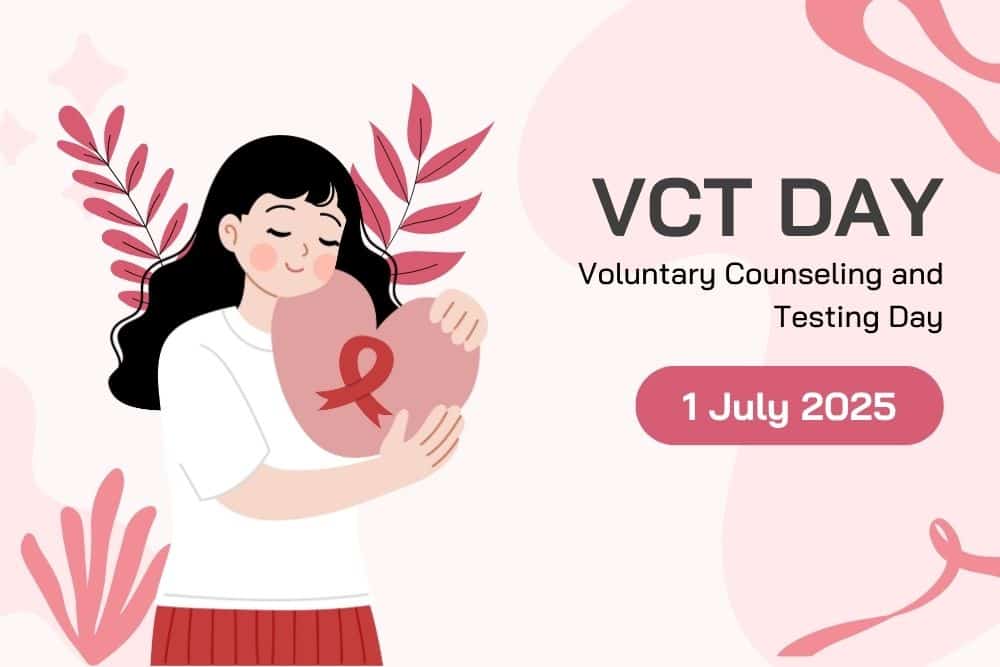
Contents
List of Contents
- The History of VCT Day
- The Development of VCT Day in Thailand
- Why Is Knowing Your HIV Status Important?
- The HIV Situation in Thailand in 2025
- Why Does This Year’s VCT Day Emphasize HIV Self-Testing?
- VCT Day = Ending Stigma
- requently Asked Questions
The Development of VCT Day in Thailand
In Thailand, VCT Day is observed annually on July 1st, and serious nationwide campaigns began in 2002. The movement has been led by key government and civil society organizations, including:- The Department of Disease Control, Ministry of Public Health
- Bamrasnaradura Infectious Diseases Institute
- The Thai Red Cross Society
- Civil society organizations such as the ACCESS Foundation, the Thai Network of People Living with HIV/AIDS, and other community-based groups
- To expand access to voluntary HIV testing and counseling services
- To reduce the number of new HIV infections through early diagnosis and prevention
- To ensure timely linkage to care for people who test positive
- To combat stigma and discrimination against people living with HIV (PLHIV) and encourage a more inclusive and supportive society
Why Is Knowing Your HIV Status Important?
Knowing your HIV status is not just a personal matter — it's a critical public health strategy that plays a key role in controlling the spread of HIV at both the community and national levels. With many people living with HIV unaware of their status, transmission continues silently and unintentionally.1. Preventing Unknowingly Spreading HIV
People who don’t know they are living with HIV may unintentionally transmit the virus to others, especially if they engage in sex without a condom. Getting tested and knowing your status helps protect both yourself and those you care about.
2. Early Treatment = Better Long-Term Health
Starting antiretroviral treatment (ART) early after diagnosis helps control the virus before it weakens the immune system. With proper care, people living with HIV can lead long, healthy lives just like anyone else.
3. You Can’t Transmit What You Can’t Detect (U=U)
If you are living with HIV and consistently take ART until the virus becomes undetectable in your blood, you cannot transmit HIV through sexual contact. This is the principle of U=U (Undetectable = Untransmittable), now widely accepted by global health authorities.
4. Enables Smart Prevention Planning (PrEP/Condoms)
If your test result is negative, it allows you to take proactive steps — such as using condoms or taking PrEP (pre-exposure prophylaxis) — to reduce the risk of acquiring HIV in the future. Prevention starts with awareness.
5. Confident Family and Life Planning
Knowing your status equips you with the information needed to make safe and informed life decisions — whether it’s starting a relationship, getting married, or planning to have children without passing on the virus.
6. Builds a More Understanding, Stigma-Free Society
Getting tested and knowing your status helps break down stigma around HIV. When more people speak openly and act responsibly, we create a more inclusive society where testing becomes normal — not something to fear.
The HIV Situation in Thailand in 2025
Although Thailand has made significant progress in expanding HIV testing services, providing antiretroviral therapy (ART), and promoting public awareness over the years, the number of new HIV infections remains higher than expected. This highlights the ongoing challenges in reaching high-risk populations and encouraging more people to get tested without fear. 🔍 Estimated Statistics for 2025 (According to the Department of Disease Control):- New HIV infections: Approximately 8,000–9,000 cases per year
- Groups with the highest infection rates:
- Men who have sex with men (MSM)
- Individuals with multiple partners or whose partners’ status is unknown
- Adolescents and youth aged 15–24
- People who inject drugs
- Pregnant women who have never had an HIV test
- First-time HIV testing rates remain low in certain areas — particularly among MSM in rural regions and adolescents who lack access to information or services.
- Lack of awareness of one’s HIV status Many people have never been tested, even after engaging in high-risk behaviors, which leads to undetected transmission.
- Fear of stigma The fear of being judged or discriminated against causes many individuals to avoid testing, even when they recognize their own risk.
- Limited access to services HIV testing and treatment are still out of reach for people in remote areas or for marginalized populations such as migrants, LGBTQ+ individuals, and those without legal status.
- Lack of accurate knowledge about PrEP and U=U Many people are still unaware that PrEP (pre-exposure prophylaxis) can prevent HIV or mistakenly believe that living with HIV inevitably leads to serious illness or death. The proven message that U=U (Undetectable = Untransmittable) has yet to reach many who need to hear it.
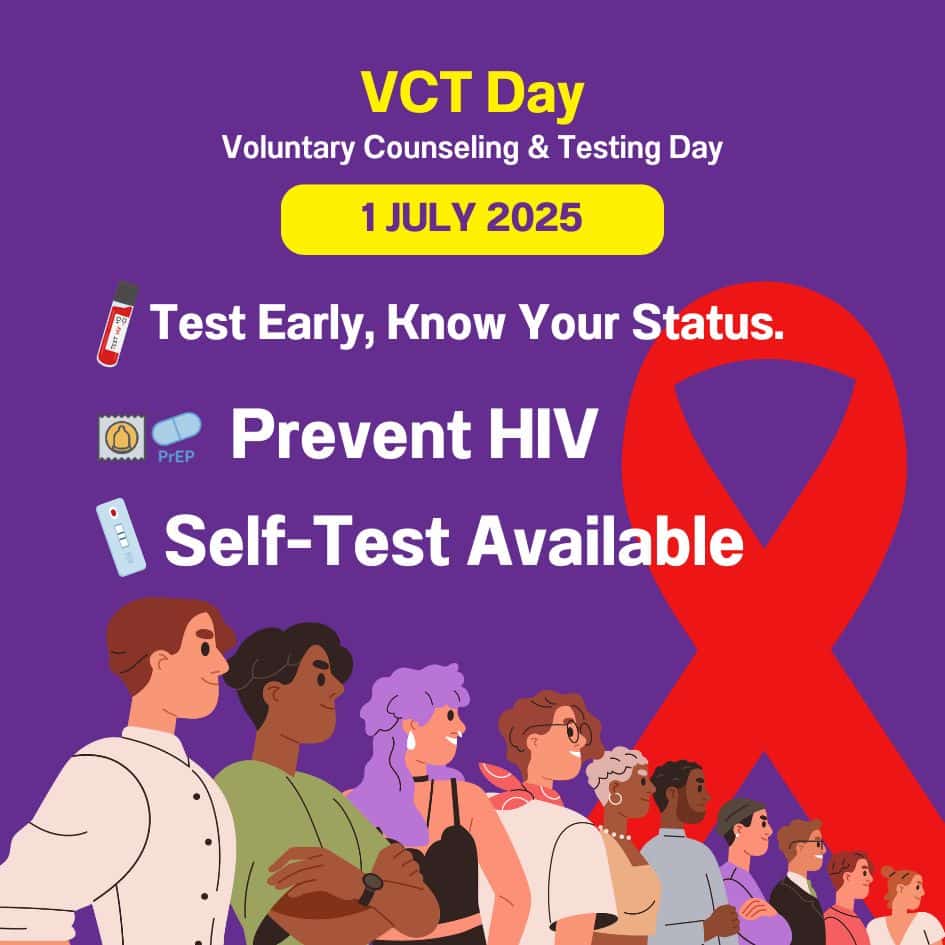
Why Does This Year’s VCT Day Emphasize HIV Self-Testing?
One of the key focuses of VCT Day 2025 is encouraging people to take charge of their health by testing themselves for HIV — a method known as HIV Self-Testing. This approach is gaining momentum worldwide and has been actively promoted in Thailand over the past few years. Why HIV Self-Testing Matters:| Main Reason | Details |
|---|---|
| Easily accessible, convenient, and private | HIV self-test kits can be purchased at pharmacies or ordered online. You can take the test in the privacy of your own home, without having to visit a clinic. |
| Reduces fear and embarrassment | Self-testing eliminates the need to speak with healthcare staff or disclose personal behavior, helping those who feel hesitant feel more confident about getting tested. |
| Fits the lifestyle of the younger generation | Younger people prefer fast, private, and self-directed health solutions. HIV self-testing matches today’s digital, on-demand way of life. |
| Helps identify undiagnosed cases sooner | It increases the number of people who know their status especially those who have never been tested and connects them to care more quickly. |
| Strengthens the overall health system | By allowing widespread initial screening, self-testing reduces the burden on clinics and helps public health services reach at-risk populations more efficiently. |
VCT Day = Ending Stigma
The biggest barriers to HIV testing in Thailand is the fear of being stigmatized — the fear of being judged or seen in a negative light after revealing one’s HIV status. This fear prevents many people from getting tested, causing them to miss out on timely diagnosis and access to essential treatment. Stigma Makes People Afraid to Get Tested Many individuals believe that testing positive — or even just getting tested — will lead others to assume they are “bad” or have “risky” behavior. This mindset causes anxiety and often drives those at risk to avoid testing altogether. The result: missed opportunities for early treatment, allowing the virus to progress and potentially cause serious health complications. Building an Open, Understanding Society Ending HIV stigma means creating a supportive environment where everyone feels safe to get tested without judgment. It means helping people understand that HIV is not a moral failure or something to be ashamed of — it’s a manageable health condition that can affect anyone.VCT Day is more than just a day to get tested — it’s a movement to end stigma. When society stops labeling and starts listening, more people will have the courage to learn their status and seek care. This benefits not only individuals, but the health system and public health as a whole.
Everyone Has a Role in Ending Stigma Fighting stigma isn’t just the job of those living with HIV — it’s a responsibility we all share. Whether you’re a friend, family member, healthcare provider, teacher, or policy maker, you can support HIV testing by spreading accurate information and showing empathy and acceptance. When we end stigma, HIV testing becomes normal, not taboo. And when that happens, access to care becomes a right, not a privilege. A Step Toward Understanding and Empowerment Ending stigma doesn’t just make testing easier — it promotes dignity, equality, and the right to health for everyone. It’s a critical step toward building a society where people feel empowered to take care of themselves — without fear, shame, or silence."On July 1st of every year — Voluntary Counseling and Testing Day (VCT Day) — everyone can take part. Whether it’s by sharing accurate information, encouraging friends to get tested, supporting HIV-focused organizations, or simply starting with the courage to self-test, your role matters. Health isn’t just a personal issue — it’s a shared responsibility. The sooner we know our status, the sooner we can protect ourselves and others. No one should have to face HIV alone ever again."
Can teenagers under 18 get an HIV test?
If I use a self-test kit and get a result, do I need to bring it to a hospital?
Should I get tested for other STIs when getting an HIV test?
Do I still need to get tested if I don’t think I’m at risk?
Will my HIV test result remain confidential?
- Unlocking Free HIV Services in Thailand: Testing, PrEP, Treatment
- HIV Screening – The Right Time and What You Need to Know
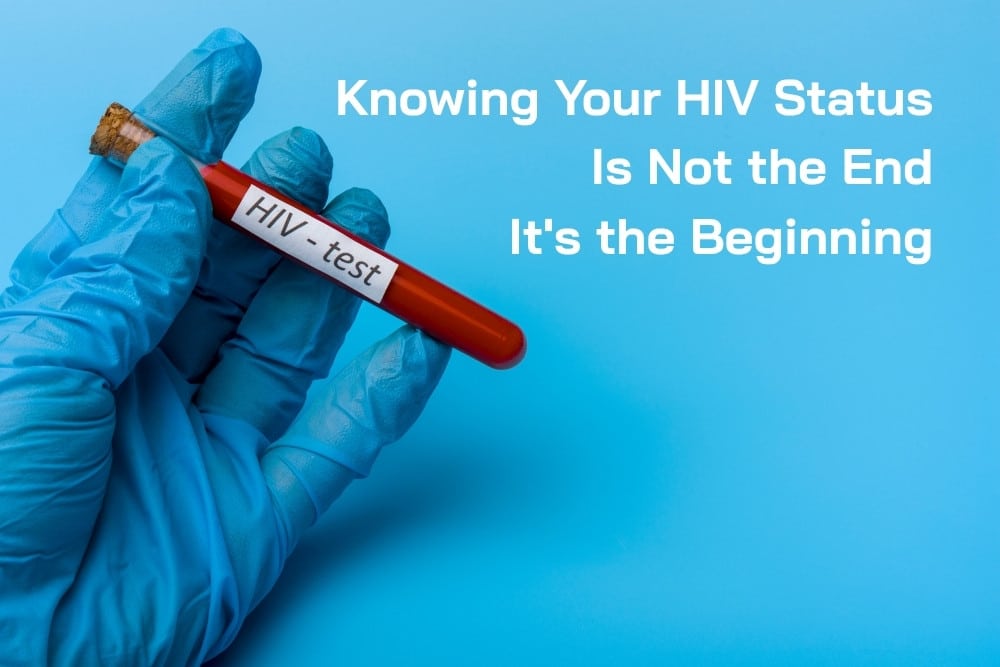 Knowing Your HIV Status Is Not the End — It's the Beginning
July 1st is more than just another day on the calendar. It is a powerful reminder for all of us to reflect on our own health — and the health of those around us — through one simple but life-changing act: knowing your HIV status.
Today, HIV is no longer a death sentence. It is a manageable health condition. With early detection, we can access treatment in time, protect ourselves and others, and live full, healthy lives. Whether it’s through PrEP, practicing safer sex, or staying on consistent treatment, knowing your status leads to action, and action leads to protection.
But testing alone isn’t enough. Changing the way society thinks about HIV is just as important. Ending stigma, encouraging open conversations, and creating safe spaces are what empower people to get tested, seek care, and live confidently — even with the virus.
On this year’s VCT Day, let us remember that HIV testing isn’t just for high-risk groups — it is a basic human right. It should be easy, accessible, and normalized for everyone. Because health is our greatest asset. And knowing your status is the first step toward protecting your heart, your life, and your future.
Reference:
The Concept Behind the HIV Testing Campaign, July 1, 2025
HIV Testing Campaign Under the 'Know Your Status' Concept
Knowing Your HIV Status Is Not the End — It's the Beginning
July 1st is more than just another day on the calendar. It is a powerful reminder for all of us to reflect on our own health — and the health of those around us — through one simple but life-changing act: knowing your HIV status.
Today, HIV is no longer a death sentence. It is a manageable health condition. With early detection, we can access treatment in time, protect ourselves and others, and live full, healthy lives. Whether it’s through PrEP, practicing safer sex, or staying on consistent treatment, knowing your status leads to action, and action leads to protection.
But testing alone isn’t enough. Changing the way society thinks about HIV is just as important. Ending stigma, encouraging open conversations, and creating safe spaces are what empower people to get tested, seek care, and live confidently — even with the virus.
On this year’s VCT Day, let us remember that HIV testing isn’t just for high-risk groups — it is a basic human right. It should be easy, accessible, and normalized for everyone. Because health is our greatest asset. And knowing your status is the first step toward protecting your heart, your life, and your future.
Reference:
The Concept Behind the HIV Testing Campaign, July 1, 2025
HIV Testing Campaign Under the 'Know Your Status' Concept
- https://odpc9.ddc.moph.go.th/PR/pr-1.htm
- https://www.tnnthailand.com/health/149641
Verified references
Links and relevance to the article’s main topic were reviewed on 13 August 2026. Each source supports only the scope stated in the original document and does not replace personalised medical, legal, or service advice.
- CDC: Getting Tested for HIV Accessed 13 August 2026
- กรมควบคุมโรค: แนวทางตรวจ HIV/ซิฟิลิส/HBV/HCV พ.ศ. 2568 Accessed 13 August 2026
- WHO: HIV and AIDS fact sheet Accessed 13 August 2026