HIV Screening: The Right Time and What You Need to Know
Long-held beliefs and misconceptions that have been passed down are a major reason why many people are afraid to get tested for HIV in order to strengthen…
อ่านภาษาไทย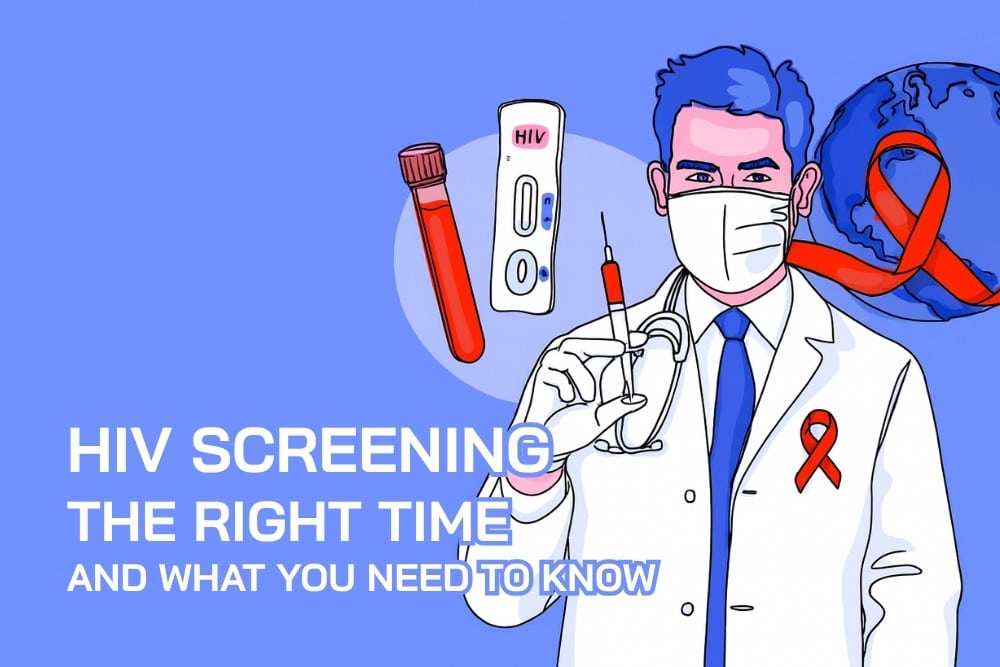
Contents
List of Contents
- Why Everyone Should Get an HIV Screening
- When Is the Right Time for an HIV Screening?
- How Long Does It Take to Get HIV Test Results?
- Types of HIV Tests and Time to Receive Results
- Living After an HIV Test
- Where Can You Get Free HIV Testing?
- FAQ
Why Everyone Should Get an HIV Screening
HIV screening isn’t just for those who engage in high-risk behaviors—it’s something everyone should consider as a part of routine health care. HIV can affect anyone, regardless of gender, age, or background. Many people don’t realize they’ve been at risk or may not show any symptoms at all. Regular HIV screening is a crucial tool for understanding your health and taking proactive steps early on. HIV is a virus that targets the immune system. Without timely diagnosis and treatment, it can progress to serious stages, leading to opportunistic infections or even AIDS. However, if detected early and treated consistently with antiretroviral therapy (ART), the virus can be suppressed to undetectable levels. This means not only can a person with HIV live a long, healthy life, but they can also prevent transmission to others—almost entirely—through the U=U principle (Undetectable = Untransmittable). Another important reason to get screened is to help reduce stigma and discrimination. When more people understand that living with HIV is manageable and not something to be ashamed of, society becomes more informed, empathetic, and inclusive. Promoting HIV testing contributes to building a culture of openness, equality, and respect. Ultimately, getting tested is an act of responsibility—both to yourself and to those you care about. Knowing your HIV status allows you to make safe, informed decisions about your sexual health, whether it involves using condoms, starting PrEP, or having honest conversations with your partner."That’s why you shouldn’t wait for symptoms or worry before getting tested. Make HIV screening a regular part of your health routine—at least once a year. It’s a simple way to stay informed, reduce your risk, and be part of the solution to ending the spread of HIV in our communities."
When Is the Right Time for an HIV Screening?
One of the most frequently asked questions from individuals beginning to take their sexual health seriously is “When should I get tested for HIV?” The answer is that timing matters. Choosing the right time for HIV screening is crucial, as it directly affects the accuracy of the results and helps guide appropriate prevention or treatment. After a potential exposure—such as sex without a condom, sharing needles, or contact with bodily fluids from someone whose HIV status is unknown—you should get tested as soon as possible. However, it’s important to understand the "Window Period": the time it takes for the body to develop detectable antibodies or antigens after infection. Testing too early may not yield accurate results. General Testing Timeline Guidelines- Initial Screening: If using a 4th generation HIV test (which detects both antigen and antibodies), testing is recommended 2–4 weeks after exposure. These tests can detect infection earlier than older methods.
- Follow-Up Testing: If your initial test is negative but you’re still concerned, a follow-up test at 6 and 12 weeks is advised for more accuracy—especially if you used an older-generation antibody-only test.
- Routine Testing: For individuals with ongoing risk—such as having multiple partners or being part of the MSM (men who have sex with men) community—screening once or twice a year is recommended, or even every 3–6 months if the risk is high.
- Before starting a new relationship
- Before and after sex without a condom
- Before planning to have children
- Before and during the use of PrEP or PEP
- When experiencing symptoms such as unexplained fever, weight loss, persistent mouth sores, or skin rashes
How Long Does It Take to Get HIV Test Results?
A common question before getting an HIV test is: “How long will it take to get the results?” The answer depends on the type of test used and the procedures of the healthcare facility providing the service. For most standard rapid HIV tests, which are widely used in clinics, results are available within 30 minutes to 1 hour. These tests offer quick and fairly accurate results, making them ideal for initial screening. However, if you choose more advanced testing methods—such as lab-based blood tests or 4th generation tests (which detect both p24 antigen and antibodies and can identify infection earlier during the window period)—the wait time may range from 1 to 7 days, depending on the lab’s processing time and the facility’s system. It’s also important to understand the concept of the window period—the time after potential exposure during which the virus may not yet be detectable. Testing too early may result in a false-negative outcome, so follow-up testing at the recommended intervals may be necessary for a definitive result. Always consult a healthcare provider to determine the most appropriate testing method and timing based on your risk and situation.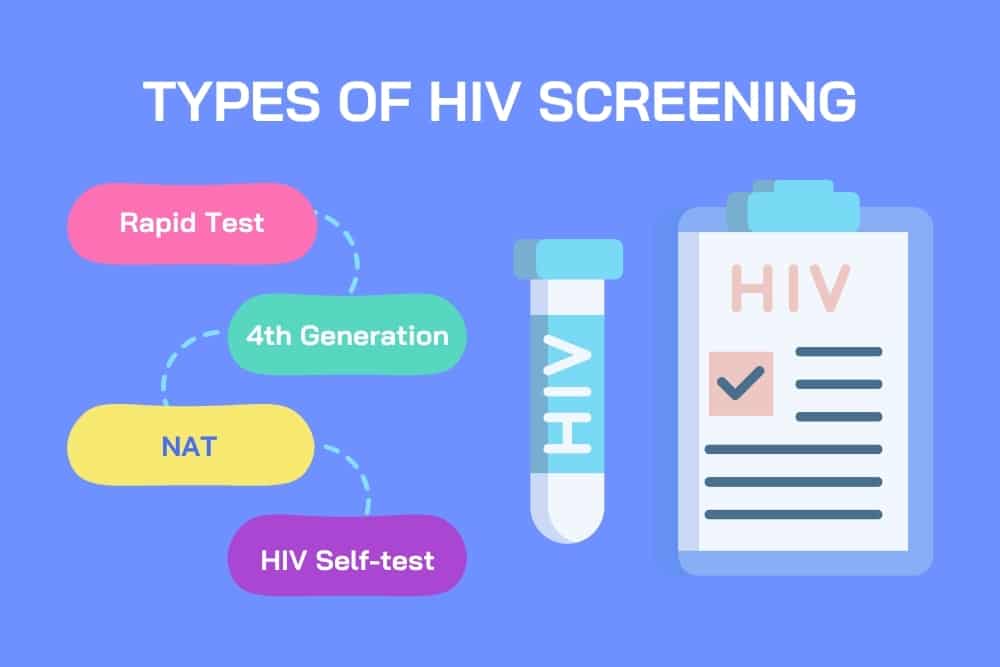
Types of HIV Tests and Time to Receive Results
| Test Type | Description | Detectable After Exposure | Time to Get Results |
|---|---|---|---|
| Rapid Test (Antibody) | Detects antibodies the body produces | 3–4 weeks or more | 30 minutes – 1 hour |
| Fourth Generation Test | Detects both p24 antigen and antibodies | From 2 weeks onward | About 1 day |
| NAT (Nucleic Acid Test) | Detects the virus’s genetic material directly | From 10 days onward | 3–7 days |
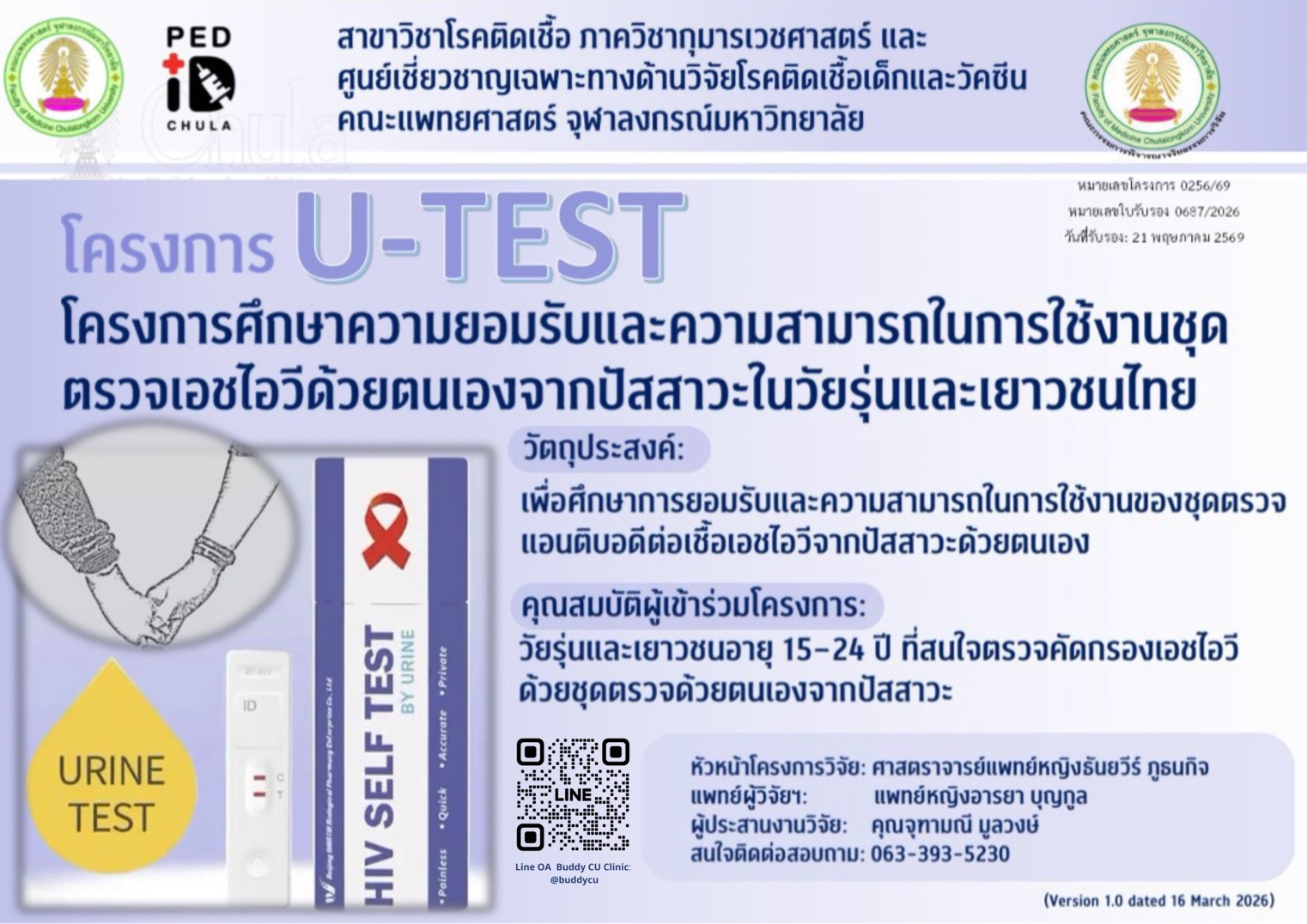
| HIV Self-Test (At Home) | Rapid test for antibodies done at home | 3–4 weeks or more | 1–15 minutes |
Living After an HIV Test: Whether the Result Is Negative or Positive
An HIV test isn’t just a medical step—it’s the beginning of a more informed and empowered approach to health and life planning. Many people hesitate to get tested out of fear, but the truth is:"Regardless of whether your result is negative or positive, you can still live a full, healthy life—especially if you know your status early and take the right steps for care."Getting tested means you're taking responsibility—not just for yourself, but also for your loved ones and community. It’s a powerful act of self-care and awareness that leads to prevention, proper treatment, and long-term well-being.
HIV Test Result: Negative (No Infection Detected)
A negative result means you have not contracted HIV—great news. But it doesn’t mean you should let your guard down. If you continue to engage in risk behaviors such as sex without a condom, sharing needles, or having multiple partners, the risk remains. Here’s what you should do after receiving a negative result:- Continue routine testing, especially if you're at ongoing risk—every 3 to 6 months is recommended for high-risk groups.
- Consider PrEP (Pre-Exposure Prophylaxis): a daily medication that helps prevent HIV for those who are HIV-negative but at high risk.
- Use condoms consistently to protect against HIV and other STIs.
- Communicate openly with your partner about HIV status and sexual health.
- Knowing your result is negative is not the end—it’s the beginning of a long-term prevention plan to stay protected and healthy.
HIV Test Result: Positive (Infection Detected)
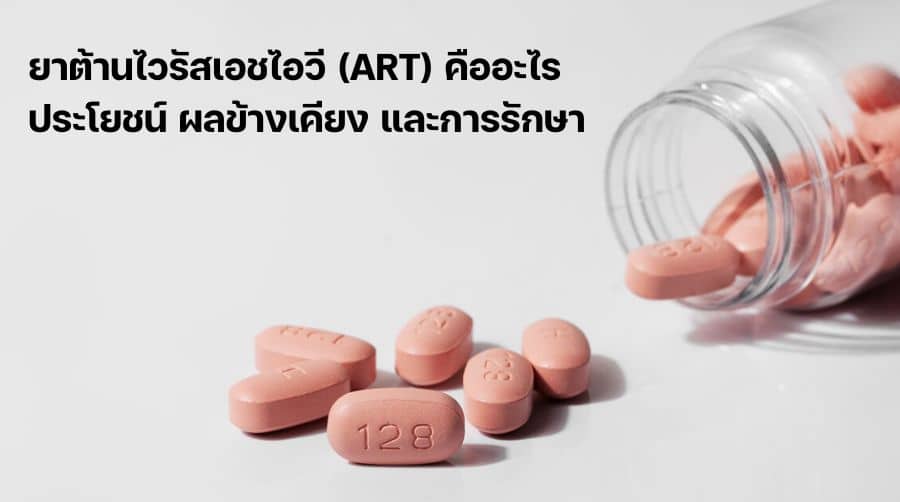
A positive result can be difficult to hear, but it is not the end of the road. Thanks to advances in modern medicine, people living with HIV can now lead long, healthy, and fulfilling lives. Here's what to do if your result is positive:- Start treatment immediately. The sooner you begin antiretroviral therapy (ART), the better your body can recover and control the virus.
- Take ART consistently. Over time, this can suppress the virus to undetectable levels (Undetectable = Untransmittable or U=U).
- Understand U=U: When your viral load is undetectable, you cannot transmit HIV to others through sex.
- Care for your mental health. Talking to a doctor or counselor can help you manage the emotional impact and move forward with confidence.
Where Can You Get Free HIV Screening?
All Thai citizens are entitled to two free HIV tests per year under the National Health Security Office (NHSO) scheme. Simply present your Thai ID card at any participating healthcare facility, including:- Public hospitals and Subdistrict Health Promotion Hospitals (SHPH) nationwide
- Anonymous clinics and sexual health specialty clinics
- Community clinics and non-profit organizations
Do I need an HIV test if I don’t engage in risky behavior?
Will an HIV test affect my health insurance record?
Do I have to give my name or personal information when getting tested?
If my HIV result is negative, does that mean I’m definitely not infected?
Do I need to make an appointment for an HIV test?
- Unlocking Free HIV Services in Thailand: Testing, PrEP, Treatment
- How many types of HIV test results are there?
- HIV test with Gen 4 solution, get results faster, no worries about Window Period
Reference: HIV Testing: Methods to Prevent AIDS Risk"Early detection, timely treatment, and informed prevention are the first steps toward better sexual health and a more inclusive society for everyone."
- https://samitivejchinatown.com/th/article/sexual-health/hiv-check-up
- https://www.youtube.com/watch?v=YboJMEK1ID0
Verified references
Links and relevance to the article’s main topic were reviewed on 13 August 2026. Each source supports only the scope stated in the original document and does not replace personalised medical, legal, or service advice.
- CDC: Getting Tested for HIV Accessed 13 August 2026
- กรมควบคุมโรค: แนวทางตรวจ HIV/ซิฟิลิส/HBV/HCV พ.ศ. 2568 Accessed 13 August 2026
- WHO: HIV and AIDS fact sheet Accessed 13 August 2026