People Living with HIV Facing Stigma: The Emotional Impact and the Path to Acceptance
HIV is a virus that attacks the immune system. Without treatment, it can progress to AIDS, the most advanced stage of HIV infection.
อ่านภาษาไทย
Contents
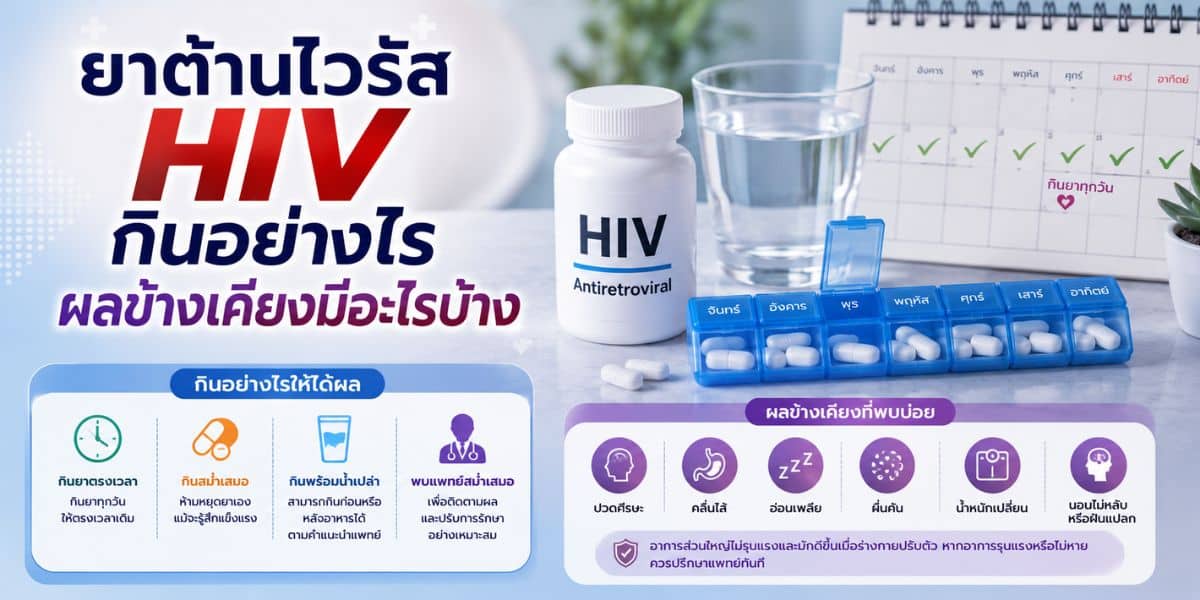
HIV is a virus that attacks the immune system. Without treatment, it can progress to AIDS, the most advanced stage of HIV infection. Effective treatment helps people living with HIV stay healthy and prevents sexual transmission when viral suppression is maintained.
Stigma Against People Living with HIV
"Stigma" is a social phenomenon involving negative attitudes, beliefs, and behaviors directed at a person or group of people because of certain traits or characteristics — such as their health condition, race, gender, sexual orientation, or religion. HIV stigma refers to the prejudice and discrimination that people living with HIV must face. In this article, we explain how stigma affects people living with HIV, along with its causes and ways to address it, in order to build a more supportive and inclusive society.
Causes of Stigma Against People Living with HIV
Misconceptions and Stereotypes
Stigma against people living with HIV often has its roots in misconceptions and stereotypes about HIV and the people who live with it. Some common misconceptions include:
- The belief that HIV is a death sentence once you are infected
- The belief that HIV is easily transmitted, even through non-sexual contact
- The belief that only certain groups of people can get HIV
These stereotyped beliefs cause people to feel afraid, to remain ignorant of the facts, and to hold prejudices against people living with HIV, which ultimately leads to stigma and discrimination.
Fear and Ignorance
Fear and ignorance also contribute to HIV stigma. Many people are afraid of HIV because they do not understand how it is transmitted, how to prevent it, or how it is treated. This fear can lead people to avoid meeting or talking with those living with HIV, to refuse to help them, and to exclude them — creating an unwelcoming and uncomfortable environment. This, in turn, can lead to mental health problems for people living with HIV, because they feel alienated from society.
Discrimination and Inequality
Discrimination and inequality are factors that drive stigma against people living with HIV, who may be discriminated against in schools, workplaces, housing, and healthcare, as well as denied their rights and freedoms, excluded, and rejected. This discrimination is often based on the belief that people living with HIV are responsible for their HIV status — that they have done something immoral, that they do not deserve help, or that they are a threat to the health and safety of others. These attitudes and behaviors are not only unfair and discriminatory; they also contribute to social exclusion and to the revulsion directed at people living with HIV.
Cultural and Religious Beliefs
Cultural and religious beliefs also affect HIV stigma. Some religions view HIV as a punishment for immoral behavior or as a curse that brings shame upon the family. These beliefs can lead to stigma and discrimination against people living with HIV and their families. In addition, some cultural traditions — such as traditional healing practices — can allow HIV to keep spreading and can discourage people from seeking medical care and treatment.
The Effects of Stigma on People Living with HIV
Psychological and Emotional Impact
Stigma has a profound psychological and emotional impact on people living with HIV. It leads to shame, guilt, and feelings of inferiority, as well as depression, anxiety, and other mental health problems. These negative emotions affect a person's ability to cope with illnesses that may arise, undermine their confidence in the treatment process, and can cause them to give up on maintaining their overall health and well-being.
Social Isolation
Stigma against people living with HIV can also lead to withdrawal and social distance. People living with HIV may face exclusion from family, friends, and society, leaving them feeling lonely and alone. They may also face barriers to reaching social support, such as support groups or counseling services that could help them cope with the challenges of living with HIV. Such social isolation can deepen the negative psychological and emotional effects of stigma and lead to feelings of hopelessness, despair, and a loss of the will to carry on with life.
Discrimination and the Denial of Rights
Discrimination can occur in a range of settings, such as schools, workplaces, and housing — through unequal treatment, denial of services, and other forms of abuse. The denial of rights such as the right to privacy, freedom of movement, and access to justice further compounds the negative effects of HIV stigma, making it hard for people living with HIV to lead happy lives and stay healthy.
Negative Health Outcomes
Stigma also harms the health of people living with HIV, because it can be a barrier to accessing medical care — including health check-ups and care from staff — which leads to delayed diagnosis, poorer treatment outcomes, and a higher death rate from the disease. Stigma can also discourage people living with HIV from disclosing their HIV status to a sexual partner or loved one, which can lead to transmission between them and to other sexually transmitted infections.
Stigma Against People Living with HIV and Transgender People
Stigma in society is also bound up with other forms of prejudice, such as racism, sexism, homophobia, and transphobia, which can add to the harm experienced by LGBTQ+ people living with HIV. It means many forms of oppression and discrimination that run counter to human dignity — affecting, for example, people living with HIV who belong to ethnic or minority groups, and people living with HIV in schools or workplaces.
Gender Inequality
Gender plays a role in HIV stigma. Because of gender inequality, women and children living with HIV may face additional challenges and disparities, such as a lack of education and healthcare, economic dependence, and gender-based violence. In addition, gender norms and stereotypes can lead to stigma against men who have sex with men, transgender people, and other gender-nonconforming individuals, resulting in discrimination and social exclusion.
Racial or Ethnic Stigma
Race and ethnicity can also give rise to HIV stigma. Because of social and economic factors such as poverty, a lack of healthcare, and discrimination, people from ethnic and minority groups may face higher rates of HIV infection. Yet they may also face stigma and discrimination from their own communities and from society at large. Stigma based on race and ethnicity can push people living with HIV even further to the margins of these groups.
How to Reduce Stigma Against People Living with HIV
Tackling stigma against people living with HIV requires a multi-pronged approach — education, raising awareness, and policy change. Strategies for reducing the stigma described above include:
Education and Awareness
Campaigns that educate and raise awareness help dispel prejudiced ideas and misconceptions about HIV, and foster understanding and empathy toward people living with HIV. Such efforts can also help address the exclusion of transgender people.
Policy Change
This helps reduce the impact of stigma on people living with HIV. It includes policies that prohibit discrimination based on HIV status and protect the rights of people living with HIV, as well as policies that improve access to healthcare, education, and employment.
Advocacy and Community Mobilization
This helps build the capacity of people living with HIV so that they can challenge stigma and discrimination and claim their rights. It includes support, the formation of peer groups and support networks, and campaigning and action at the local, national, and international levels.
Addressing Structural Inequality
Addressing the structural inequalities that give rise to stigma is important too. This includes tackling poverty, inequality, and discrimination based on race, gender, sexual orientation, and other forms of identity.
Read other related articles
- Forgot to take your HIV medication? How to keep the virus from becoming drug-resistant
- Afraid to get tested for HIV? Understanding the reasons, and how to prepare yourself emotionally
Stigma against people living with HIV is a complex, many-sided problem that does serious harm to their well-being. It creates barriers to healthcare, social support, and other resources, and it gives rise to psychological and emotional problems, social alienation, and discrimination. Solving it requires a multi-pronged approach: education, raising awareness, policy change, advocacy, and community mobilization. By working together to change stigma and discrimination, we can build a society that is more inclusive and supportive of everyone living with HIV in the near future.
Verified references
Links and relevance to the article’s main topic were reviewed on 13 August 2026. Each source supports only the scope stated in the original document and does not replace personalised medical, legal, or service advice.
- WHO: HIV and AIDS fact sheet Accessed 13 August 2026