Hepatitis B: Causes, Symptoms, Testing, and Prevention
Hepatitis B spreads through specific blood and body-fluid exposures. Understand testing, vaccine protection, liver follow-up and safe treatment decisions.
อ่านภาษาไทย
Contents
Do normal liver enzymes or no jaundice rule out hepatitis B?
No. HBV can be present without symptoms and with normal liver enzymes. Tests for infection, immunity, viral activity and liver health answer different questions. Ask a provider to interpret the actual panel and history.
Can I eat with someone who has HBV, and what about a bleeding bite?
Ordinary shared meals and casual contact are not usual transmission routes. A bite that breaks skin or an exposure involving blood is different and should be assessed promptly with vaccination history. Do not use a blanket statement about saliva for every event.
Does a low HBV DNA result mean I can stop treatment or liver checks?
No. Stopping antiviral medicine can cause a flare, and liver-cancer monitoring may still be needed. Decisions depend on the clinical picture, including any HIV treatment or immune-suppressing medicines. Agree on changes with the treating team.
Sources for these answers
Hepatitis B virus (HBV) can cause acute or chronic infection, sometimes without symptoms. Vaccination prevents infection, while people with existing HBV need appropriate testing and liver assessment. Undated prevalence estimates should not be used to diagnose a person or predict their outcome.
List of Contents
- Causes of Hepatitis B Virus
- Symptoms of Hepatitis B
- Treatment for HBV Infection
- Prevention of HBV Infection
- FAQ About HBV Treatment
Causes of HBV Infection - Understanding the Source to Prevent Effectively
Important routes include exposure to infected blood, shared injection equipment, sexual contact and transmission around childbirth. Sharing meals, hugging and working together are not usual routes. Blood reaching a wound or a bite that breaks skin needs prompt assessment; do not assume all saliva exposures are equivalent.
Symptoms of HBV Infection - Warning Signs You Shouldn’t Ignore
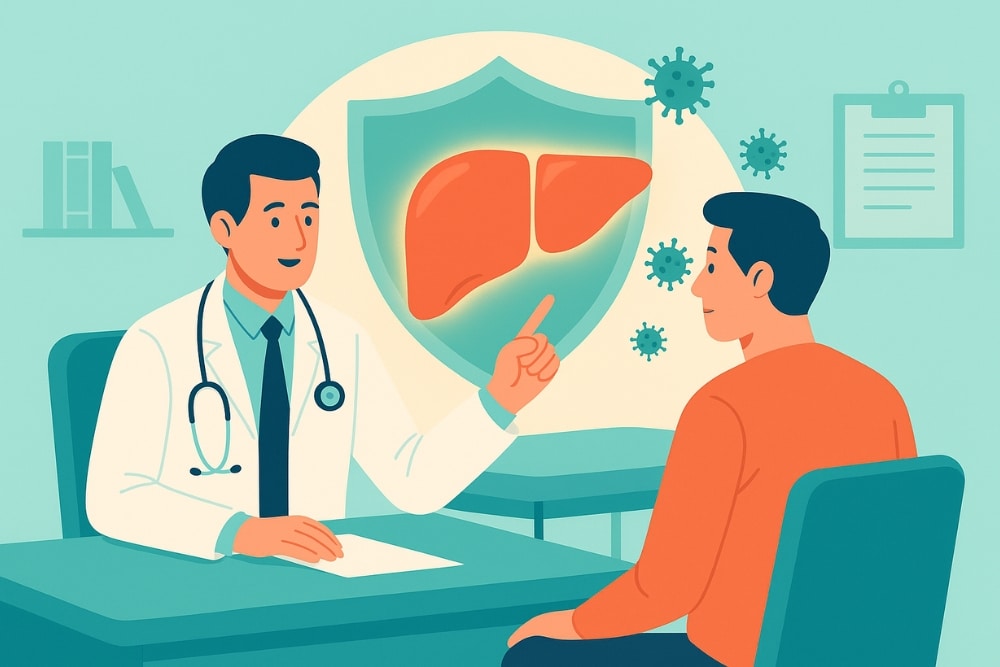
Many people have no symptoms. Fatigue, nausea, dark urine or jaundice have several possible causes and cannot establish HBV on their own. Ask about infection markers and liver assessment. Seek urgent care for confusion, severe illness or vomiting blood rather than waiting for routine follow-up.
Treatment for HBV Infection
Treatment depends on viral activity, inflammation, fibrosis, other conditions and medicines. Not everyone needs the same medicine, and a suppressed viral load is not a self-directed stopping point. Do not use generic injection schedules or drug comparisons to prescribe. Discuss flare prevention before changing HBV-active PrEP, ART or immune-suppressing treatment.

Prevention of HBV Infection
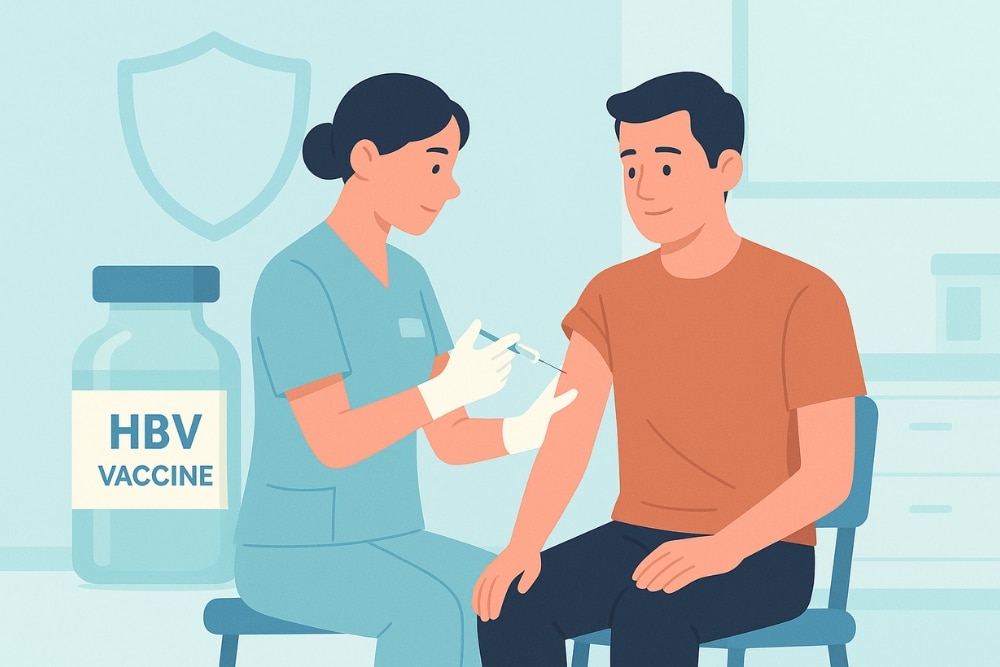
Review vaccination and any need for post-exposure care with a provider. Vaccine product, age and immune status affect the schedule. Do not share needles or items that may carry blood. Vaccination does not treat established HBV, and hepatitis B vaccines do not protect against hepatitis C.
Verified references
Links and relevance to the article’s main topic were reviewed on 13 August 2026. Each source supports only the scope stated in the original document and does not replace personalised medical, legal, or service advice.
- WHO: Hepatitis B fact sheet Accessed 13 August 2026