Youth-Use: A Youth Space for Learning About Rights and HIV Prevention
HIV remains a pressing issue that requires continuous attention, especially among young people, a group full of energy, dreams, and curiosity.
อ่านภาษาไทย
Contents
HIV remains a pressing issue that requires continuous attention, especially among young people, a group full of energy, dreams, and curiosity. Data from many countries, including Thailand, clearly show that new HIV infections continue to occur among adolescents and young people. For this reason, the Youth-Use Activity was created as a space not only to provide knowledge about HIV prevention but also to offer a platform for young people to learn about rights, equality, and respect for sexual diversity. This article introduces the Youth-Use Activity—its background, objectives, methods of implementation, and the outcomes it aims to achieve for both youth and Thai society.
Test for HIV, know your status, and plan early
* Prices and free services vary by provider. Please check the details before booking.
Find HIV testing

Creative Tools for Teaching Youth
A highlight of the Youth-Use Activity is its use of creative, engaging, and enjoyable methods that make learning about HIV prevention accessible:
Is it time for an HIV test?
* Prices and free services vary by provider. Please check the details before booking.
View testing services
 Related Articles
List of Contents
- The Background of Activity
- The Main Goals of the Activity
- Why Should Youth Learn About HIV?
- Youth-Use Activity and Rights Education
- Diversity and Inclusion in Youth-Use
The Background of Youth-Use Activity
What purpose does it serve?
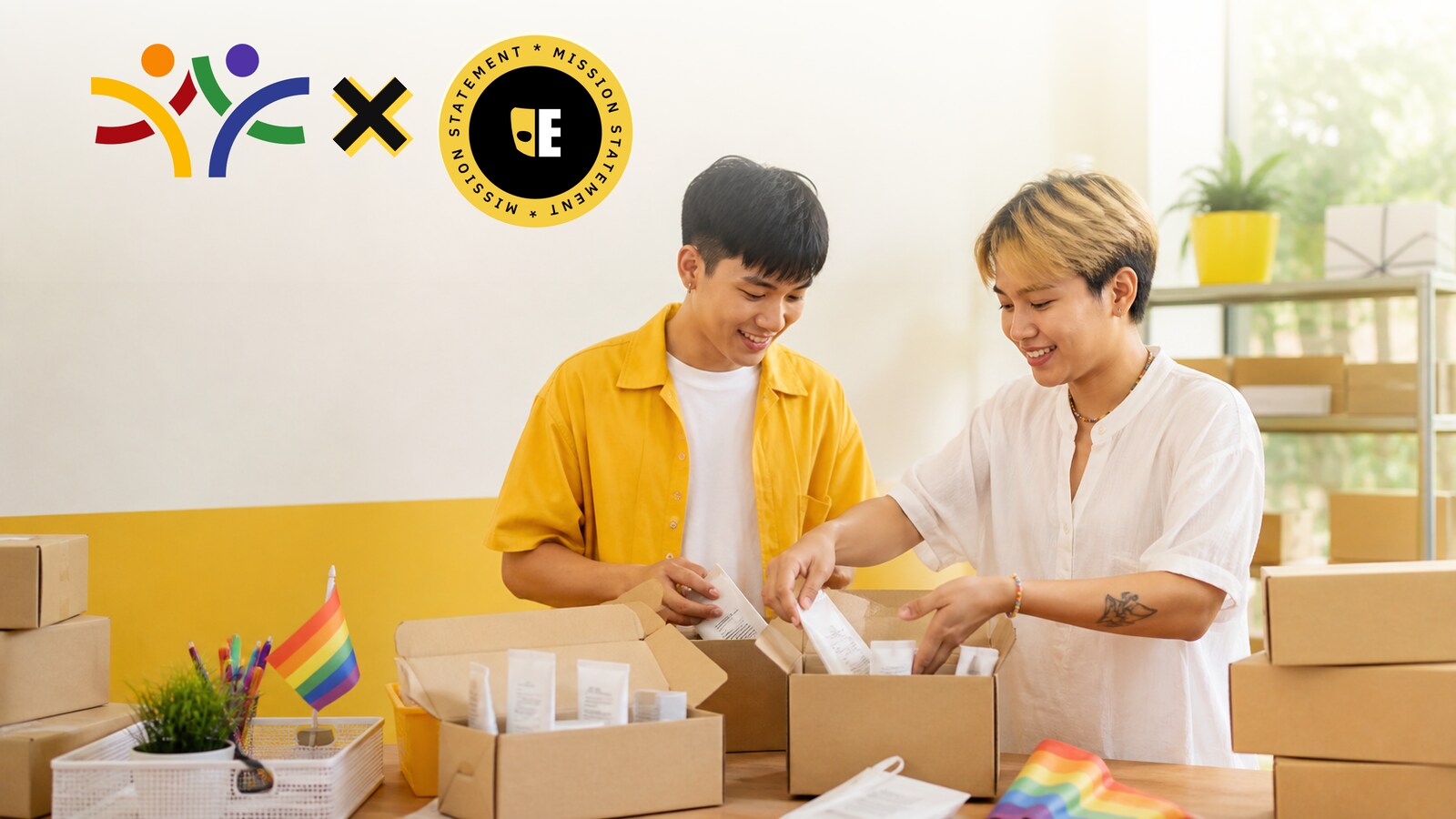
The Youth-Use Activity was initiated to create a safe space for youth to learn about sexuality, health, and rights without stigma or discrimination. In Thai society, discussions about sex or sexual health are often taboo within families and schools. As a result, many young people lack accurate knowledge, which affects their ability to prevent HIV and other sexually transmitted infections (STIs).How is the Youth-Use Activity Organized?
Organized by Networks and Partner Organizations The activity is not the work of a single organization but a collaboration between multiple sectors: health organizations, human rights groups, youth networks, and relevant government agencies. This network-based approach is intended to give the activity strength and a wider reach, particularly by engaging young people not only as recipients of knowledge but as owners of the activity themselves. Venues and Spaces The activity is designed to be flexible. It can take place in communities, schools, universities, or youth festivals in major cities. Choosing the right venue is not just about convenience; it also represents the creation of a safe space—built on agreed ground rules, confidentiality, and a clear way to report concerns—where young people feel free to talk, express themselves, and learn about rights and HIV prevention without judgment.The Main Goals of the Youth-Use Activity
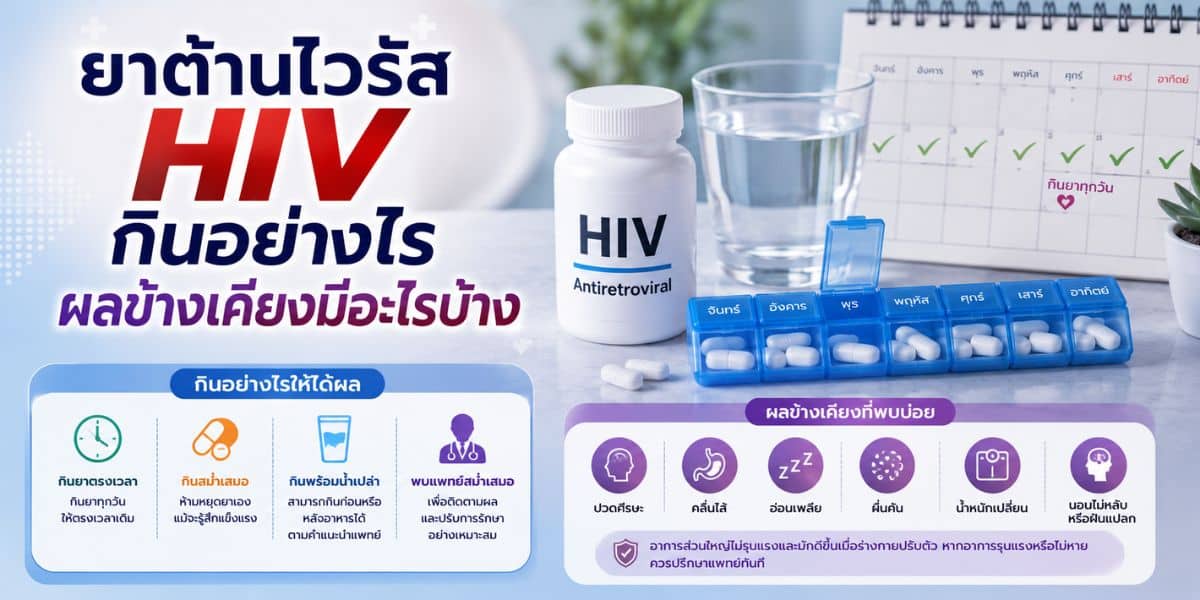
1. Building Knowledge and Skills in HIV Prevention One of the primary goals is to equip young people with the knowledge and skills necessary to prevent HIV infection. This includes understanding how HIV is transmitted, using condoms correctly, accessing HIV testing, and learning about prevention tools such as PrEP and PEP. It also emphasizes knowing where to find safe and friendly health services. These skills not only protect themselves but also empower them to share accurate information with peers and their communities. 2. Promoting Understanding of Rights and Equality The activity goes beyond health—it also helps young people recognize their fundamental rights, including the right to access information, equitable health services, and safe expression of their gender identity. This awareness encourages them to defend their own rights and become voices for equality in society. 3. Reducing Stigma and Discrimination Against People Living with HIV For decades, people living with HIV have faced stigma and discrimination, often leading to isolation and missed opportunities. The Youth-Use Activity works to instill correct understanding among youth, fostering open-mindedness and reducing judgment. Cultivating this mindset among young people is a critical step toward building a society that accepts and treats everyone equally. 4. Building Strong Youth Networks on Health and Human Rights Finally, the activity aims to build youth networks that not only gain knowledge but also take real action. Through advocacy, organizing events in schools, communities, or online, these networks become a continuous driving force. They ensure that issues of HIV, health, and human rights remain visible and addressed in society.
HIV Prevention for Youth
Why Should Youth Learn About HIV?
Young people are at a stage of life marked by physical and emotional changes. Many begin to have sexual relationships without accurate knowledge about STI prevention, particularly HIV. Without proper information, they may engage in risky behaviors such as having sex without condoms, multiple sexual partners, or lack of awareness about PrEP and PEP."The Youth-Use Activity plays an essential role in filling this gap—helping young people understand that HIV is not a distant issue, and prevention is entirely possible with the right knowledge and skills."
HIV Prevention Methods Taught in Youth-Use
| Prevention Method | Details | Benefits for Youth |
|---|---|---|
| Correct Condom Use | Teaches how to choose the right size, put on and remove properly, and avoid misuse | Maximizes protection against HIV and other STIs |
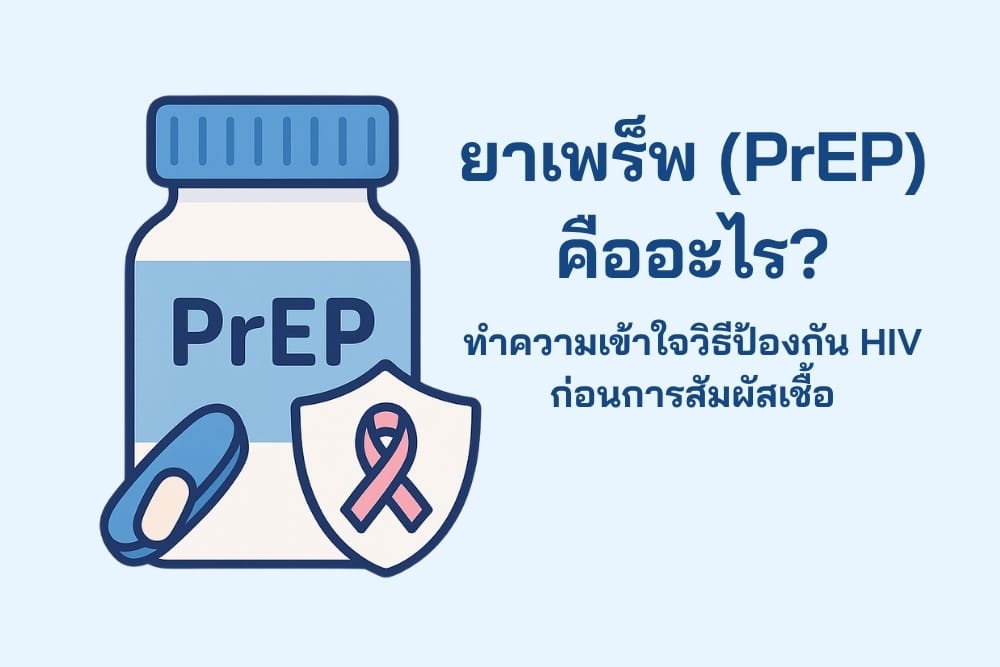
| PrEP (Pre-Exposure Prophylaxis) | Provides knowledge on continuous use and how to access services | Reduces the risk of acquiring HIV through sex by about 99% when taken as prescribed; PrEP does not prevent other STIs |
| PEP (Post-Exposure Prophylaxis) | Explains how to access PEP within 72 hours of exposure | Reduces chance of infection if taken on time and as prescribed |
| Regular HIV Testing | Promotes testing as normal healthcare, not something to fear | Helps youth know their status early and access timely treatment |
- Games and group activities → Role-play scenarios and HIV quizzes encourage participation.
- Practical workshops → Hands-on demonstrations, such as practicing condom use with models.
- Theater and role-play → Stories from real-life experiences of people living with HIV or those at risk help youth understand deeply.
- Open discussions → Safe spaces for youth to ask questions directly, with friendly, non-judgmental mentors.
Youth-Use Activity and Rights Education
What Are Youth Rights? Youth rights include basic entitlements such as access to education, healthcare, protection, and participation in society. The Youth-Use Activity emphasizes that learning about sex and health is part of these rights, not a taboo subject.- Linking Rights and Sexual Health
- Sexual health rights go beyond access to treatment; they include access to accurate information. The activity reinforces the idea that knowing how to prevent HIV is part of the health rights youth deserve.
- The Role of Society in Supporting Rights
- If stigma and exclusion persist, youth learning cannot be fully realized. That’s why the activity involves communities, schools, and organizations to ensure rights are upheld in practice.
- Youth as Agents of Change
- In this activity, youth are not just listeners but creators. They organize exhibitions, design advocacy posters, and develop online content. This hands-on involvement aims to make learning powerful and to spark real social change.
- Growing Youth Networks
- As more youth groups participate in the Youth-Use Activity, they form networks that continue advocating for HIV and human rights issues, sustaining momentum and visibility in society.
Diversity and Inclusion in Youth-Use Activity
- Safe Space for LGBTQ+ Youth: LGBTQ+ youth often face discrimination or lack safe spaces. This activity provides a platform where they can express themselves freely and authentically.
- Connecting to Global Human Rights: The activity also links global human rights principles with the real experiences of Thai youth, fostering understanding at both individual and societal levels.
Related Articles
- Understanding Reproductive Well-being from Child to Adult
- IDAHOBIT 2025 – The Power of LGBTQ+ Communities in Thailand
Conclusion
The Youth-Use Activity is more than just an event for young people—it is a safe space that integrates knowledge of rights with HIV prevention. It fills the gaps where families or schools may remain silent, empowering youth to understand themselves, express freely, and protect their rights and others’. Supporting such initiatives is not only an investment for today but also a foundation for raising future adults who are informed, confident, and committed to building a safer and more equal society. Reference:- AIDSID Joins the “Youth-Use” Campaign to Educate Young People and Promote Self-Protection
- The Division of AIDS and STIs Backs Youth Power in the “Youth-Use: Youth Choose, Youth Use” Activity
- Deputy Permanent Secretary Sunthon Opens “Youth-Use”: Youth Choose, Youth Use, Empowering Young People’s Voices Behind Every Change
Verified references
Links and relevance to the article’s main topic were reviewed on 13 August 2026. Each source supports only the scope stated in the original document and does not replace personalised medical, legal, or service advice.
- กรมควบคุมโรค: กิจกรรม Youth-Use Accessed 13 August 2026
- WHO: HIV and AIDS fact sheet Accessed 13 August 2026
Written and reviewed by
Love Foundation Editorial Team
Health and community-rights editorial team
Published 17 September 2025
Last updated 14 August 2026