March 1: Zero Discrimination Day — Building a Society Without Stigma
Zero Discrimination Day observed every year on March 1st, is a global initiative aimed at promoting equal rights and fostering a society where everyone can…
อ่านภาษาไทย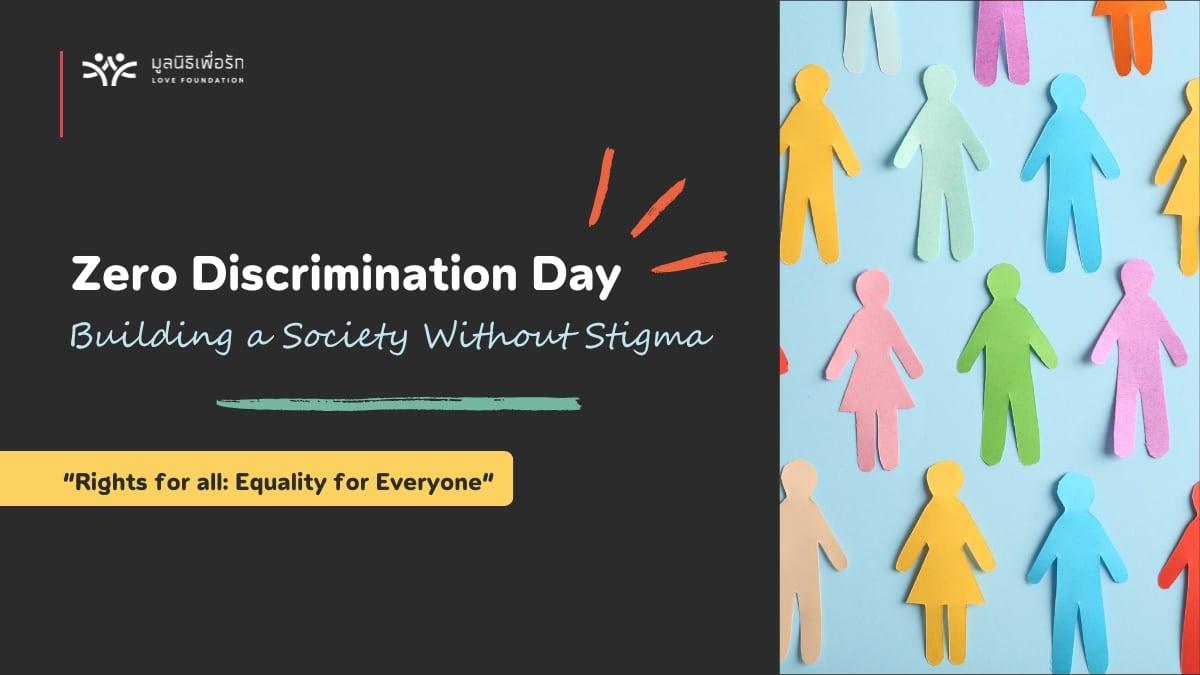
Contents
Zero Discrimination Day observed every year on March 1st, is a global initiative aimed at promoting equal rights and fostering a society where everyone can live harmoniously without facing stigma or discrimination based on gender, race, religion, health, or social status. It is a day that reminds us that every individual should have equal opportunities in education, employment, access to healthcare, and in their social lives. However, discrimination remains a significant barrier that many vulnerable groups face, leading to inequality and exclusion.
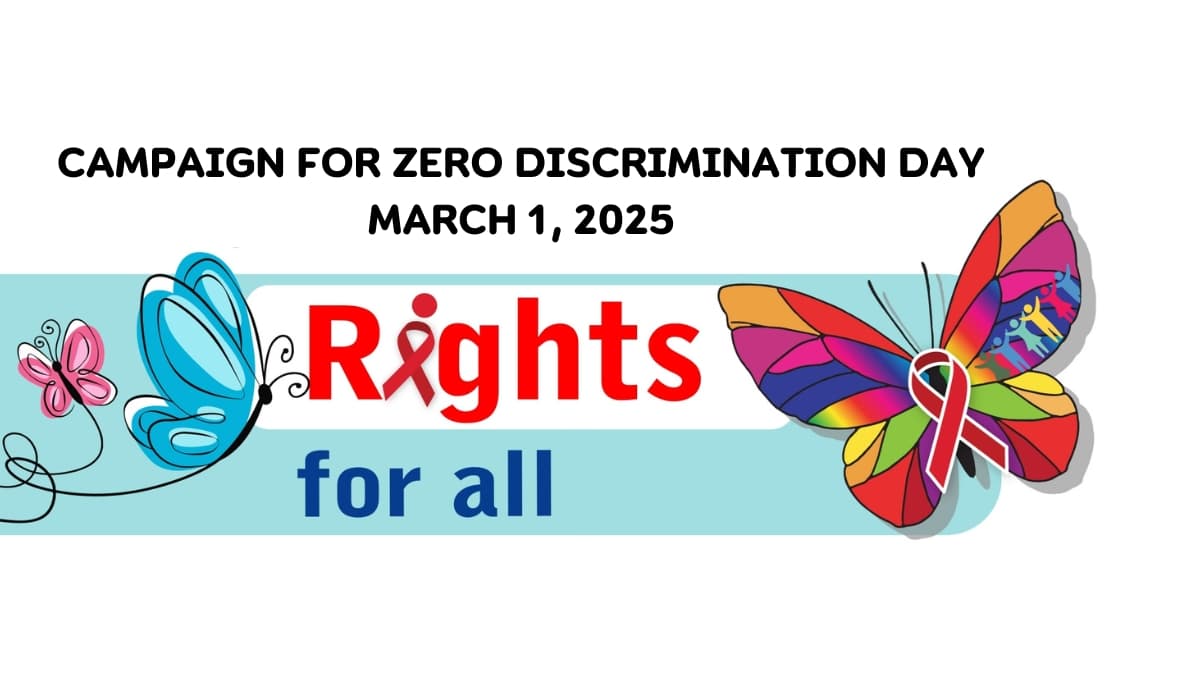
The Joint United Nations Programme on HIV/AIDS (UNAIDS) has designated March 1st as an international campaign day to raise awareness about the impacts of discrimination and stigma on these vulnerable populations, such as people living with HIV, LGBTQ+ communities, people with disabilities, and migrant workers. These groups often face obstacles in accessing basic rights and opportunities. The theme for Zero Discrimination Day in 2025 is "Rights for all: Equality for Everyone" encouraging all sectors of society to work together towards creating a world free from bias and exclusion.
Test for HIV, know your status, and plan early
* Prices and free services vary by provider. Please check the details before booking.
Find HIV testing
 Campaign Slogans Over the Years
UNAIDS chose March 1st as Zero Discrimination Day because they want it to be the starting point for change, following World AIDS Day, which is held every December 1st. World AIDS Day focuses on raising awareness about HIV and disease prevention, while Zero Discrimination Day emphasizes reducing stigma and promoting equal rights. Additionally, March 1st marks the beginning of the year, making it an ideal time to start new initiatives and approaches to creating a fairer and more inclusive society.
Is it time for an HIV test?
* Prices and free services vary by provider. Please check the details before booking.
View testing services
 Related Articles
List of Contents
- History of Zero Discrimination Day
- Discrimination Situation in Thailand
- Approaches to Ending Discrimination and Stigma
- What to Do If You Are Discriminated Against?
History of Zero Discrimination Day
Zero Discrimination Day officially began on March 1st, 2014, initiated by the Joint United Nations Programme on HIV/AIDS (UNAIDS), with the aim of promoting equality, reducing discrimination, and eliminating social biases against vulnerable groups. The concept behind this important day arose from the recognition of the widespread discrimination that affects the lives of many people globally, particularly those living with HIV and marginalized populations who often face stigma. This stigma limits their access to healthcare, education, and employment opportunities. In addition, Zero Discrimination Day has expanded its scope to address other issues such as human rights, migrant labor protections, gender discrimination, and supporting economic and social equality.Objectives and Importance of Zero Discrimination Day
- Reduce stigma in society, especially towards people living with HIV and LGBTQ+ communities.
- Raise awareness about the impact of discrimination and approaches to solving these issues.
- Encourage governments and organizations to create fair policies that do not discriminate against citizens.
- Promote equal rights for everyone, regardless of gender, race, religion, health, or social status.
- Support active participation from everyone in creating an open, human rights-respecting society that embraces diversity.
Campaign Slogans Over the Years
| Year | Slogan |
| 2014 | Open up, reach out |
| 2015 | Zero Discrimination towards People Living with HIV |
| 2016 | Stand Out |
| 2017 | Make Some Noise |
| 2018 | What if … |
| 2019 | Act to change laws that discriminate |
| 2020 | Zero Discrimination against Women and Girls |
| 2021 | End Inequalities |
| 2022 | Remove Laws that Harm, Create Laws that Empower |
| 2023 | Save lives: Decriminalize |
| 2024-2025 | Rights for all – Equality for Everyone |
The symbol of Zero Discrimination Day is the "butterfly" because it represents:
✔ Freedom – Living a life without limitations and prejudice ✔ Change – The transformation from the old to something better ✔ Hope – Creating a society that is equal and fair for everyone
Zero Discrimination Day Situation in Thailand
Although Thailand is recognized for its open stance on LGBTQ+ rights and has an accessible healthcare system, discrimination and stigma still persist.
Discrimination Against People Living with HIV
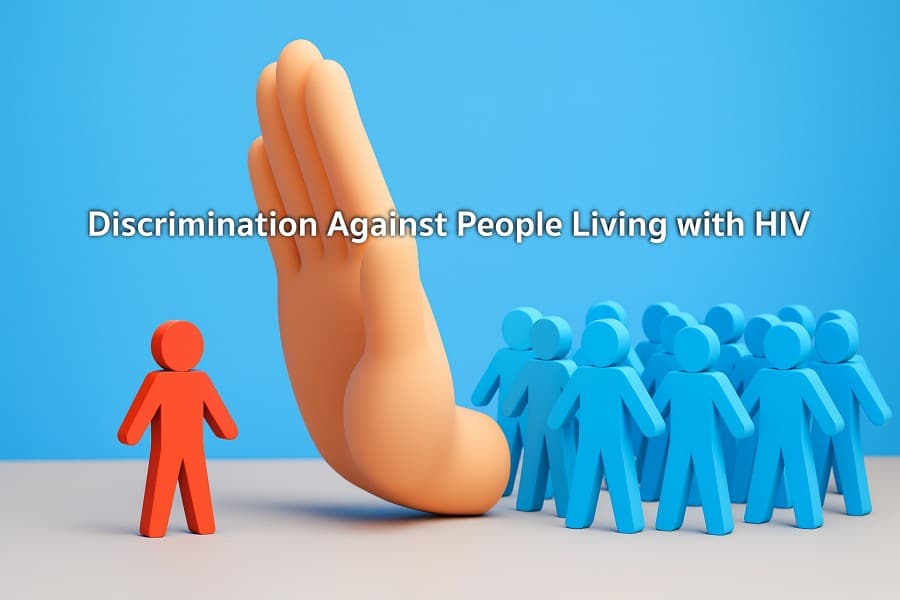
HIV is not harmful to society; it is the stigma and discrimination that serve as obstacles to the lives of those living with the virus. Even though we now have clear medical evidence showing that individuals with HIV who receive continuous treatment can live full, healthy lives and do not transmit the virus, in reality, people living with HIV still face stigma and discrimination in almost every aspect of life. Reports from UNAIDS and Thailand's Ministry of Public Health indicate that discrimination against people with HIV continues to be a significant barrier to controlling the disease and remains a serious human rights issue. This has a profound impact on accessing healthcare services, employment, and participation in society, as outlined below:1. Discrimination in the Healthcare System
One of the major challenges that people living with HIV face is discrimination in healthcare settings, which is especially concerning because healthcare facilities should be places that provide equal care to everyone. Statistics from Thailand's Ministry of Public Health in 2023 revealed that:- 65.4% of healthcare personnel have discriminatory attitudes towards people living with HIV.
- 52% of people living with HIV experience self-stigma and are afraid to seek medical services.
- 11% of people living with HIV have their status disclosed without consent.
- 8.7% of people living with HIV are denied treatment or receive different care compared to other patients.
2. Discrimination in the Workplace
Many companies still use HIV test results as a condition for employment, which is a serious violation of workers' rights. Examples of Discrimination in the Workplace ▶︎ Some employers require employees to undergo HIV testing, and if the test is positive, they may be fired. ▶︎ People living with HIV are often stigmatized by coworkers and pressured or coerced into resigning. ▶︎ Some organizations refuse to hire people living with HIV, even if they are equally qualified for the job. Solutions to Workplace Discrimination ▶︎ Eliminate HIV testing as part of the job application process and treat it as a personal matter. ▶︎ Enact laws that protect employees living with HIV and impose penalties on organizations that discriminate. ▶︎ Create a workplace culture that promotes equality and educates employees about HIV.
3. Discrimination in Society and Family
Although knowledge about HIV and sexually transmitted infections has improved, social stigma continues to lead to people living with HIV being excluded from their families and communities. Surveys have shown that:- 27.9% of Thai people still have negative attitudes toward people living with HIV.
- 52% of people living with HIV experience self-stigma, which leads to a lack of confidence and fear of living openly in society.
- 34.9% of people living with HIV face stigma from their families, causing them to feel isolated and lacking emotional and mental support.
Approaches to Ending Discrimination and Stigma
Discrimination and stigma not only affect individuals who face unfair treatment but also serve as barriers to the overall development of society. Addressing these issues requires collaboration from all sectors, including the government, private organizations, educational institutions, and the general public. By working together, we can create a society that is equal and free from bias.
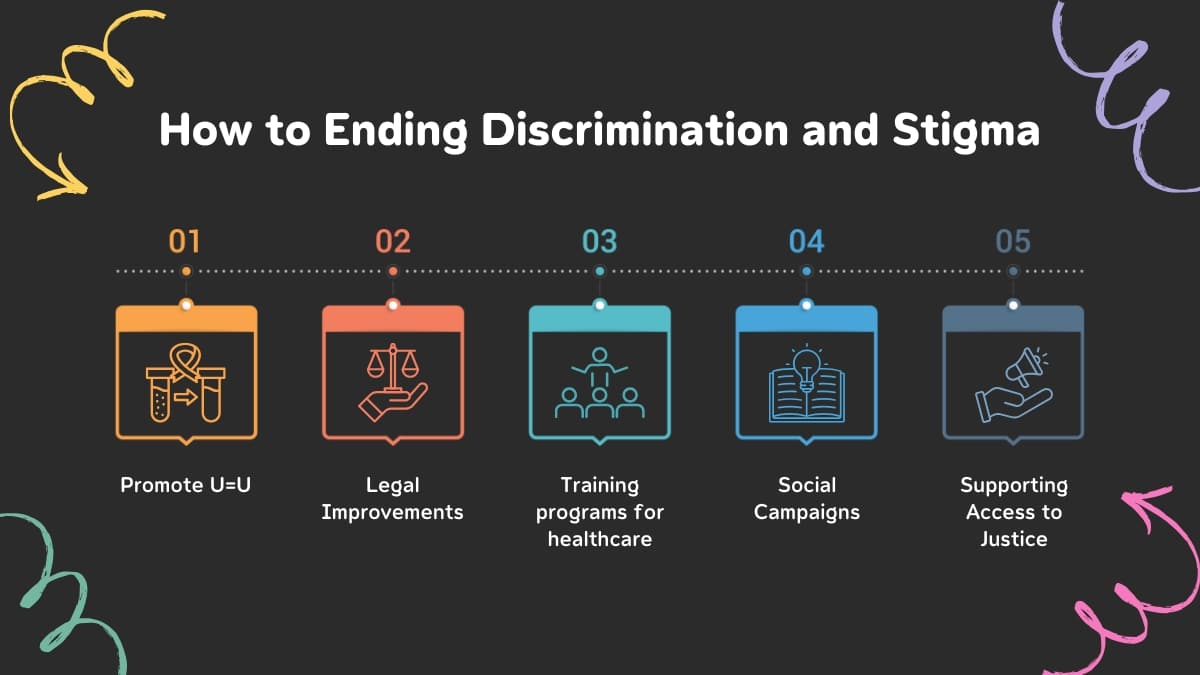
- Actions to Promote U=U:
- Campaigns for Awareness: Launch educational campaigns about U=U in schools and workplaces to inform the public and reduce stigma.
- Training for Healthcare Workers: Provide training for medical personnel to ensure they understand the U=U concept and reduce biases when treating people living with HIV.
- National Public Health Policy: Advocate for U=U to be incorporated into national public health policies to support people living with HIV.
- Legal Improvements to Protect Discriminated Groups:
- Eliminate HIV Testing as a Job or School Requirement: Remove HIV test results as a condition for employment or enrollment in educational institutions.
- Anti-Discrimination Laws in Healthcare and Workplaces: Enforce laws that prevent discrimination in healthcare settings, workplaces, and educational institutions.
- Support for LGBTQ+ Rights: Promote marriage equality and legal rights for the LGBTQ+ community.
-
Reforming the Healthcare System to Be Inclusive:
- Non-Discriminatory Healthcare Training: Organize training programs for healthcare professionals on providing non-discriminatory services.
- S&D E-learning: Develop and expand the “S&D E-learning” course to educate healthcare workers on reducing stigma.
- Specialized Healthcare Centers: Establish health centers specifically for the LGBTQ+ community and people living with HIV.
- Social Campaigns to Reduce Discrimination:
- Educational Activities: Organize awareness activities in schools and workplaces about equality and acceptance.
- Social Media as a Tool: Use social media platforms to disseminate accurate information and raise awareness.
- Celebrity Involvement: Encourage artists, influencers, and actors to be voices for reducing stigma and promoting acceptance.
- Supporting Access to Justice for Discriminated Individuals:
- Legal Assistance Services: Establish legal support services for those who have experienced discrimination.
- Online Complaint Channels: Create convenient and safe online platforms for individuals to file discrimination complaints.
- Public Legal Education: Provide education to the public about their legal rights and how to seek help when facing discrimination.
What to Do If You Are Discriminated Against?
1. Don’t be afraid to stand up and speak out
= If you feel you are being discriminated against, the first thing to do is speak up. If the discrimination is happening in your workplace, school, or healthcare facility, you can inform the relevant parties so they can understand and address the situation.
2. Collect evidence
= f possible, gather evidence that can demonstrate the discrimination, such as recording the event or saving messages that show discriminatory behavior. This will serve as proof if you wish to take legal action or file a complaint.
3. Seek advice from relevant organizations
= If you're unsure about what to do, seek guidance from experts or organizations that support the rights of discriminated individuals. For example, Love2Test has "Baan Samor" which provides consultation and support for people living with HIV, drug users, and families facing discrimination, as well as those whose human rights have been violated. We offer legal advice through a team of legal experts and lawyers, free of charge.
4. Take care of your mental health
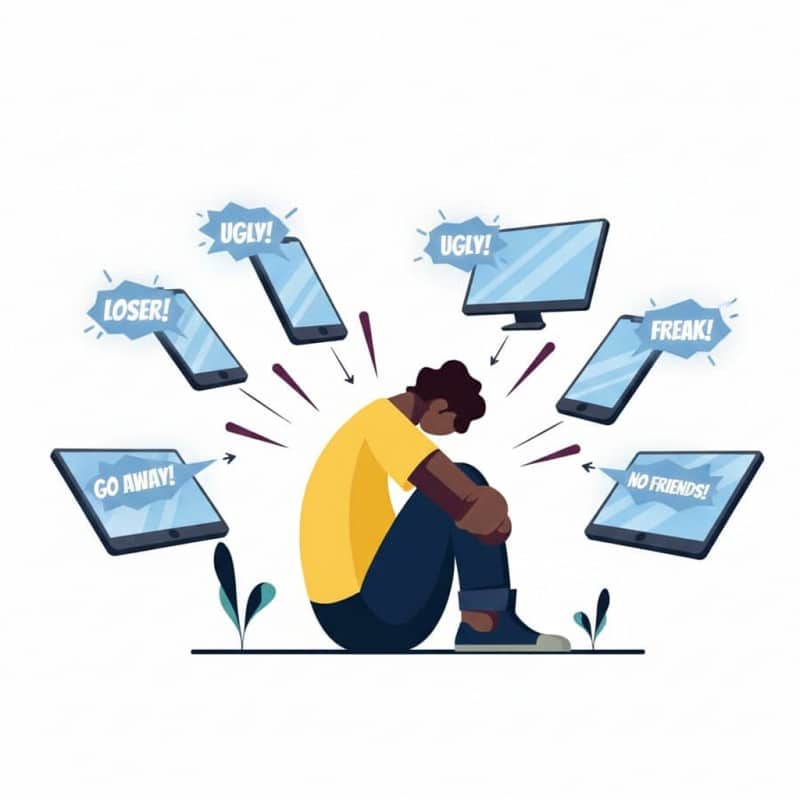
= Don’t let the negative words or actions of others affect your mental well-being. Practice positive self-talk, avoid dwelling on negative issues, or try mindfulness and meditation. These techniques can help you connect with your feelings without judgment.
"Zero Discrimination Day, held on March 1st each year, is a day to promote equal rights and fair coexistence, where no one is stigmatized or treated unfairly based on gender, race, religion, health, or social status. Everyone should have equal opportunities, whether in education, employment, access to healthcare, or living in society"Currently, discrimination remains a barrier that causes many groups of people to face inequality, especially vulnerable groups such as people living with HIV, LGBTQ+ communities, people with disabilities, and migrant workers, who are often excluded from basic rights and opportunities to live their lives fully. Ending discrimination and stigma against these groups is something we can all help create. The theme for Zero Discrimination Day in 2025 is "Rights for all: Equality for Everyone" which calls for cooperation from all sectors to build a society free from bias and exclusion, ensuring that everyone enjoys equal rights, regardless of their status. Working together to create a fair and equal society makes the world a better place for everyone. Reference: Rights for all: equal rights, everyone equal - Department of Disease Control
- ddc.moph.go.th/das/forecast_detail.php?publish=16835
- constitutionalcourt.or.th/occ_web/ewt_dl_link.php?nid=9623
- th.trcarc.org/stigma
Verified references
Links and relevance to the article’s main topic were reviewed on 13 August 2026. Each source supports only the scope stated in the original document and does not replace personalised medical, legal, or service advice.
- UNAIDS: Zero Discrimination Day Accessed 13 August 2026
Written and reviewed by
Love Foundation Editorial Team
Health and community-rights editorial team
Published 27 February 2025
Last updated 14 August 2026