Reproductive Health Across the Life Course
When people hear the term reproductive health, many tend to associate it solely with teenagers or women of reproductive age.
อ่านภาษาไทย
Contents
List of Contents
- What Is Reproductive Health?
- Why Is Reproductive Health Important for All Ages?
- Reproductive Health Across the Life Course
- Benefits of Promoting Reproductive Health
- Policy and Community Recommendations for Advancing
What Is Reproductive Health?
According to the World Health Organization (WHO), reproductive health is defined as a state of complete physical, mental, and social well-being in all matters relating to the reproductive system—not merely the absence of disease or infirmity.
In this context, reproductive health also means:
- The right to make informed decisions about having children—whether to have them, when, and how many.
- Access to accurate information, education, and health services throughout life.
- Comprehensive sexuality education.
- Protection from sexually transmitted infections (STIs) and access to safe contraceptives.
- Reproductive care for people of all ages, genders, and sexual orientations.
Ultimately, reproductive health promotes human rights, public health, and lifelong quality of life.
Why Is Reproductive Health Important for All Ages?
Reproductive health is not just a topic for youth or women of childbearing age. It matters to everyone. Our bodies, minds, and social roles change over time, and so do our reproductive needs and vulnerabilities. Therefore, promoting reproductive health must be a continuous, age-inclusive effort—one that supports overall health and long-term well-being.
Let’s explore how reproductive health applies across different life stages:

Childhood
"The foundation of body awareness and self-protection"
In early childhood, it's essential to lay the groundwork for healthy sexuality. Children should be taught to recognize and name their body parts appropriately, understand body autonomy, and learn to say "no" in uncomfortable situations. This early education helps prevent abuse and fosters respect for their own bodies and others. By normalizing age-appropriate conversations around the body and consent, we empower children to build positive self-image and safer behaviors in the future.Adolescence
"A time of transformation and learning about sexuality"
Adolescence is a stage filled with physical, emotional, and psychological changes. It’s also when young people begin to explore identity, relationships, and sexuality. During this period, comprehensive sex education becomes critical.
Key components include:
- Preventing unintended pregnancies
- Understanding and avoiding STIs
- Building decision-making and communication skills
- Respecting others’ boundaries
- Navigating safe and consensual relationships
When adolescents have access to accurate information and youth-friendly health services, they are more likely to become responsible adults who understand and care for their reproductive health.

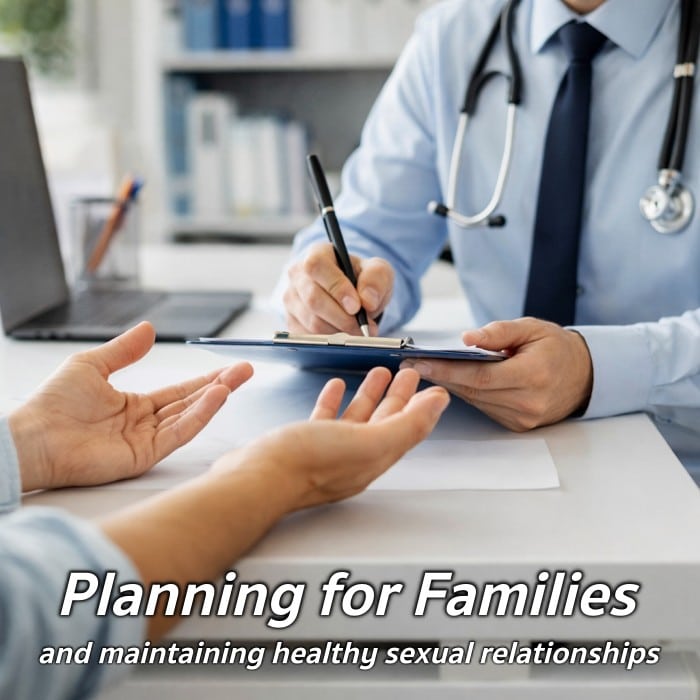
Adulthood
"Planning for families and maintaining healthy sexual relationships"
In adulthood, reproductive health involves more responsibility. People may start families, manage pregnancies, or make decisions about long-term contraception.
Important aspects in this stage include:
- Pre-pregnancy health check-ups
- Choosing the right contraceptive methods
- STI screening and prevention
- Cervical and breast cancer screening
- Supporting safe and fulfilling sexual relationships
Adults also need access to nonjudgmental, diverse, and inclusive reproductive health services that align with their lifestyles and values.
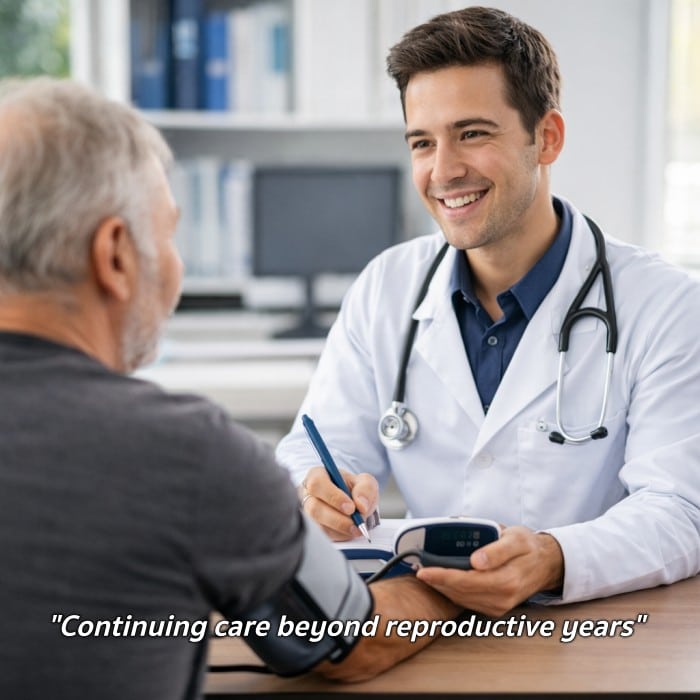
Older Adulthood
"Continuing care beyond reproductive years"
Even after menopause or andropause, reproductive health remains important. Older adults often face unique health needs that are frequently overlooked.
Support should include:
- Screening for reproductive cancers (e.g., prostate, cervical, or ovarian cancer)
- Managing hormonal changes and their emotional impact
- Access to sexual health counseling
- Recognizing that intimacy and sexual expression are still part of a fulfilling life
Recognizing these needs affirms that age should never be a barrier to sexual health and dignity.
Reproductive Health Across the Life Course
1. Childhood: Building the Foundation for Awareness and Protection
Even though children are not yet in their reproductive years, it is essential to instill early understanding of gender, the human body, and personal rights. Early education lays the foundation for long-term sexual health and well-being.
What to Promote in Childhood:
- Teaching children to correctly name and understand their own and others' body parts
- Encouraging respect for personal boundaries and others' autonomy
- Developing refusal and help-seeking skills in unsafe situations
- Creating safe environments where children feel free to express themselves, know how to seek help from a trusted adult, and receive age-appropriate, evidence-based sexuality education
These fundamentals help strengthen children's emotional resilience, reduce their risk of sexual abuse, and prepare them to grow into adults with a healthy understanding of sexuality.
2. Adolescence: A Transitional Phase That Needs Guidance and Support
Adolescence marks a critical period of transition—physically, emotionally, and socially. Supporting reproductive health at this stage means offering knowledge, life skills, and safe spaces for exploration and questions.
Common Challenges in Adolescence:
- Hormonal and emotional changes
- Exploring identity and sexual orientation
- Curiosity and experimentation
- Lack of accurate information or exposure to misinformation on social media
What to Promote:
- Comprehensive and judgment-free sex education
- Access to condoms and STI testing
- Preventing unintended pregnancy
- Youth-friendly, stigma-free health services
Providing teens with accurate information and accessible services equips them to make informed decisions and fosters sexual maturity.
3. Adulthood: Family Planning and Maintaining Healthy Sexual Relationships
In adulthood, many individuals begin to build families and take on greater responsibilities in life. Reproductive health in this stage focuses on responsible family planning, sexual health, and access to quality care.
Key Considerations in Adulthood:
- Choosing the right time and method for having children
- Ensuring safe and healthy pregnancies
- Regular screening for cervical or breast cancer
- Preventing and treating sexually transmitted infections (STIs)
- Accessing appropriate contraceptive options
This stage is fundamental to building strong families and a sustainable society. Accessible, inclusive, and respectful health services play a crucial role in empowering adults to take care of their reproductive health.
4. Older Adulthood: Reproductive Health Beyond Fertility
Although reproductive capability may decline in later life, sexual and reproductive health continues to impact overall quality of life—physically, emotionally, and mentally.What to Monitor and Support:
- Screening for reproductive-related cancers, such as cervical or prostate cancer
- Managing menopausal symptoms like mood swings or vaginal dryness
- Supporting safe and satisfying intimacy
- Addressing mental health challenges related to aging and hormonal shifts
Older adults deserve inclusive, age-appropriate reproductive health services. Recognizing their needs reinforces the belief that sexual health is a lifelong right—not limited by age.
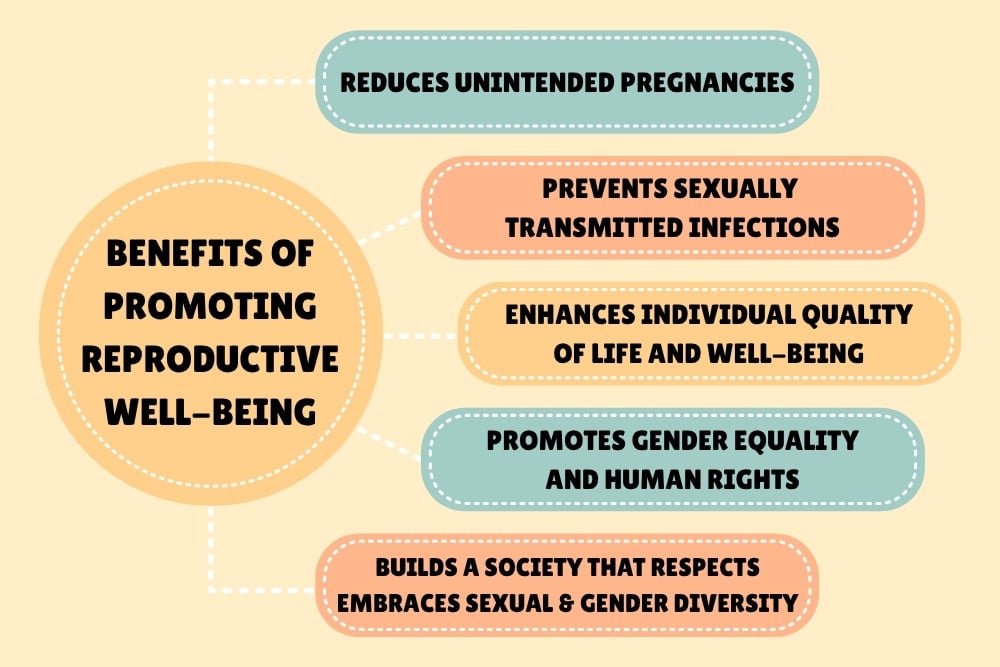
Benefits of Promoting Reproductive Health
Investing in reproductive health offers wide-reaching benefits not only for individuals but also for communities and societies as a whole. Here are some key advantages:
- Reduces unintended pregnancies
- Prevents sexually transmitted infections (STIs)
- Enhances individual quality of life and well-being
- Promotes gender equality and human rights
- Builds a society that respects and embraces sexual and gender diversity
Access to Reproductive Health Services in Thailand
Thailand offers a variety of services and institutions that support reproductive health for different populations:- Public Hospitals that provide antenatal care, family planning, and screening for reproductive diseases
- Youth-friendly clinics in selected hospitals offering sexual health counseling
- Non-governmental Organizations (NGOs) such as the Planned Parenthood Association of Thailand
- Community Health Centers and Clinics that provide HIV prevention services like PrEP and PEP
Ensuring safe, inclusive, and stigma-free access to reproductive health information and services is essential for an effective and equitable reproductive health system.
Policy and Community Recommendations for Advancing Reproductive Health
To ensure that reproductive health is fully supported and accessible, the following measures should be prioritized:
- Integrate comprehensive sexuality education into school curricula
- Expand and improve inclusive health clinics for all genders and age groups
- Launch consistent public campaigns to promote understanding of sexual and reproductive rights
- Advocate for inclusive sexual health policies that address the needs of vulnerable populations (e.g., LGBTQ+, homeless youth, the elderly)
- Empower families to engage in open, respectful conversations about sex and relationships
Reproductive Health and LGBTQI+ Inclusion: Creating Equity Through Care
Promoting reproductive health means ensuring that LGBTQI+ individuals are not left behind. This population often faces unique barriers to accessing health information and services, such as:🚩 Challenges Faced:
- Lack of healthcare providers trained in LGBTQI+ issues
- Stigma and discrimination within the health system
- Limited or irrelevant health information for diverse identities
✅ Solutions to Address These Barriers:
- Train healthcare workers in gender and sexual diversity
- Establish safe and inclusive clinics that are welcoming to all identities
- Develop tailored resources, including guidelines on PrEP/PEP usage for LGBTQI+ communities
- Involve LGBTQI+ individuals in designing reproductive health services to ensure relevance and respect
By making reproductive health services inclusive and responsive, we can reduce health disparities and support equal rights for all, regardless of gender identity or sexual orientation.
Related Articles- Love2Test Expanding Access to HIV Testing to End HIV in Thailand
- Understanding Anxiety: Symptoms, Causes, and Management
FAQs About Reproductive Health
If I don't have a partner, do I still need to care about reproductive health?
Can LGBTQI+ individuals access reproductive health services?
Are there technologies or innovations that support reproductive health?
- Period and ovulation tracking apps
- Long-acting reversible contraception (e.g., implants)
- Telemedicine platforms offering virtual consultations
- Safe online platforms providing reliable sex education
These innovations make it easier to access information, monitor your health, and connect with professionals—anytime, anywhere.
How should families start talking about sex and reproductive health?
What if I have no knowledge about sexuality or reproductive health—where should I start?
- Your country’s Ministry of Public Health website
- Reputable NGOs that focus on sexual education
- Organizations advocating for health and human rights
- Youth-friendly clinics, doctors, or nurses trained in reproductive health
- Online platforms with evidence-based content (e.g., WHO, Planned Parenthood)
Don’t worry—everyone starts somewhere. What matters is taking the first step to learn and take care of yourself.
 Conclusion: Sexual Health = Sustainable Well-being
Reproductive health is not just about sex or having children. It represents a holistic approach to health—encompassing the physical, mental, emotional, and social dimensions of human life, as well as individual rights and dignity. It affects everyone, from childhood through old age.
Conclusion: Sexual Health = Sustainable Well-being
Reproductive health is not just about sex or having children. It represents a holistic approach to health—encompassing the physical, mental, emotional, and social dimensions of human life, as well as individual rights and dignity. It affects everyone, from childhood through old age.
By promoting access to accurate information and appropriate services across all life stages, we create a society that understands, respects, and supports one another’s rights. This collective awareness is the foundation for a truly healthy and inclusive community.
Reference: The Meaning of Reproductive Health The State of Reproductive Health Among Adolescents and Youth in 2023 UNFPA Reaffirms the Importance of Reproductive HealthVerified references
Links and relevance to the article’s main topic were reviewed on 13 August 2026. Each source supports only the scope stated in the original document and does not replace personalised medical, legal, or service advice.
- WHO: Sexual and reproductive health and rights Accessed 13 August 2026
- WHO: Sexual health Accessed 13 August 2026