Mpox Is Not a Gay Disease: Understanding Transmission and Prevention
Anyone can get mpox. Early cases clustering in some social networks do not make it a disease of any one group, and understanding how it spreads and what…
อ่านภาษาไทย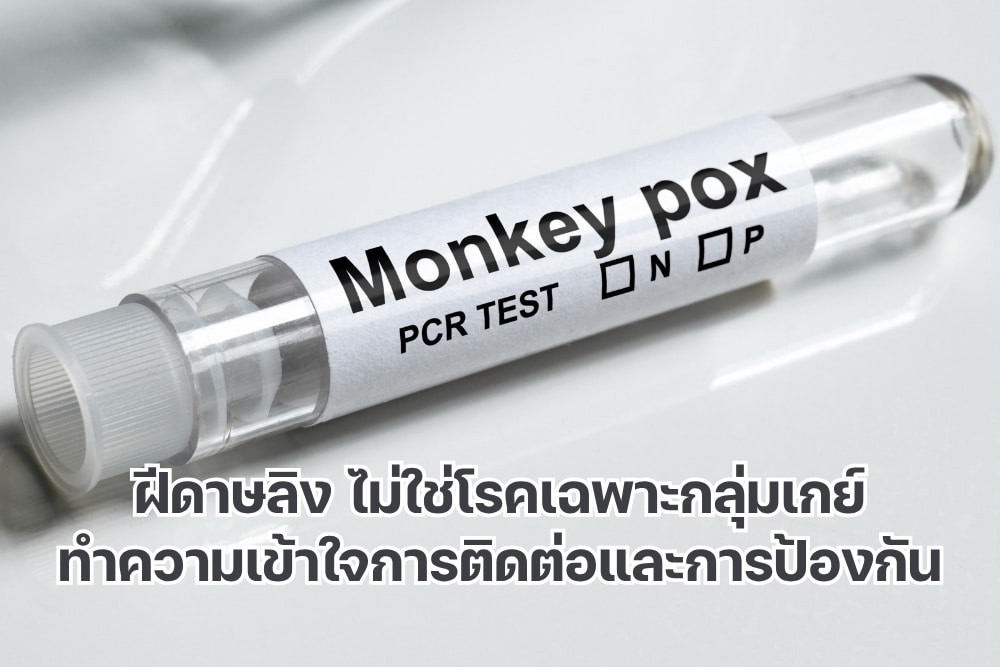
Contents
By Lauren Moss, LGBT reporter, and Josh Parry, LGBT producer, BBC News. Most people diagnosed with mpox in the United Kingdom so far are gay and bisexual men. Doctors and public health experts have spoken to the BBC about the "delicate balance" of protecting the group currently most at risk without stigmatizing them, while also making sure the message does not lead to complacency.
Is mpox really spreading faster among gay men?
The short answer is no. Anyone can catch mpox. The virus is not a sexually transmitted infection; it usually spreads through close skin-to-skin contact, which is why it can pass to a sexual partner. But because most confirmed cases so far have been among men who have sex with men and other LGBTQ+ people, doctors are encouraging this group in particular to be aware of the symptoms. Mateo Prochazka, an epidemiologist at the UK Health Security Agency (UKHSA), said:
"Infection is not about sexual orientation. We are concerned about mpox generally as a public health threat. We are concerned about everyone's health."
Why are more cases found among gay and bisexual men than in the general population?
Because mpox usually spreads through direct contact, once one person in a group is infected the virus tends to spread among people who are in close contact with one another, such as within a household or between sexual partners. Dr. Prochazka said, "It is not yet clear why gay men make up a higher proportion of infections." He added, "It just so happens that the infections appear to be passing through networks of gay men, men who have sex with men, and bisexual men. That is where we are seeing the majority of cases."
One theory is that the return of international travel as Covid-19 lockdowns eased may have contributed to the initial outbreak. However, the person-to-person transmission seen in recent weeks in countries outside the traditional regions of West and Central Africa is a new development.
Scientists are investigating whether the infections stem from a single introduction of the virus or from so-called "super-spreader" events, such as large gatherings that could lead to many infections at once. Dr. Prochazka said, "Another possibility is that gay men's active engagement with sexual health services may be leading to more cases being diagnosed."
Mpox and gay men: the fear of stigma
Gay and bisexual men were stigmatized, hated, and feared during the AIDS crisis of the 1980s and 1990s. Doctors and charities are keen to make sure this does not happen again with mpox, and they worry that stigma could stop others from recognizing that they too could have the virus.
The HIV and sexual health charity Terrence Higgins Trust is raising awareness alongside leaders at UKHSA and the NHS to learn more about mpox and its impact on people. Alex Sparrowhawk, from the Trust's health improvement team, said, "They are worried that people may wrongly think of mpox as a gay disease. We want to say that everyone needs to be aware of the signs and symptoms."
Jaime Garcia-Iglesias, a sociologist at the University of Edinburgh who studies how AIDS and Covid-19 have affected certain communities, said, "There is a high risk that this stigma will resurface and could stop people from seeking the help they need."
How can we protect ourselves?
Dr. Prochazka said, "Because the number of infections is still very small, experts are not advising people to change their personal behavior in daily life, but we do want people to stay alert." He acknowledged it is "a delicate balance between people's freedom to make their own choices and the freedom to avoid being exposed," and said, "What matters is that people are equipped to make their own decisions."
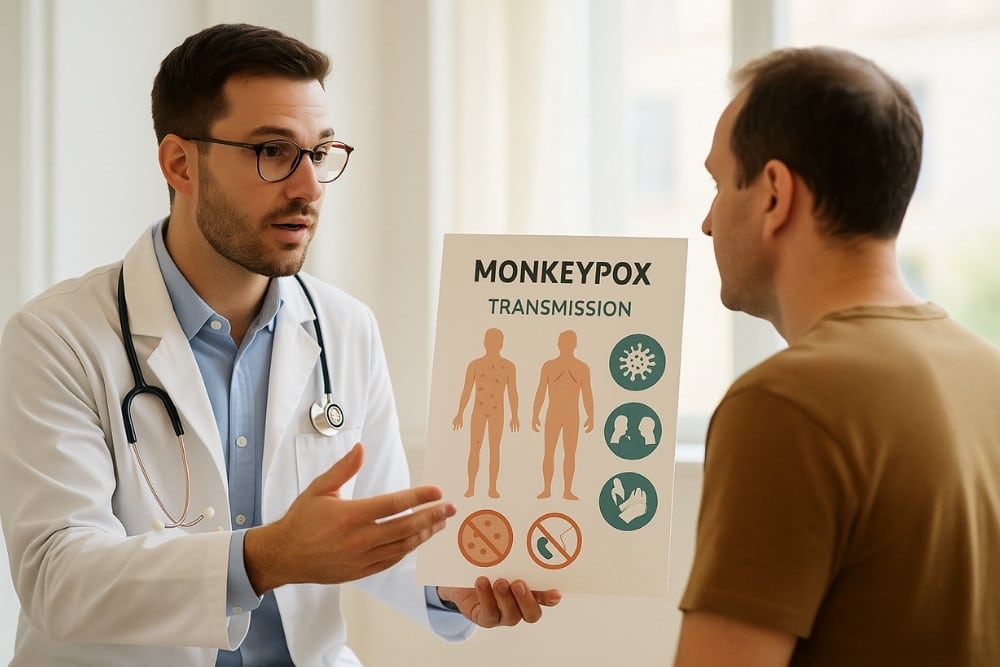
Condoms protect against sexually transmitted infections but cannot prevent the spread of mpox. Mr. Sparrowhawk said, "People should not be overly anxious, but if someone feels unwell and has symptoms such as fever, headache, swollen lymph nodes, and a rash, they should contact a clinic for further advice. If you have no symptoms and have a routine sexual health check-up scheduled, you should go ahead as planned."
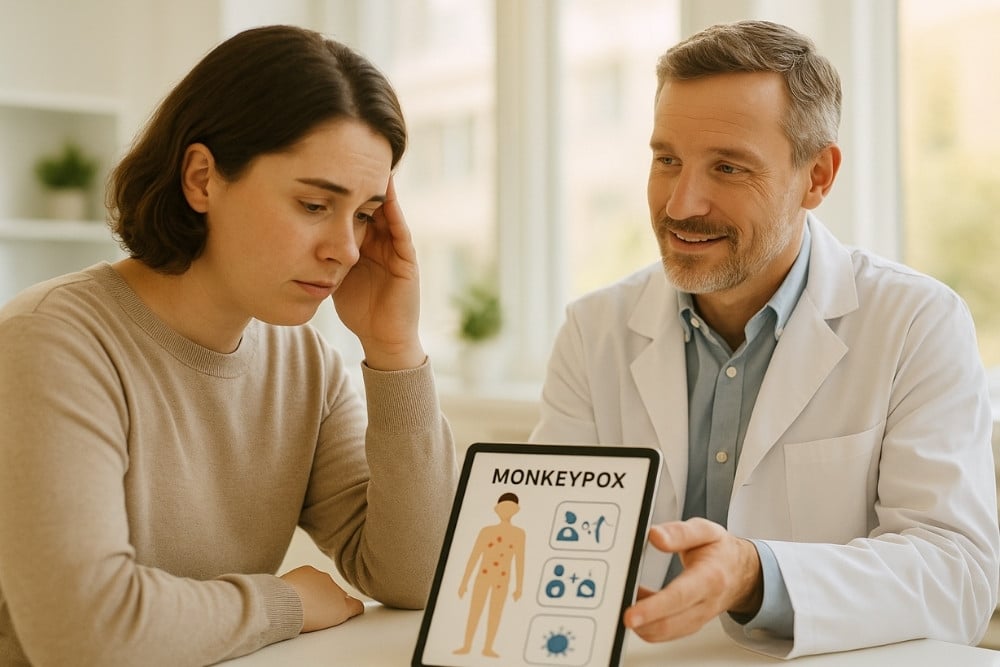
If I think I have mpox, what should I do?
If you feel unwell or have a new, unusual rash, you are advised to contact your local sexual health clinic. But do not turn up for an appointment in person without calling ahead. People at highest risk, after contact with a confirmed case, will be asked to isolate at home for up to three weeks. Most infections clear up on their own without treatment.
If you think you may have mpox, you should tell your doctor. Because it can take more than three weeks for symptoms to appear, the number of diagnosed cases is likely to rise. While UKHSA acknowledges the outbreak is significant and a cause for concern, it says the risk to people in the UK remains low.
Read other related articles
- LGBTQ+ Chinese people open up about the shame of coming out
- The state of LGBTQ laws around the world
Dr. Prochazka said that when a new threat enters a population, "we will do our very best to contain and suppress it. I think we are still at the stage where we can do that and can genuinely respond to and manage this mpox outbreak."
Source: BBC News
Verified references
Links and relevance to the article’s main topic were reviewed on 13 August 2026. Each source supports only the scope stated in the original document and does not replace personalised medical, legal, or service advice.
- WHO: Mpox fact sheet Accessed 13 August 2026
- CDC: About Mpox Accessed 13 August 2026