LGBTQ+ Sexual Health - Myths vs. Reality
When people talk about sexual health, many immediately think of STI testing or condom use. However, LGBTQ+ Sexual Health means far more than that.
อ่านภาษาไทย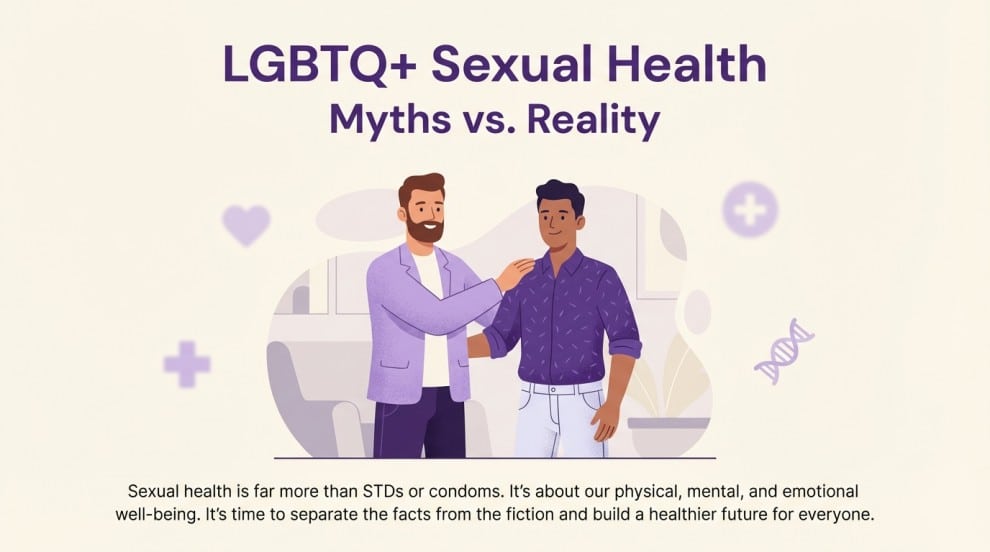
Contents
When people talk about sexual health, many immediately think of STI testing or condom use. However, LGBTQ+ Sexual Health means far more than that. It encompasses not only physical health, but also mental well-being, gender identity, relationships, and equal access to healthcare services. In societies where misunderstandings about gender and sexual diversity still persist, many LGBTQ+ individuals face barriers to taking care of their own sexual health. These barriers may come from stigma, lack of accurate information, or even fear of seeking medical care. This article invites everyone to open their minds and better understand what LGBTQ+ Sexual Health truly means, which common myths we should stop believing, and how we can take care of ourselves—and those around us—both physically and emotionally.
List of Contents
- What Is LGBTQ+ Sexual Health?
- Factors That Affect Sexual Health in LGBTQ+ Communities
- How Can Society Support Equitable Sexual Health?
- Sexual Health in LGBTQ+ Communities Is About Understanding and Acceptance
What Is LGBTQ+ Sexual Health?
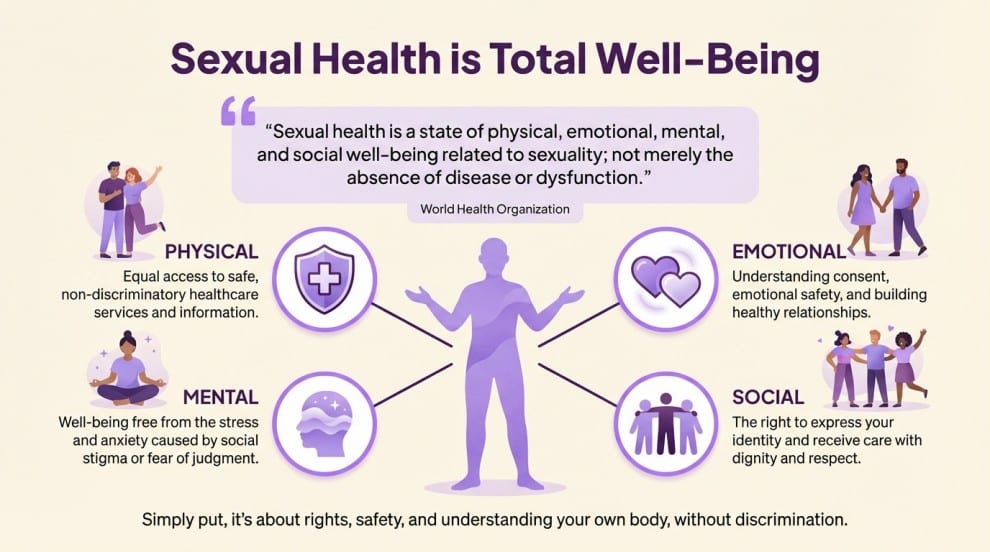
The World Health Organization (WHO) defines sexual health as
“a state of physical, emotional, mental, and social well-being related to sexuality; not merely the absence of disease or dysfunction.”
Therefore, LGBTQ+ Sexual Health refers to the ability of people of all genders, sexual orientations, and bodies to receive care, counseling, and access to sexual health services equally—without discrimination—and with an understanding of the specific risks related to their bodies and sexual practices. Simply put, sexual health is not about gender alone. It is about rights, safety, and understanding one’s own body.
Common Myths About LGBTQ+ Sexual Health
Myth 1: LGBTQ+ People Have No Sexual Health Risks
Many people mistakenly believe that sexual health risks only exist in heterosexual relationships. In reality, risk depends on the specific sexual activity, the body site, the infection, barrier use, PrEP, and treatment status—regardless of gender or sexual orientation.
Oral sex, anal sex, and sharing sex toys can all transmit infections if proper protection is not used. This is why sexual health in LGBTQ+ communities should never be overlooked—risks are real, but they are preventable with accurate knowledge.
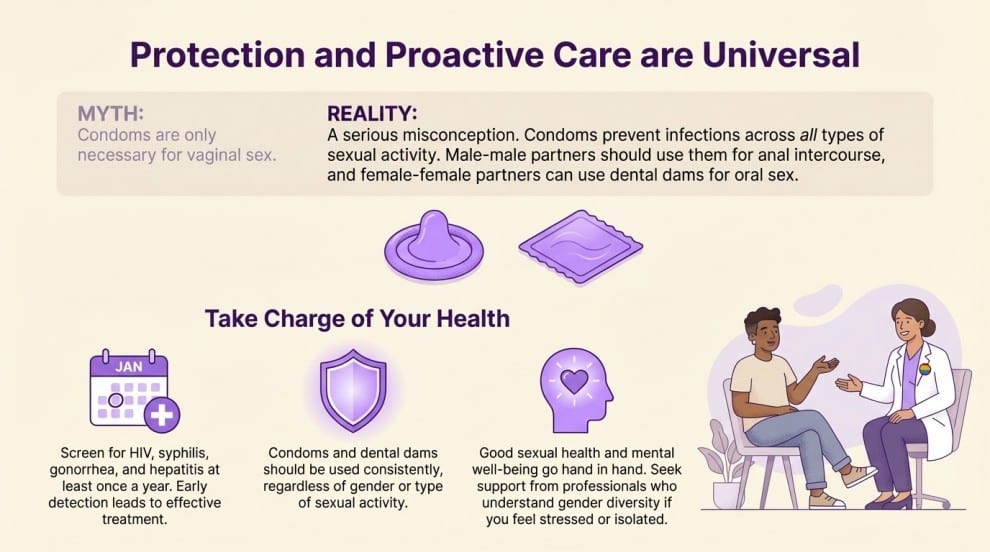
Myth 2: Condoms Are Only for Vaginal Sex
Some people assume that condoms are unnecessary if there is no vaginal intercourse. This is a serious misconception. Condoms greatly reduce the risk of many STIs, including during oral and anal sex, but they do not fully prevent infections spread by skin-to-skin contact.
- Use condoms for anal sex, whether receptive or insertive
- Use dental dams for oral sex, direct genital contact, or shared sex toys
Using protection not only reduces infection risk but also increases confidence and peace of mind.
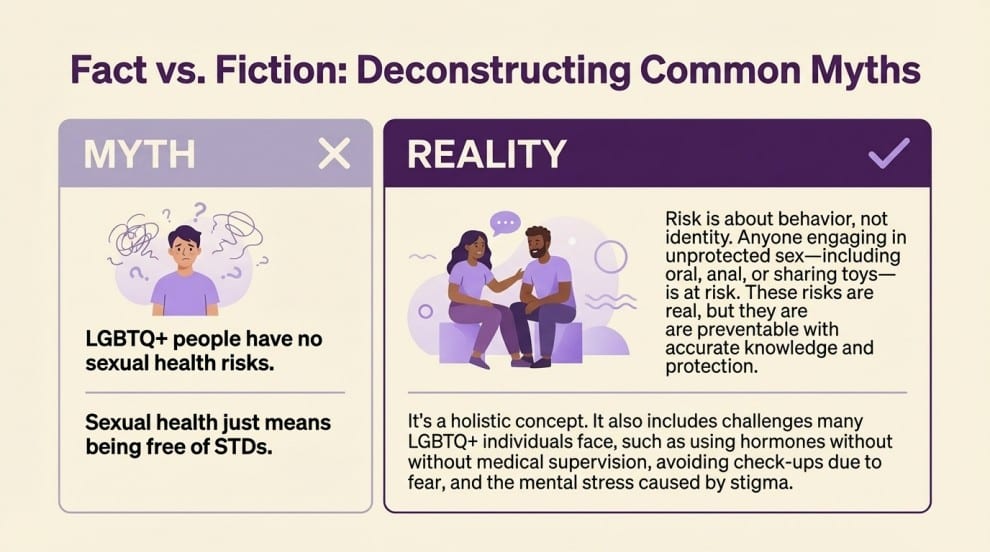
Myth 3: Sexual Health Only Means STIs
LGBTQ+ Sexual Health is not just about being “disease-free.” It also includes understanding your body, consent, emotional safety, and healthy relationships.
Many LGBTQ+ individuals face additional challenges, such as:
- Using hormones without medical supervision
- Avoiding health check-ups due to fear of judgment
- Stress caused by social stigma
All of these are integral parts of sexual health that require understanding and support.
Myth 4: Transgender People Don’t Need Sexual Health Check-Ups
In reality, transgender individuals should receive sexual health care just like anyone else, based on their bodies and medical needs.
- Transgender women taking hormones may need monitoring that a clinician tailors to the individual—such as liver function, kidney health, and hormone levels—based on the specific medicines and gender-affirming care guidance
- Transgender men who still have a uterus should continue cervical cancer screening
LGBTQ+ Sexual Health should never be limited by sex assigned at birth, but guided by individual anatomy and sexual behavior.
Myth 5: Talking About Sex Is Shameful
This belief is deeply rooted in many cultures, including Thai society. However, open and accurate conversations about sex are essential for reducing health risks and building mutual understanding. Creating safe spaces for LGBTQ+ individuals to discuss sexual health—such as testing, protection, or preventive medication—is a crucial step toward true sexual well-being.
Factors That Affect LGBTQ+ Sexual Health
- Stigma and Discrimination
- Fear of judgment or mistreatment often discourages LGBTQ+ individuals from accessing healthcare services.
- Lack of Inclusive Information
- Most sexual health resources are designed for heterosexual individuals, leaving many LGBTQ+ people without information that truly applies to them.
- Social Stress
- Discrimination, rejection, or ridicule can lead to anxiety or depression, which directly impacts sexual health and relationships.
- Limited LGBTQ+ Friendly Healthcare Services
- Some clinics lack inclusive systems, such as gender-affirming forms or staff trained in gender diversity.
- Conversion Therapy Explained: The APA’s Perspective
- Equal Health Access – Hormone Therapy Under Gold Card
How to Take Care of LGBTQ+ Sexual Health
- Get Regular Sexual Health Check-Ups
- Sexual health screenings should be done at least once a year, and which tests you need—such as HIV, syphilis, gonorrhea, and hepatitis—should be based on your age, vaccination and health history, personal risk, pregnancy, and the body sites exposed (throat, genital/urine, and rectum). Early detection leads to effective treatment and prevention.
- Use Protection Every Time
- Condoms and dental dams should be used consistently, regardless of gender or type of sexual activity.
- Use Hormones Safely
- Gender-affirming hormones should always be taken under medical supervision, with regular blood tests to prevent long-term side effects.
- Get Vaccinated
- Vaccines such as HPV and hepatitis B can protect against sexually transmitted infections and related cancers.
- Care for Mental Health
- Good Sexual Health in LGBTQ+ Communities goes hand in hand with mental well-being. If you feel stressed, anxious, or isolated, seek support from mental health professionals who understand gender diversity.
How Can Society Support Equitable LGBTQ+ Sexual Health?
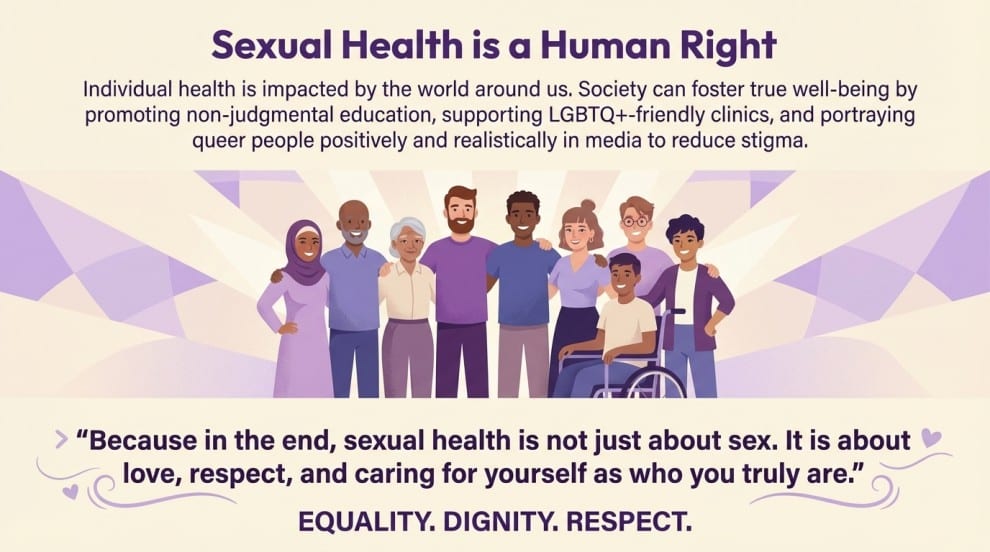
- Promote non-judgmental sex education in schools, universities, and workplaces
- Support LGBTQ+-friendly clinics with inclusive policies and trained staff
- Use media to portray LGBTQ+ people positively and realistically, reducing stigma and misinformation
LGBTQ+ Sexual Health Is Everyone’s Issue
Sexual health is not exclusive to any group—it is a human right. Everyone deserves to love, express themselves, and live safely and confidently. LGBTQ+ Sexual Health is not only about the body, but also about equality, dignity, and respect.
Conclusion: LGBTQ+ Sexual Health Is About Understanding and Acceptance
Sexual Health in LGBTQ+ Communities is not more complicated than anyone else’s—it is often made complicated by prejudice and misunderstanding. Education, support, and safe spaces empower people to access healthcare without fear or shame.
Because in the end, sexual health is not just about sex.
It is about love, respect, and caring for yourself as who you truly are.
References:“Good sexual health begins with self-understanding
and respect for others’ differences—
because gender should never determine the right to good health.”
- Health care for gender-diverse people (LGBTQIA+)
- Health disparities affecting the LGBTQ+ community
- Getting to know LGBTQ+: embracing diversity that “needs no cure”
Verified references
Links and relevance to the article’s main topic were reviewed on 13 August 2026. Each source supports only the scope stated in the original document and does not replace personalised medical, legal, or service advice.
- WHO: Sexual and reproductive health and rights Accessed 13 August 2026
- WHO: Sexual health Accessed 13 August 2026
- OHCHR: LGBT rights fact sheet Accessed 13 August 2026