
Safer Sex: Informed Choices for Sexual Health and Well-Being
Safer sex means having sex while protecting yourself and your partner from sexually transmitted infections (STIs).
Read article → HIV Test · Get PrEPTH
LOVE FOUNDATION BLOG
Published articles from our original WordPress archive, organised for easier discovery.
Safer sex means having sex while protecting yourself and your partner from sexually transmitted infections (STIs).
Read article →
Hepatitis B (HBV) and hepatitis C (HCV) can cause chronic hepatitis, cirrhosis, and liver cancer, but their transmission, prevention, and treatment differ.
Read article →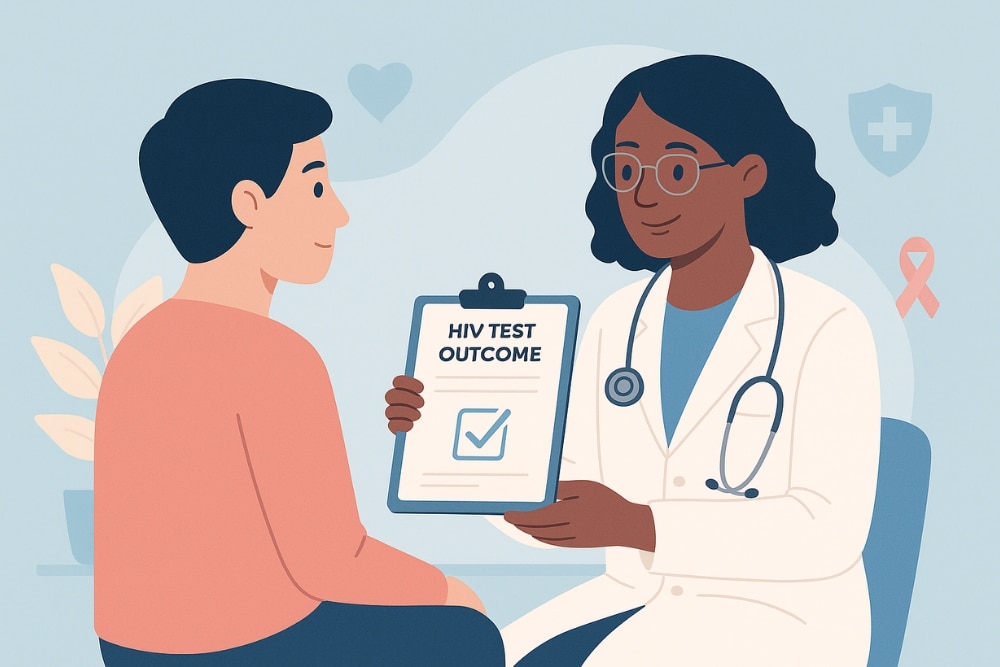
Understand a negative or non-reactive HIV test, when repeat testing is needed for each window period, and what reactive and invalid results mean.
Read article →
Condoms are essential for preventing sexually transmitted infections and for birth control, and today they come in many types.
Read article →
Antiretroviral therapy (ART) is at the heart of HIV treatment, and doctors will carefully assess when a person should begin taking these medications.
Read article →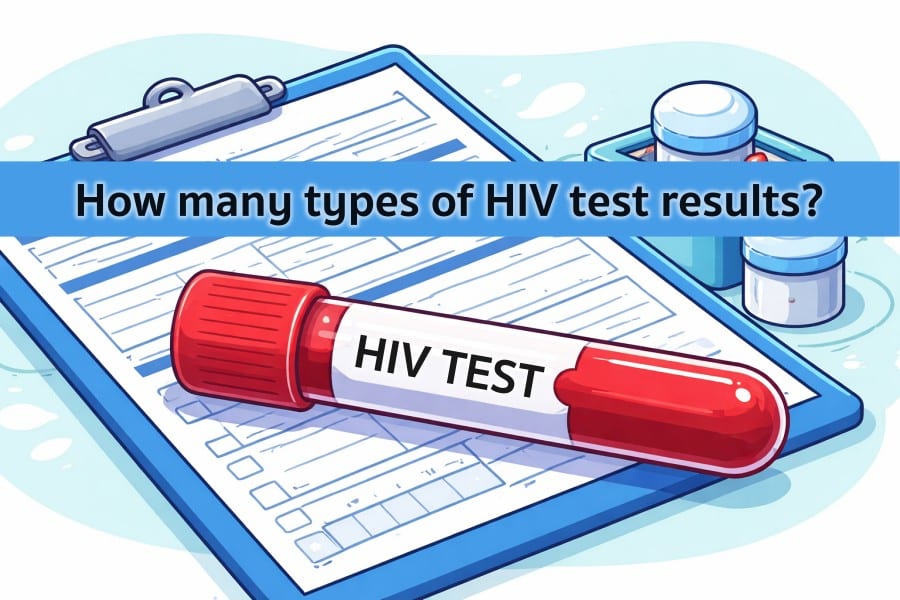
HIV testing can detect infection before illness develops. Screening results are described as reactive or non-reactive, and a reactive result requires…
Read article →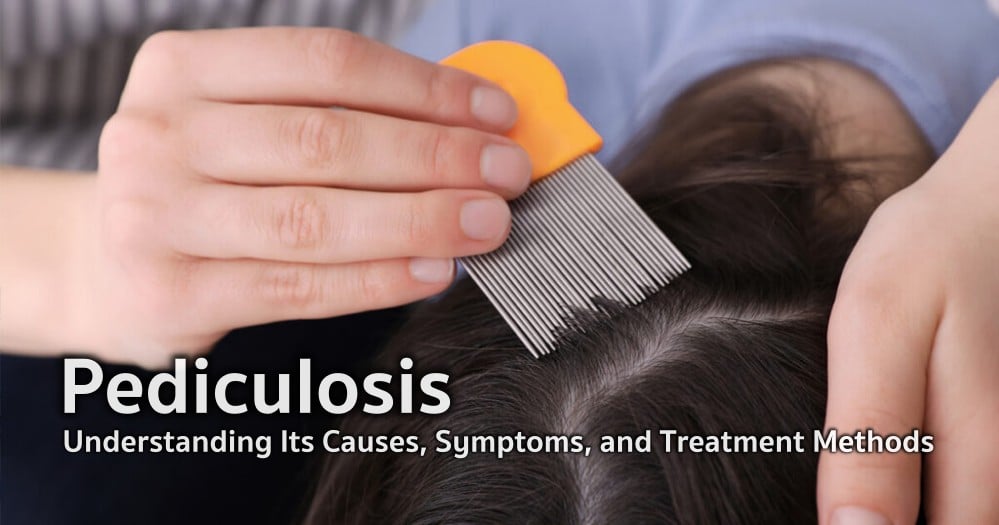
Pubic lice are different from head and body lice. Learn how to seek diagnosis, treat safely, care for contacts and avoid unsafe products near the eyes.
Read article →
A woman was reported to be in HIV remission after a cord-blood stem-cell transplant performed to treat blood cancer.
Read article →
Fourth-generation HIV antigen/antibody tests detect infection earlier than antibody-only tests, but a negative result at day 14 cannot rule out HIV…
Read article →
It marks a major medical breakthrough in 40 years, as Moderna, one of the world’s largest vaccine manufacturers, announces progress toward an HIV vaccine.
Read article →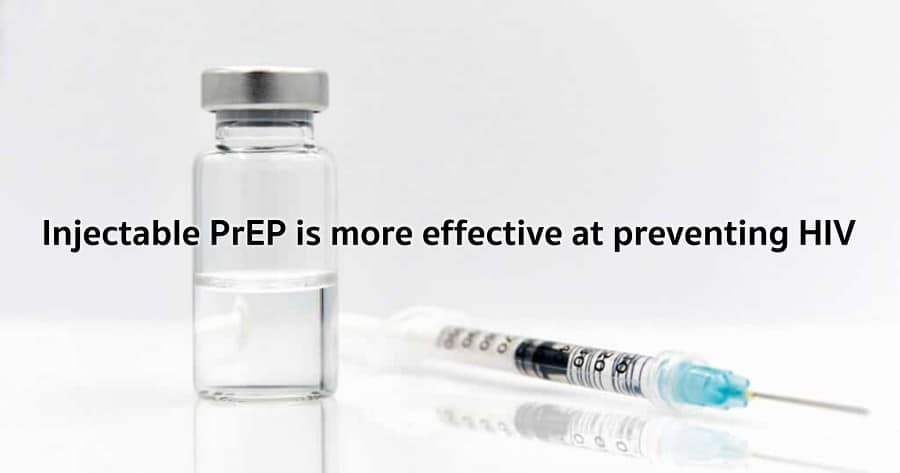
Long-acting injectable cabotegravir is a highly effective PrEP option for people who prefer not to take daily tablets.
Read article →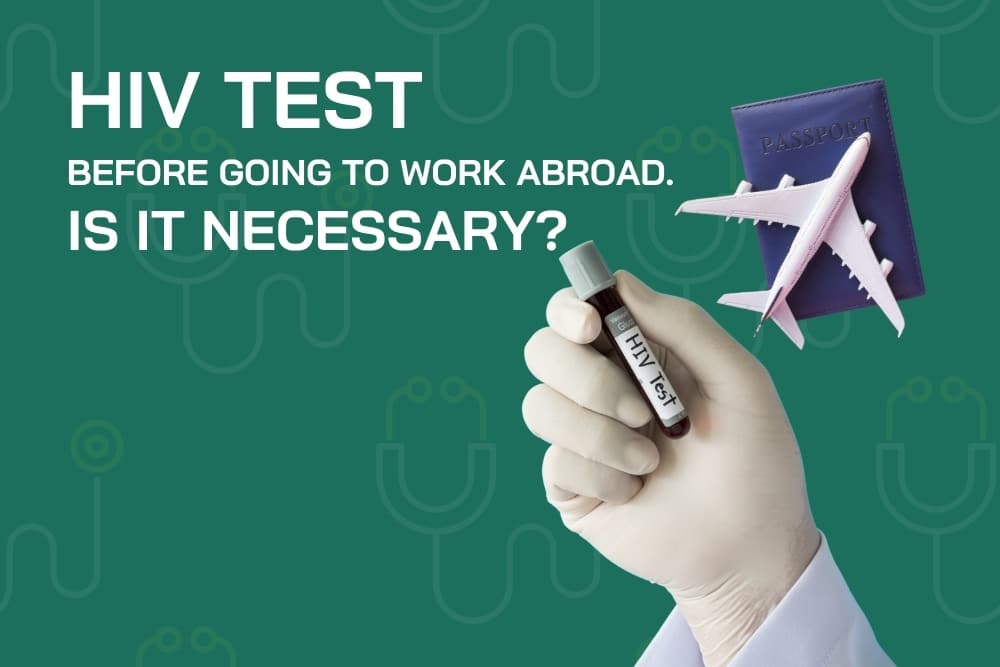
HIV testing is not required for overseas employment in “almost every country.” Rules vary by country, visa type, length of stay, occupation, employer…
Read article →