Negative HIV Test Result: Meaning, Window Period and Next Steps
Understand a negative or non-reactive HIV test, when repeat testing is needed for each window period, and what reactive and invalid results mean.
อ่านภาษาไทย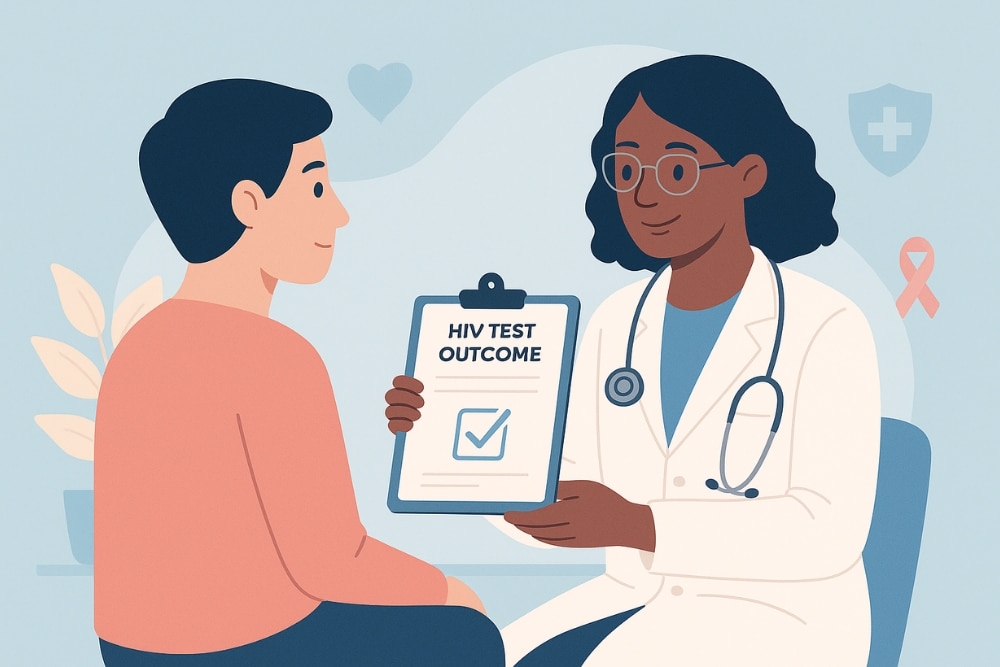
Contents
HIV Test Outcome can be a deeply emotional experience — a moment filled with relief, fear, hope, or uncertainty. Whether your result is positive or negative, it marks an important turning point in understanding your health and taking charge of your future. Knowing your HIV status is not just about the test itself; it’s about gaining clarity, responsibility, and empowerment to make informed decisions about your life.
For those who test negative, it is an opportunity to continue practicing safe behaviors and maintain regular checkups. For those who test positive, it opens the door to early treatment, emotional support, and a healthy, fulfilling life through proper care. With today’s advanced medical treatments, people living with HIV can live long, vibrant lives just like anyone else. This article will guide you through understanding what your HIV test outcome means, how to cope with the emotional impact, and how to navigate daily life with knowledge, confidence, and self-compassion — no matter what your result may be.
List of Contents
- Limitations for people living with HIV
- How many types of HIV test results are there?
- How to cope with HIV Test Results?
- Benefits of HIV testing
- How to take care of yourself if your HIV test result is positive?
Practical Legal and Health Considerations
Living with HIV may impose certain limitations. It’s important for people living with HIV to be aware of activities they should avoid, such as:
- Donating blood, organs, or body parts
- Purchasing life insurance (always check conditions and policy details)
- Applying for work, residence, or travel visas in countries that restrict entry for people living with HIV
- Enlisting in the military
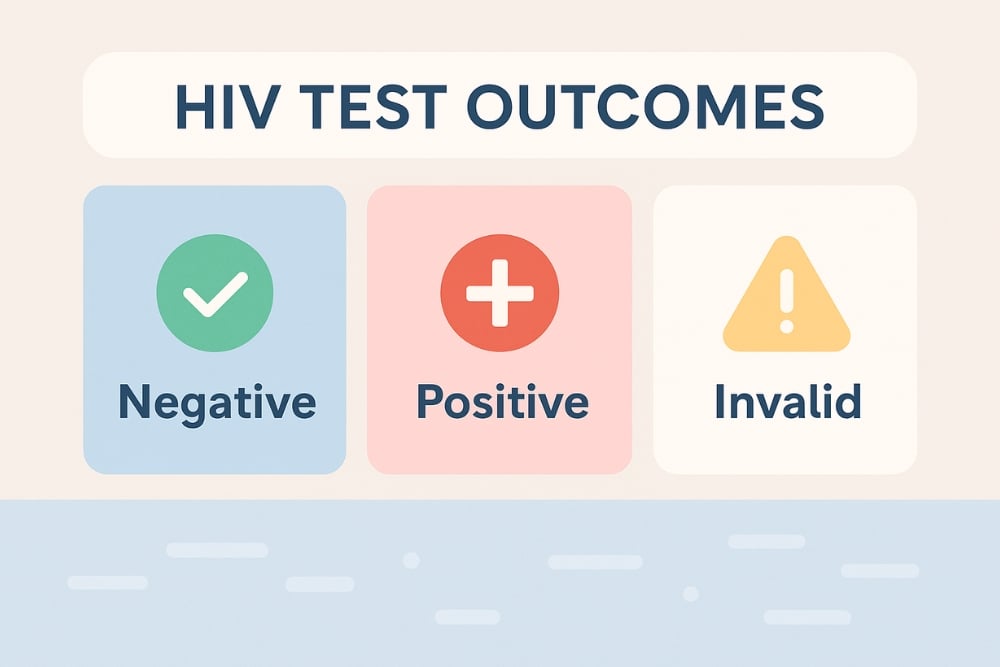
How Many Types of HIV Test Outcome Are There?
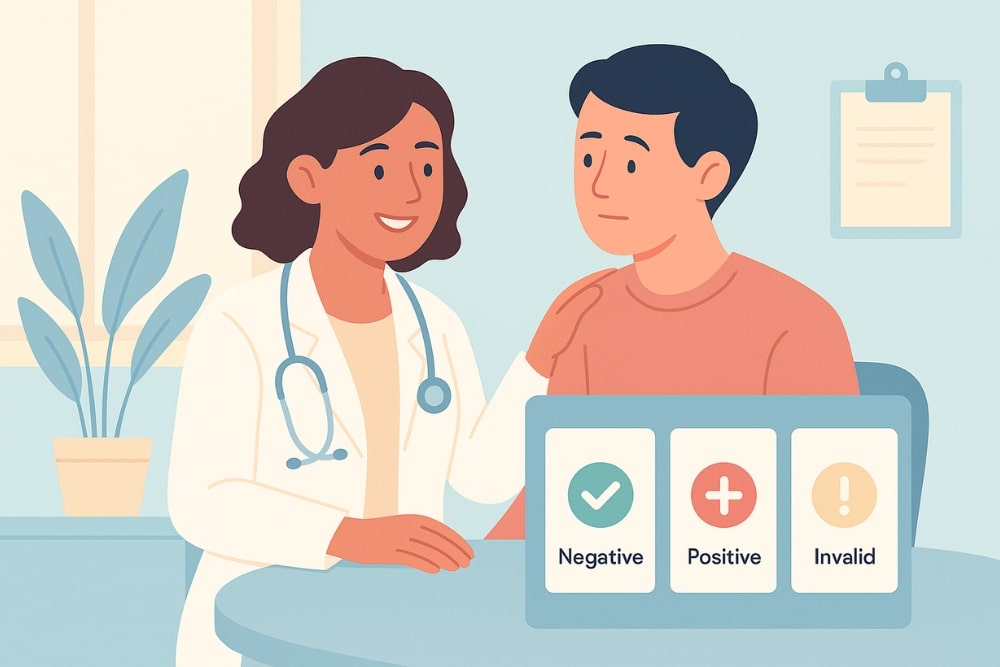
Many people assume that HIV test results can only be “Positive” or “Negative,” but in fact, there are three possible outcomes depending on the testing method. Understanding what each result means can help you take the right next steps.What does a negative or non-reactive HIV result mean?
A negative or non-reactive result means the test did not detect evidence of HIV at that time. It must be interpreted using the date of possible exposure and the test type because no HIV test detects infection immediately. This interval is the window period.
CDC guidance says a NAT can usually detect HIV 10–33 days after exposure, a laboratory antigen/antibody test using blood from a vein 18–45 days, a rapid antigen/antibody finger-stick test 18–90 days, and an antibody test 23–90 days. The exact interval can depend on the test and use of antiretroviral medicines such as PrEP or PEP, so ask the testing service which test was used.
If you test again after the window period, have no new exposure during that time, and the result is negative, you do not have HIV from that exposure. If you tested earlier, repeat testing should follow the advice for that test rather than applying a universal three-to-six-month wait to everyone.
What does a reactive screening result mean?
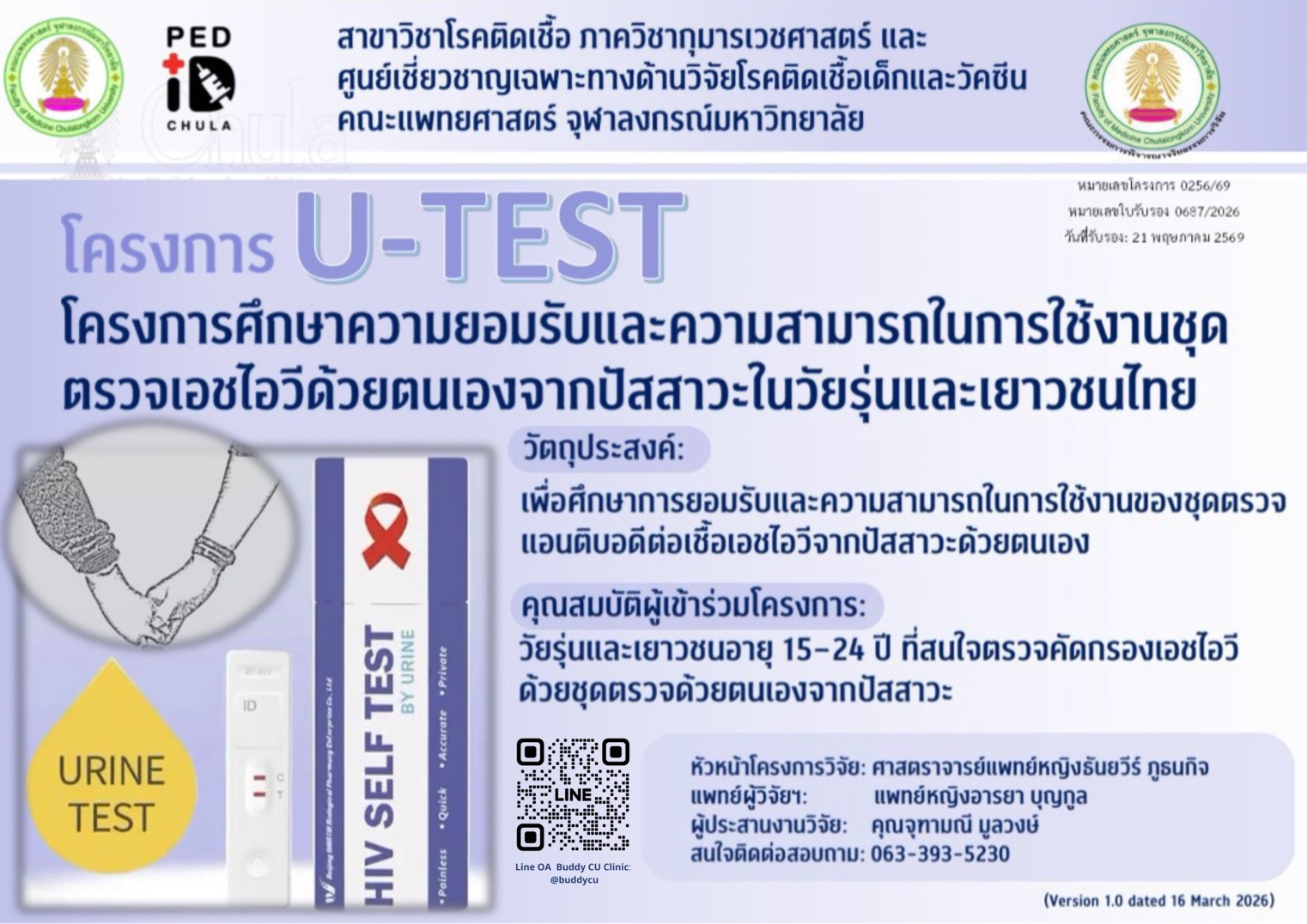
Reactive means the screening test detected a reaction that may be related to HIV, but it is not the final diagnosis. Follow-up testing is required. A laboratory may perform this testing on the same sample, while a reactive self-test needs follow-up at a healthcare service. Do not diagnose HIV from a single screening result.
Invalid (Test Could Not Be Interpreted)
An Invalid result usually occurs when the test procedure was not performed correctly — most often with HIV self-testing kits available at licensed pharmacies. Causes may include improper testing technique, expired kits, or damaged equipment. In this case, you should repeat the test using a new kit or visit a clinic for professional testing.
How to Cope with HIV Test Outcome
If your doctor confirms that you are living with HIV, the most important step is to begin treatment as soon as possible while remaining calm and informed. Remember that HIV treatment today allows people to live long, healthy lives. If you feel overwhelmed or anxious, it is best to speak directly with your healthcare provider. They can provide guidance and reassurance tailored to your situation. HIV treatment approaches vary depending on the stage of infection and your overall health — your doctor will determine the best plan to ensure effective results.
Benefits of HIV Testing
- Helps you know your HIV status
- Knowing your HIV status is an essential part of taking charge of your sexual health. Because HIV often shows no symptoms at first, testing is the only way to confirm your condition with certainty.
- Enables early access to treatment
- If you test positive, early treatment can stop the virus from damaging your immune system and reduce the risk of other health complications. Starting ART early can lower your viral load until it becomes undetectable, allowing you to stay healthy and live a full, healthy lifespan.
- Prevents transmission to others
- When HIV is undetectable, it cannot be transmitted sexually — a concept known as U=U (Undetectable = Untransmittable). Thus, knowing your status helps protect both yourself and your community.
- Helps you plan your life responsibly
- Knowing your result allows you to make informed decisions about relationships, family planning, and long-term health. Those who test negative can maintain safe sexual practices and consider preventive options like PrEP, while those who test positive can begin treatment promptly and continue to live fulfilling, healthy lives.
- Fear HIV Testing? Here’s How to Stay Healthy & Overcome It
- What is the window period for HIV testing?

How to Take Care of Yourself After a Positive HIV Test Outcome
- Take your medication on time, every time.
- Exercise regularly and appropriately.
- Eat a balanced and nutritious diet.
- Avoid alcohol, smoking, and all recreational drugs.
- Maintain good mental health — if you feel anxious or stressed, talk to your doctor or a counselor for support. Mental well-being plays a vital role in long-term treatment success.
- Avoid behaviors that may transmit HIV to others. Encourage your partner to get tested as well.
- Protect yourself from infections that can cause complications, as your immune system is more vulnerable.
- For appetite loss, eat smaller, more frequent meals and avoid spicy or strong-smelling foods.
- For nausea or dizziness, avoid salty, sour, or fried foods.
- If you experience weight loss, eat more protein and carbohydrates, and stay hydrated.
- For mouth ulcers, choose soft, easy-to-chew foods that provide sufficient energy.
Conclusion
Coping with and managing life after receiving your HIV test result is not only a medical process but also an emotional and psychological journey. Accurate information and guidance from healthcare professionals can help you understand treatment steps and maintain your health effectively. Open communication with your doctor reduces anxiety, builds trust, and makes treatment more successful.
"Having loved ones, family members, or partners attend medical consultations together can create mutual understanding, reduce stigma, and provide emotional support. Encouragement and empathy from those around you are invaluable in maintaining adherence to treatment and achieving a healthy, fulfilling life."
Ultimately, whether your HIV test result is negative or positive, it represents the beginning of responsible self-care. Those who test negative should continue practicing safe sex and regular testing, while those who test positive should start treatment promptly and follow medical advice closely. HIV care today is not something to fear — it is about awareness, empowerment, and building a society of understanding and equality.
References:- Understanding and Coping When Your HIV Blood Test Comes Back Positive
- What Does “Reactive” Mean When Testing for HIV?
- HIV Infection After Sex: How Many Days Before You Can Test for the Virus?
Frequently asked questions about a negative HIV test
Does negative mean I definitely do not have HIV?
A negative result is conclusive for the exposure when testing occurs after the window period for that test and there has been no new exposure. If the test was taken too early, repeat it as advised.
When should I repeat a negative HIV test?
The timing depends on the test type and exposure date. Ask which test was used and follow its window period rather than using the same interval for every test.
Does my negative result mean my partner is negative?
No. A result applies only to the person tested. Partners need their own testing at an appropriate time.
Does reactive mean an HIV diagnosis?
Not yet. A reactive screening result requires follow-up testing before HIV is diagnosed.
Verified references
Links and relevance to the article’s main topic were reviewed on 13 August 2026. Each source supports only the scope stated in the original document and does not replace personalised medical, legal, or service advice.
- CDC: Getting Tested for HIV Accessed 13 August 2026
- กรมควบคุมโรค: แนวทางตรวจ HIV/ซิฟิลิส/HBV/HCV พ.ศ. 2568 Accessed 13 August 2026
- WHO: HIV and AIDS fact sheet Accessed 13 August 2026