


Safe Sex Basics is something many people want but may not fully understand. Sexual activity is a natural part of human life. It is connected to reproduction, emotional bonding, pleasure, and overall physical and mental well-being. Healthy sexual relationships can strengthen intimacy between partners and contribute positively to quality of life. However, good sex should always be accompanied by proper protection. Without prevention, sexual activity may lead to stress, anxiety, and potential health risks later on. Learning and applying Safe Sex Basics helps ensure that sexual experiences remain enjoyable, responsible, and free from unnecessary worry—for both you and your partner.

What Is Sexual Activity?
Sexual activity refers to intimate physical or emotional interaction between two or more people. It may occur for pleasure, emotional connection, or reproduction. Sexual activity can include penetrative sex—such as vaginal, anal, or oral intercourse—as well as non-penetrative activities like touching, fingering, or using sex toys.
Because sexual activity involves close physical contact and the exchange of bodily fluids in some cases, understanding Safe Sex Basics is essential for protecting sexual health.

What Health Risks Are Associated with Sexual Activity?
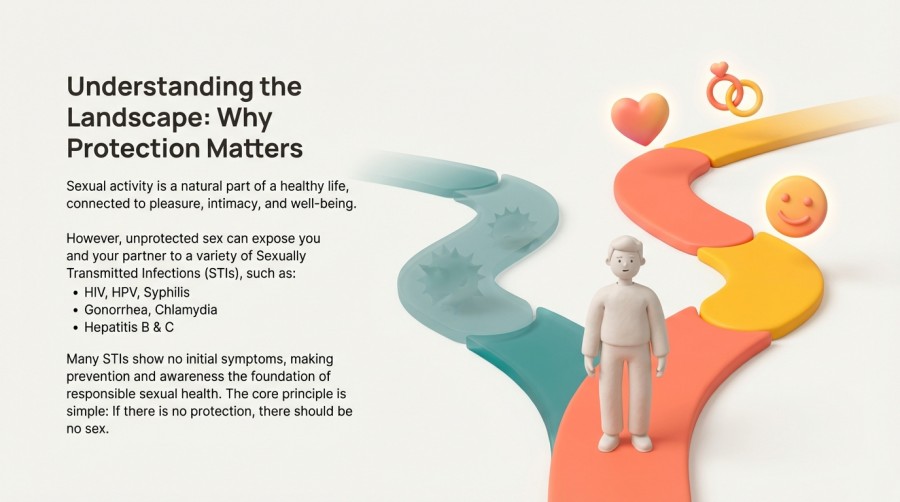
Unprotected sexual activity can expose individuals to a variety of sexually transmitted infections (STIs). Some infections may show no symptoms at first, which makes prevention and regular screening an important part of Safe Sex Basics.
Common sexual health risks include HIV, syphilis, gonorrhea, chlamydia, genital herpes, hepatitis B, hepatitis C, HPV, and other infections. A simple principle often emphasized in Safe Sex Basics education is:
If there is no protection, there should be no sex.
Safe Sex Basics – Effective Ways to Reduce Risk
Masturbation and Solo Sexual Activity
Masturbation is one of the safest sexual practices. It involves stimulating your own body using hands, objects, or sex toys without contact with another person’s bodily fluids. When personal hygiene is maintained, the risk of infection is extremely low. Some people enhance solo sexual experiences through imagination, videos, messaging, or online communication with trusted partners. From a Safe Sex Basics perspective, solo sexual activity can be a low-risk alternative to physical sexual contact.
Condoms: A Core Element of Safe Sex Basics
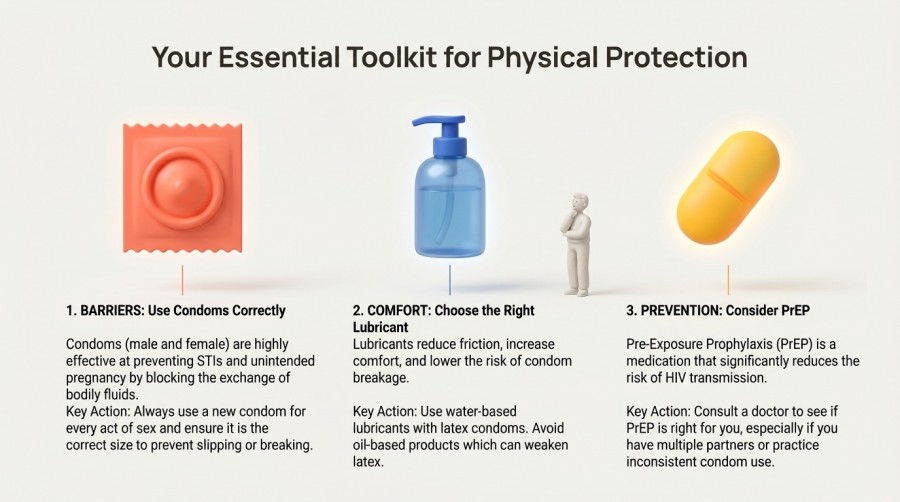
Condoms are among the most effective tools for preventing both sexually transmitted infections and unintended pregnancy. They are widely available, affordable, and highly effective when used correctly.
Male Condoms
Male condoms are worn over the penis to prevent the exchange of bodily fluids during sexual activity. Most are made from natural latex and come in a wide variety of sizes, textures, and designs.
Correct condom use is a key principle of Safe Sex Basics. Condoms should be used only once, worn only when the penis is fully erect, and replaced if sexual activity lasts for an extended period. They should be removed carefully after ejaculation and disposed of properly. Choosing the right size is also important. A condom that is too loose may slip off, while one that is too tight may break, reducing protection.
Female Condoms
Female condoms are inserted into the vagina before sex and create a barrier that helps prevent pregnancy and infections. They are usually made from synthetic materials and come in one standard size.
Female condoms offer flexibility because they can be inserted several hours before sexual activity. However, they may require practice to use comfortably and are typically more expensive than male condoms. Understanding their advantages and limitations is part of making informed choices within safe sex basics.
Lubricants and Their Role in Safe Sex Basics
Using the correct lubricant can reduce friction, lower the risk of condom breakage, and improve comfort during sex. Lubricants are especially helpful when natural lubrication is insufficient or during anal sex.
Water-based lubricants are widely recommended because they are easy to clean, safe with all condoms, and gentle on the skin. Oil-based products, such as petroleum jelly or cooking oils, should not be used with condoms because they can weaken latex. Silicone-based lubricants last longer but must be used carefully, especially with certain sex toys.
Choosing the right lubricant is an often-overlooked but important part of safe sex basics.
PrEP
Pre-Exposure Prophylaxis (PrEP) is a preventive medication taken before sexual activity to significantly reduce the risk of HIV transmission. When used consistently and combined with condoms, PrEP can offer very high levels of protection. PrEP is typically recommended for individuals with ongoing risk, such as those with multiple partners or inconsistent condom use. Medical consultation and regular follow-up are required to ensure safety and effectiveness.
Vaccination and Sexual Health Protection
Only a limited number of sexually transmitted infections can be prevented through vaccination. Hepatitis B and HPV vaccines play an important role in safe sex basics, offering long-term protection against serious health complications, including certain cancers. Individuals who are unsure about their vaccination status should consult a healthcare provider for appropriate testing and immunization.
Behavioral Choices
Protection methods work best when combined with responsible behavior. Practicing Safe Sex Basics also means being mindful of personal decisions and boundaries. This includes avoiding unprotected sex, limiting the number of sexual partners, avoiding high-risk encounters, and using protection for all forms of sexual activity, including oral sex. Open communication between partners about protection and expectations strengthens trust and reduces risk.
Regular Sexual Health Screening
Routine testing is one of the most important elements of Safe Sex Basics. Regular screening allows infections to be detected early, making treatment more effective and reducing the risk of transmission to others. Testing is especially important for individuals planning long-term relationships, marriage, or pregnancy. Early detection supports better health outcomes and greater peace of mind for everyone involved.
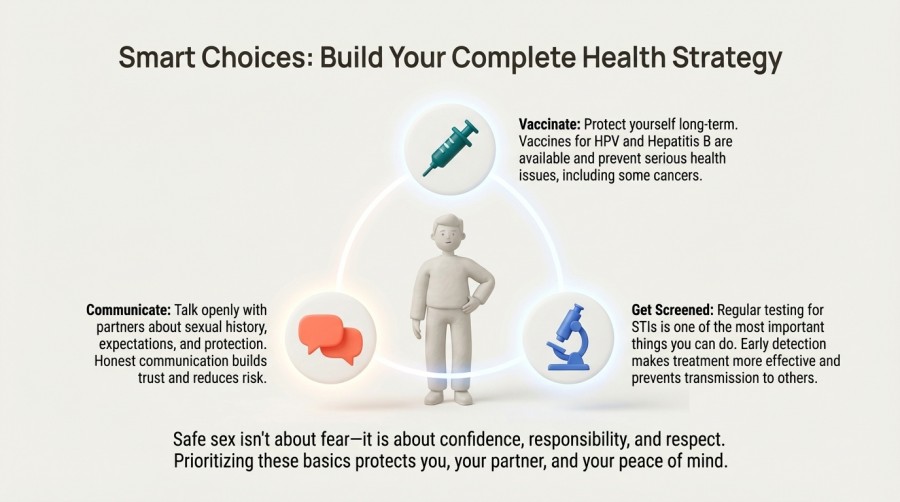
Understanding and practicing Safe Sex Basics empowers individuals to take control of their sexual health. Protection, informed choices, regular screening, and open communication work together to create safer and more fulfilling sexual experiences. Safe sex is not about fear—it is about confidence, responsibility, and respect. When you prioritize Safe Sex Basics, you protect not only your own health but also the well-being of your partner, allowing intimacy to be enjoyed with trust and peace of mind.
📚 References