Thinking About Starting Hormones? Read This First
The safety of taking gender-affirming hormones today matters, even as social acceptance of transgender and gender-diverse people continues to grow.
อ่านภาษาไทย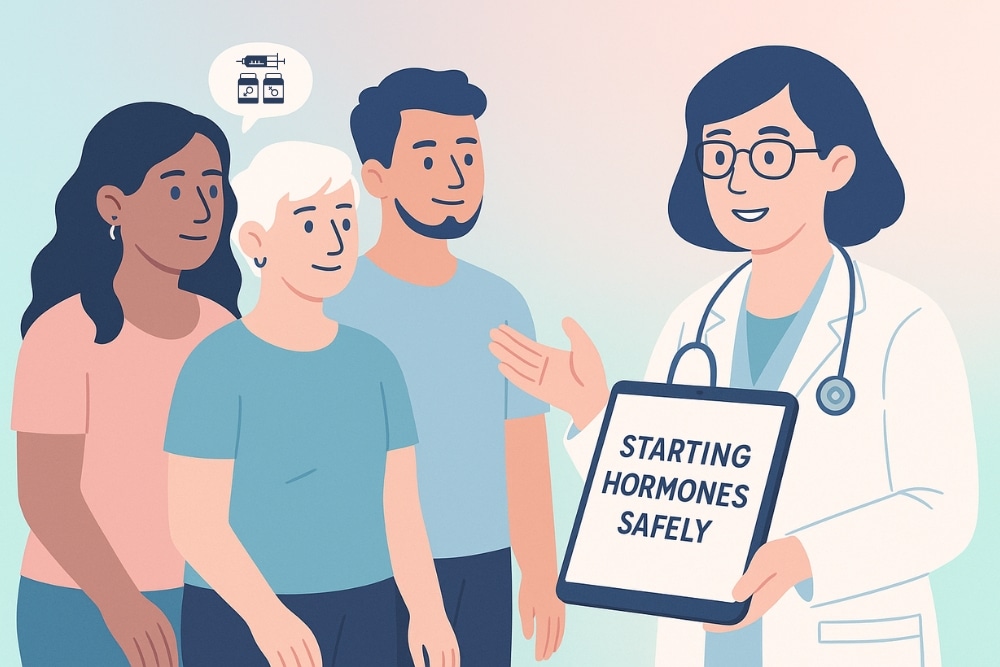
Contents
List of Contents
- Understanding Safety & Awareness in Gender-Affirming Care
- Common Challenges Faced by Transgender Individuals
- What Changes After Starting Hormones?
- What to Know Before Starting Hormones
- The Main Goals of Gender-Affirming Hormone
- Where Can You Access Hormone Therapy?
Starting Hormones: Understanding Safety & Awareness in Gender-Affirming Care
Public perceptions of hormone therapy often lean toward the idea that taking hormones—or undergoing any form of gender-related medical transition—is primarily for beauty enhancement rather than legitimate medical care. In reality, hormone therapy is deeply rooted in science and must be supervised by professionals with medical knowledge, clinical expertise, and experience. A recent survey of transgender women in Thailand revealed that there are over 300,000 individuals identifying as trans women — a significant population. However, data on transgender men remain limited due to gaps in record-keeping and demographic studies.
Common Challenges Faced by Transgender Individuals
One of the most common issues faced by transgender people is the lack of access to accurate information about self-care and safe transition practices. Transgender women, in particular, are considered a vulnerable group in terms of overall health outcomes, often due to stigma and discrimination in their communities. These social pressures discourage many from seeking regular health checkups or professional guidance, leading to missed opportunities for early prevention and treatment.
This is not just a local issue. The Joint United Nations Programme on HIV/AIDS (UNAIDS) has highlighted that transgender women worldwide face similar barriers caused by prejudice and the lack of accessible, affirming health education.
Today, gender-affirming hormone therapy serves not only to help align one’s physical body with their gender identity but also to improve mental well-being. For many, the distress of seeing their physical appearance misaligned with their gender identity (known as gender dysphoria) can deeply affect daily life. Hormones, therefore, play a vital role in both physical transformation and emotional healing.
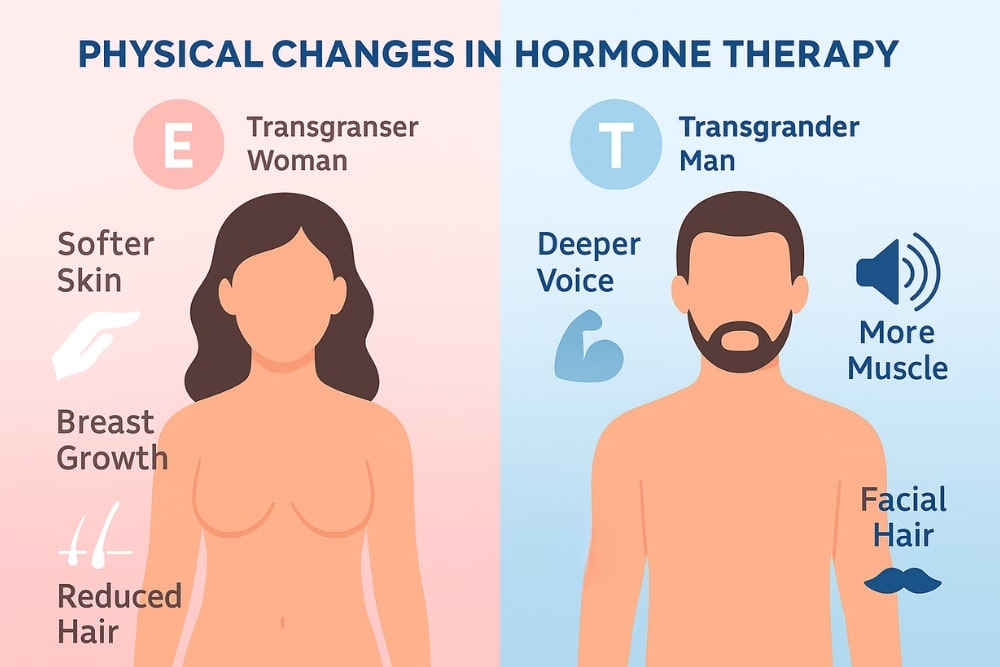
What Changes After Starting Hormones?
- For Transgender Women, estrogen and anti-androgen therapy help reduce muscle mass, soften the skin, slow facial and body hair growth, and stimulate breast development — creating a more feminine physique.
- For Transgender Men, testosterone therapy typically results in deeper voice, increased muscle mass, body and facial hair growth, and a reduction or cessation of menstruation.
These physical changes often bring a sense of relief and confidence, helping individuals feel more comfortable in their own bodies and improving overall mental health.
What to Know Before Starting Hormones
Hormone therapy should never be started without a clear understanding of its effects and risks. Hormones directly influence multiple systems of the body, and every individual has unique health considerations such as age, underlying conditions, or pre-existing diseases. These factors can turn hormone use into a “double-edged sword” if not properly managed.
The Main Goals of Gender-Affirming Hormone Therapy
- To suppress the body’s original sex hormones, reducing secondary sex characteristics that do not match one’s gender identity.
- To develop physical traits aligned with one’s identified gender.
Before beginning hormone therapy, a psychosocial assessment should be performed by qualified health professionals, along with informed consent from the patient. The following criteria are commonly considered:
- A confirmed diagnosis of gender dysphoria
- The ability to make informed decisions and give consent
- Meeting the minimum legal age requirement as per national regulations
- Stabilized or managed pre-existing medical or mental health conditions
In some cases, healthcare providers may use their professional judgment beyond strict criteria to determine the most suitable care plan for the individual. This highlights the importance of competent and compassionate medical professionals in guiding transgender individuals through safe hormone use.
Age is also an essential factor. For younger transgender individuals, collaboration between the patient, healthcare provider, parents or guardians, and relevant specialists (such as pediatric endocrinologists) is crucial. Hormones can have long-term effects on fertility, brain development, and behavior, and decisions should be made carefully with the child’s well-being as the top priority.
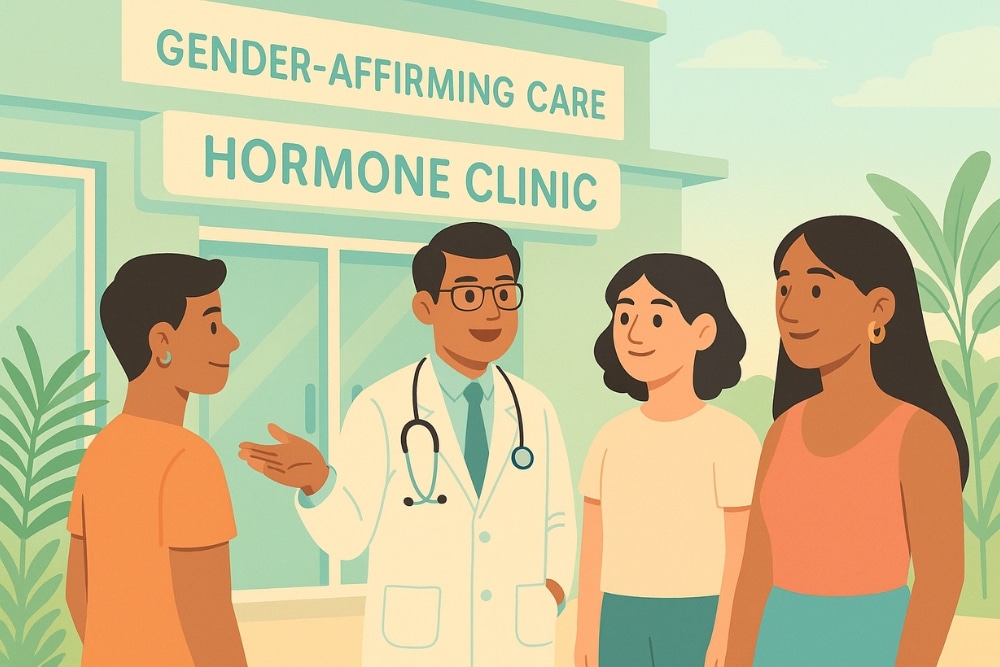
Where Can You Access Hormone Therapy?
In Thailand, many hospitals and clinics now provide safe and ethical hormone therapy for transgender individuals. A well-known example is the Chulalongkorn University Medical Program, which focuses on both medical safety and comprehensive transgender healthcare. Across the country, public and private clinics also offer gender-affirming services. These services help transgender people live confidently, stay healthy, and feel happy as their true selves.
Related Article- Conversion Therapy Explained: The APA’s Perspective
- Equal Health Access – Hormone Therapy Under Gold Card
Hormone therapy is a medical process that involves taking or injecting sex hormones. It helps alter physical characteristics so they align with a person’s gender identity. This treatment is most commonly used by transgender individuals who want their bodies to match their true gender expression. Sex hormones such as testosterone and estrogen are produced naturally by the endocrine glands. They control traits like body hair, voice, body shape, and menstrual cycles. Testosterone mainly drives masculine features, while estrogen promotes feminine ones.
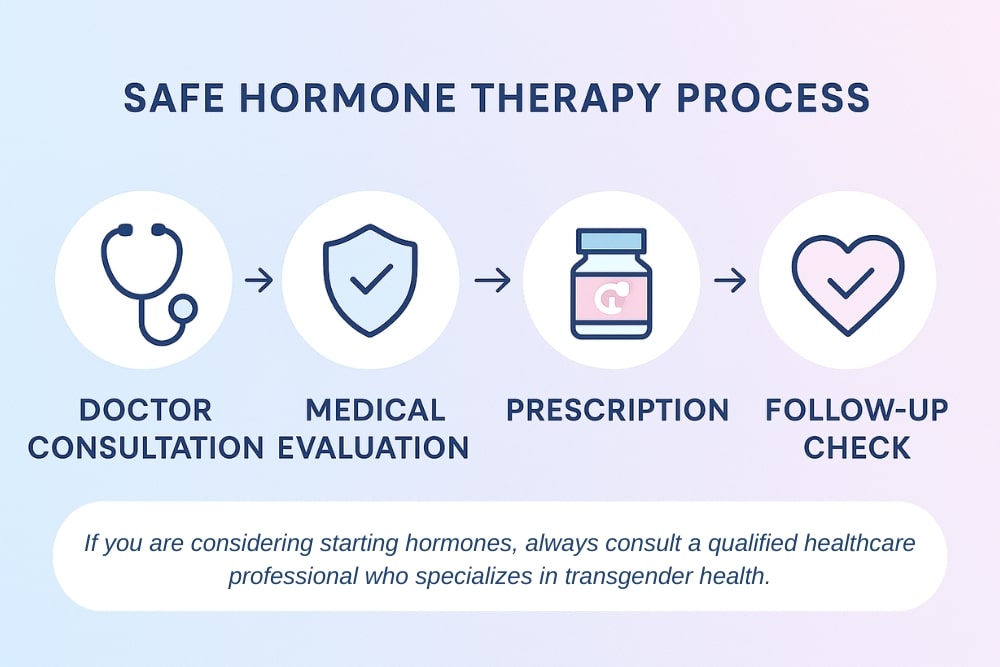
If you are considering starting hormones, always consult a qualified healthcare professional who specializes in transgender health. Professional guidance ensures that your transition journey is safe, informed, and affirming — supporting both your physical and emotional well-being.
References:- How do transgender people take hormones?
- Important things transgender people should know before starting hormone therapy
- Thinking about taking hormones? Here's how to do it safely
Verified references
Links and relevance to the article’s main topic were reviewed on 13 August 2026. Each source supports only the scope stated in the original document and does not replace personalised medical, legal, or service advice.
- WHO: Guideline development for trans and gender-diverse health Accessed 13 August 2026
- สปสช.: บริการสุขภาพสำหรับชุมชน LGBTQ+ Accessed 13 August 2026