Understanding the Window Period: The Time When HIV Cannot Yet Be Detected, and How to Protect Yourself
The window period, put simply, is the span of time during which someone exposed to HIV has already contracted the virus but it still cannot be detected.
อ่านภาษาไทย
Contents
The window period, put simply, is the span of time during which someone who is at risk of HIV has already contracted the virus but it still cannot be detected. So, if you have a chance of having been exposed, you certainly will not be able to detect the virus within the first 2–3 days. This is why it is important to understand the meaning of the window period correctly, so that you can get an HIV blood test and receive an accurate result.
What Is the Window Period?
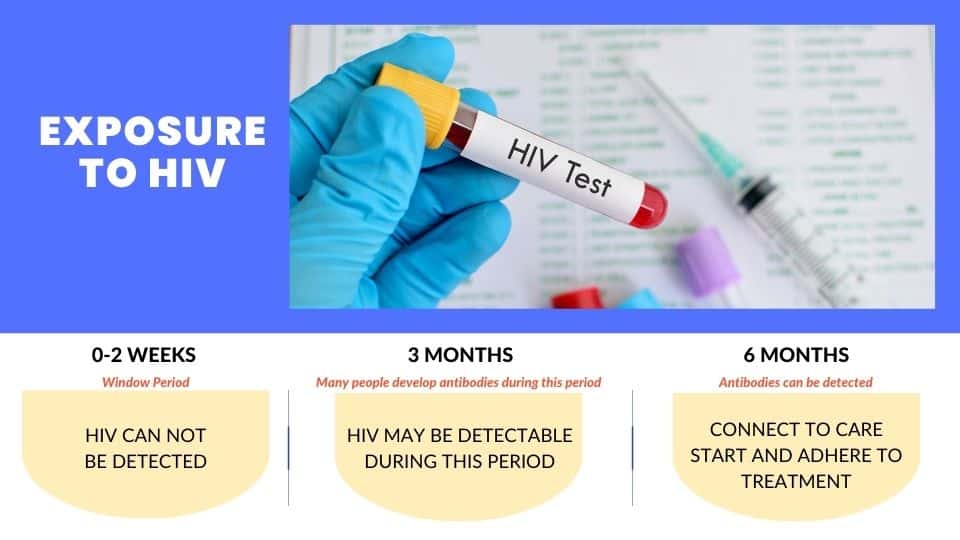
The window period is the span of time during which you may already have contracted HIV. When the body is exposed to HIV, it goes through a process of building immunity, or antibodies, against the virus, which takes about two weeks to three months. During this time we still cannot detect the virus. For example, if you have sex without a condom on the 1st of the month but get a blood test on the 3rd, that result cannot tell for certain whether or not you are infected; you would need to test again after the window period.
HIV Testing Methods by Window Period
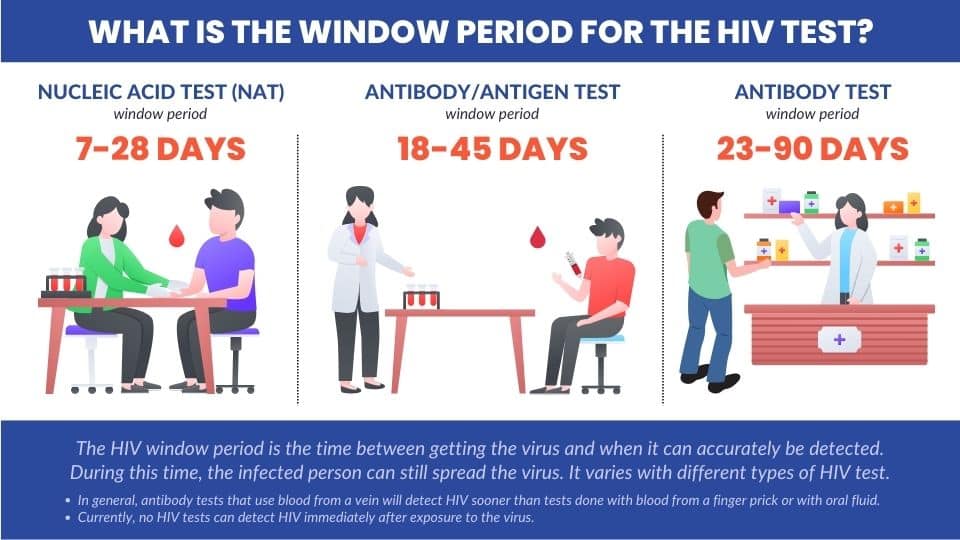
Today, HIV testing comes in several different methods, which can be categorized by the window period as follows:
| HIV testing method | Incubation period | Time to results |
|---|---|---|
| Nucleic Acid Test: NAT | 5–7 days | 5 days |
| Anti-HIV, 4th-generation reagent | 14 days | 1 day |
| Anti-HIV, 3rd-generation reagent | 21 days | 1 day |
| HIV self-test kit | 21 days – 3 months | 1 minute |
How Many Days Until the Window Period Is Reliable?
In most cases, a doctor or staff member will recommend testing for HIV at an incubation period of one month, at which point the virus can already be found. The important thing is that we first need to know which day the exposure happened. Some people forget or cannot recall when the exposure occurred, which can make a blood test inaccurate or make it reflect something other than the most recent exposure. This is because everyone's body is different; some people may detect the virus later, or earlier, than others.
Because each person's immune response is different, if you have another exposure while waiting to test, you must push the timing out to match that most recent exposure. It is recommended to test again at 3 months, at which point the blood result is considered accurate.
Can HIV Be Transmitted During the Window Period?
The incubation period is certainly a time to be careful, because you may be a carrier who can transmit HIV. It is comparable to the latent stage of the disease and is when the virus can be passed on most easily. It is best to avoid additional risk during this period—for example, refraining from sex, from changing partners, or from other risky behaviors—until you have completed your blood test. Then you can plan your next steps if HIV really is detected, and if no virus is found, you can protect yourself and stay free of the disease going forward.
Why Do You Need to Retest?
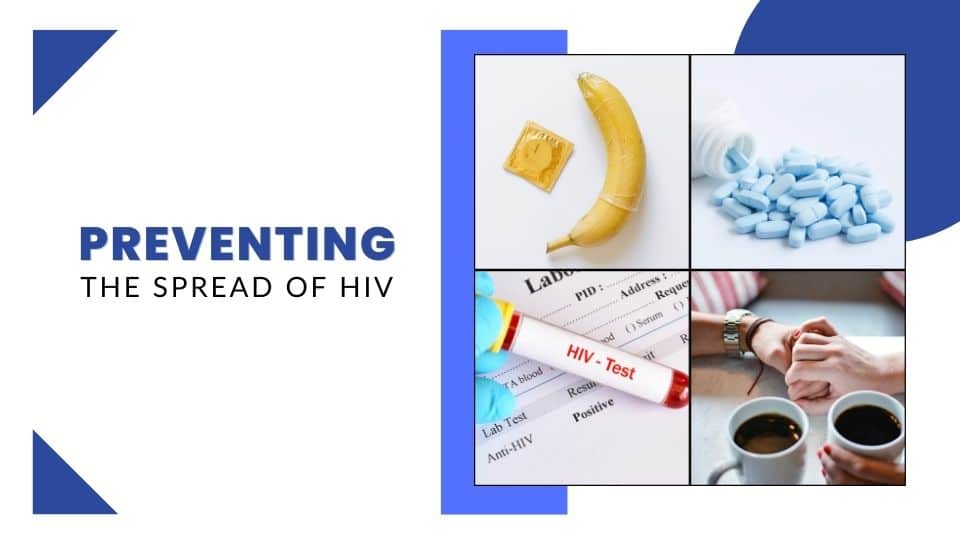
Retesting for HIV, as mentioned above, relates to the virus's incubation period, which may cause a blood result to come back negative and lead many people to mistakenly believe they are not infected with HIV. Seen another way, that negative result may fall within the period when antibodies to HIV are still not plentiful enough to detect the virus. Therefore, retesting at 3 months helps confirm for certain whether or not you have HIV.
The Benefits of HIV Testing
HIV testing has several important benefits for your health and for disease prevention, as follows:
- Knowing your own health status: HIV testing lets you know whether or not you have HIV, an important step in caring for your sexual health and preventing transmission to others.
- Starting treatment sooner: If HIV is detected, you can begin treatment right away. Early treatment helps slow the progression of the virus and reduces the risk of developing AIDS, and it also helps the immune system work better.
- Preventing transmission to others: Knowing your own HIV status lets you take preventive measures, such as using condoms or receiving antiretroviral therapy (ART), which can reduce the amount of virus in the blood to an undetectable level, effectively lowering the chance of passing it to a partner.
- Confidence in relationships: For couples, HIV testing can help build trust in the relationship, ease worries about transmission, and open the door to talking about safer sexual health.
- Planning for the future: Knowing your HIV test result helps you plan your life and health over the long term, especially for those who want to start a family or have children.
- Reducing stigma and raising awareness: Getting tested for HIV is part of building a society that is more accepting and understanding of the condition, reducing the stigma and fear associated with HIV.
In summary, if you have read this far, you now understand within how many days after a possible exposure we should get tested for HIV. I hope everyone will keep in mind the importance of testing for HIV at the right time, because the sooner we know our own HIV status, the sooner we can begin treatment.
What's more, the government now makes it possible for Thai people to test for HIV free of charge twice a year at hospitals under their health-insurance rights; those with social security rights can also get tested for HIV at no cost. You can also easily find an HIV testing site near you through this link: love2test.org/th/clinic. When access to HIV testing becomes easier, it brings many more benefits and helps reduce the number of new infections in Thailand.
Verified references
Links and relevance to the article’s main topic were reviewed on 13 August 2026. Each source supports only the scope stated in the original document and does not replace personalised medical, legal, or service advice.
- CDC: Getting Tested for HIV Accessed 13 August 2026
- กรมควบคุมโรค: แนวทางตรวจ HIV/ซิฟิลิส/HBV/HCV พ.ศ. 2568 Accessed 13 August 2026
- WHO: HIV and AIDS fact sheet Accessed 13 August 2026