Sexually Transmitted Diseases (STDs): Causes, Symptoms, Prevention, and Treatment
Sexually transmitted diseases (STIs) have a major impact on the physical health of millions of people around the world, which makes understanding them…
อ่านภาษาไทย
Contents
Sexually transmitted diseases (STIs) have a major impact on the physical health of millions of people around the world. Understanding what sexually transmitted diseases are, how they are transmitted, their symptoms, and the options available for prevention and treatment is essential for promoting healthy sexual practices and reducing the spread of these infections. This article aims to be a clear guide to everything related to sexually transmitted diseases.
Choose STI testing that fits your situation
* Prices and free services vary by provider. Please check the details before booking.
View testing locations
Find STI testing near you and get care early
* Prices and free services vary by provider. Please check the details before booking.
Find STI testing
 Sexually transmitted diseases are not as frightening as you might think, as long as you are always mindful about protecting yourself — by having safe sex, not changing partners often, avoiding sex with someone who has an infection, and getting screened for sexually transmitted diseases regularly. This alone will surely keep you far away from sexually transmitted diseases.
What are sexually transmitted diseases (STIs)?
STI stands for Sexually Transmitted Diseases — diseases passed from person to person through sex without a condom, whether vaginal, oral, or anal. Sexually transmitted diseases can be caused by bacteria, viruses, fungi, or parasites. The symptoms of an STI can vary depending on the type of pathogen involved.Common sexually transmitted diseases
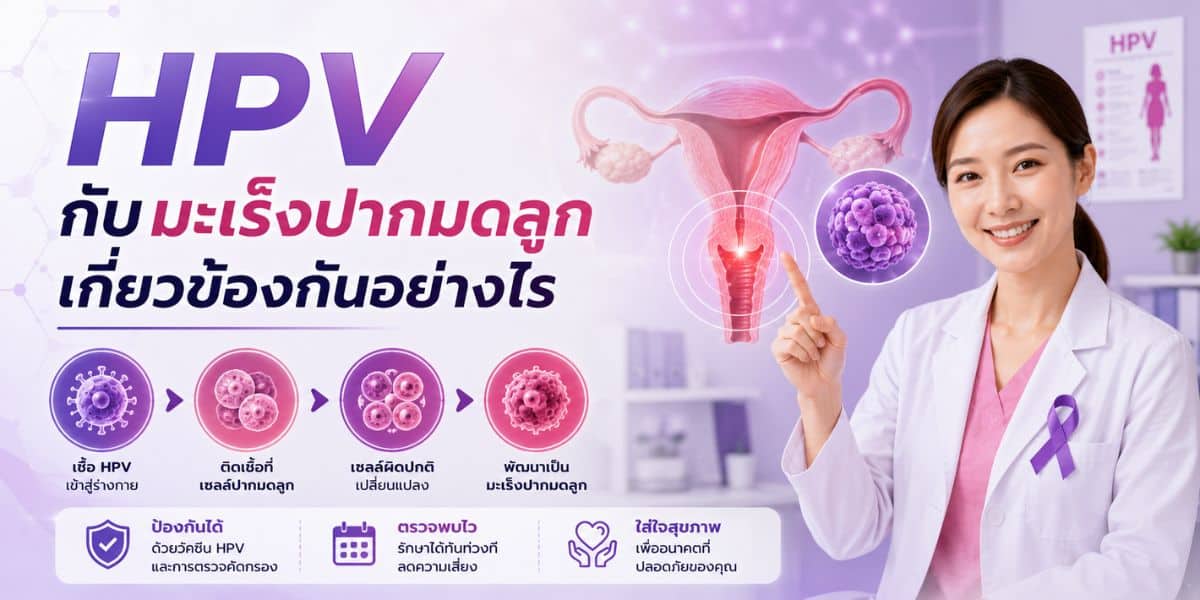
Chlamydia is a sexually transmitted disease caused by the bacterium Chlamydia trachomatis. Its most common symptoms are painful urination, frequent urination, and abnormal discharge. If left untreated, it can lead to serious complications. Gonorrhea is a sexually transmitted disease caused by the bacterium Neisseria gonorrhoeae. Symptoms usually appear within a week of the infection entering the body. The most common symptoms are painful urination, frequent urination, and pus discharge from the genitals, although some people may have no symptoms at all. Herpes is an infection caused by the herpes simplex virus (HSV). It can cause blisters on the mouth, lips, or genitals. Herpes can be transmitted through contact with the blisters or with secretions from an infected person. Herpes is treatable but cannot be cured completely, and people with herpes may have recurrent flare-ups when certain factors trigger them. Syphilis is a sexually transmitted disease caused by the bacterium Treponema pallidum. It can be transmitted through contact with a syphilis sore or with secretions from an infected person. Syphilis is treatable, but if left untreated it can cause severe complications. HPV, or human papillomavirus, is a virus that causes a type of sexually transmitted disease and is found in both men and women. HPV can be transmitted through direct skin-to-skin contact or through contact with genital fluids such as semen, secretions, or blood. There are more than 100 strains of HPV, some of which can cause warts, genital warts, and certain cancers. HIV, or human immunodeficiency virus, is a virus that destroys the body's immune system, leaving the body weak and prone to other infections. There is currently no cure for HIV, but it can be controlled with antiviral medication that lowers the level of the virus in the blood. If left untreated, it can progress to AIDS, which is life-threatening.What are the symptoms of sexually transmitted diseases?
The symptoms of sexually transmitted diseases (STIs) can vary depending on the type of pathogen and the site of infection. Common symptoms of STIs include:- Chlamydia often causes painful urination, frequent urination, and abnormal discharge.
- Gonorrhea often causes painful urination and pus discharge from the urethra or vagina.
- Herpes appears as blisters, usually found on the mouth, lips, or genitals.
- Syphilis may cause no symptoms in its first stage; in the second stage it may cause a rash and flu-like symptoms; and in the third stage it may cause severe conditions such as heart disease and brain disease.
- HPV has more than 100 strains, some of which can cause warts, genital warts, and certain cancers.
- HIV may cause flu-like symptoms in its early stage and no symptoms during the latent stage; in the AIDS stage it may cause weight loss, fatigue, chronic fever, diarrhea, and pneumonia, along with severe immune deficiency that makes it easy to catch other infections.
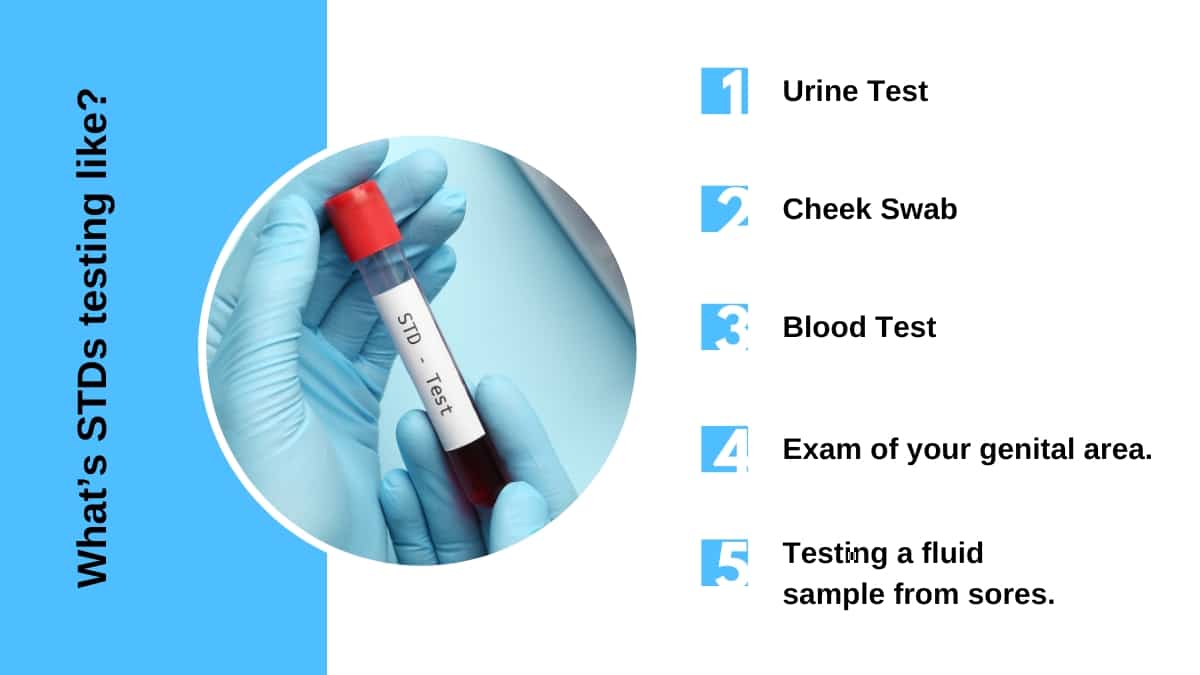
Diagnosing sexually transmitted diseases
- Blood test
- Urine test
- Testing of secretions
- Physical examination
Complications of sexually transmitted diseases (STIs)
The complications of each disease can differ depending on the type of disease, as follows: Chlamydia — complications include pelvic inflammatory disease, blocked fallopian tubes, and infertility. Gonorrhea — complications include pelvic inflammatory disease, blocked fallopian tubes, and infertility. Herpes — if the infection reaches the eye area, it can affect vision. Syphilis — complications include heart disease and dementia. HPV — complications include cervical cancer, anal cancer, and cancer of the mouth and throat. HIV — complications include tuberculosis, opportunistic infections, and AIDS.Treatment of sexually transmitted diseases
Some sexually transmitted diseases can be cured, while others cannot. In general, treatment of sexually transmitted diseases involves antibiotics, antiviral drugs, or other medications. Patients should follow their doctor's instructions closely so that treatment is effective and complications are prevented.Preventing sexually transmitted diseases (STIs)
The best way to prevent sexually transmitted diseases is to abstain from sex. However, if that cannot be avoided, you should use a condom every time you have sex and use it correctly, because condoms can help protect against many sexually transmitted infections, such as syphilis, gonorrhea, chlamydia, herpes, HPV, and HIV. In addition, you can lower your risk of contracting a sexually transmitted disease by:- Having only one sexual partner
- Getting vaccinated against sexually transmitted diseases, such as the hepatitis B vaccine and the HPV vaccine
- Getting screened for sexually transmitted diseases regularly
Sexually transmitted diseases are not as frightening as you might think, as long as you are always mindful about protecting yourself — by having safe sex, not changing partners often, avoiding sex with someone who has an infection, and getting screened for sexually transmitted diseases regularly. This alone will surely keep you far away from sexually transmitted diseases.
Verified references
Links and relevance to the article’s main topic were reviewed on 13 August 2026. Each source supports only the scope stated in the original document and does not replace personalised medical, legal, or service advice.
- CDC: About Sexually Transmitted Infections Accessed 13 August 2026
- CDC: STI Treatment Guidelines Accessed 13 August 2026

Written and reviewed by
Love Foundation Editorial Team
Health and community-rights editorial team
Published 22 September 2023
Last updated 14 August 2026