The Importance of STI Education and Prevention
Sexually transmitted diseases (STIs) pose significant health risks and can have long-lasting consequences.
อ่านภาษาไทย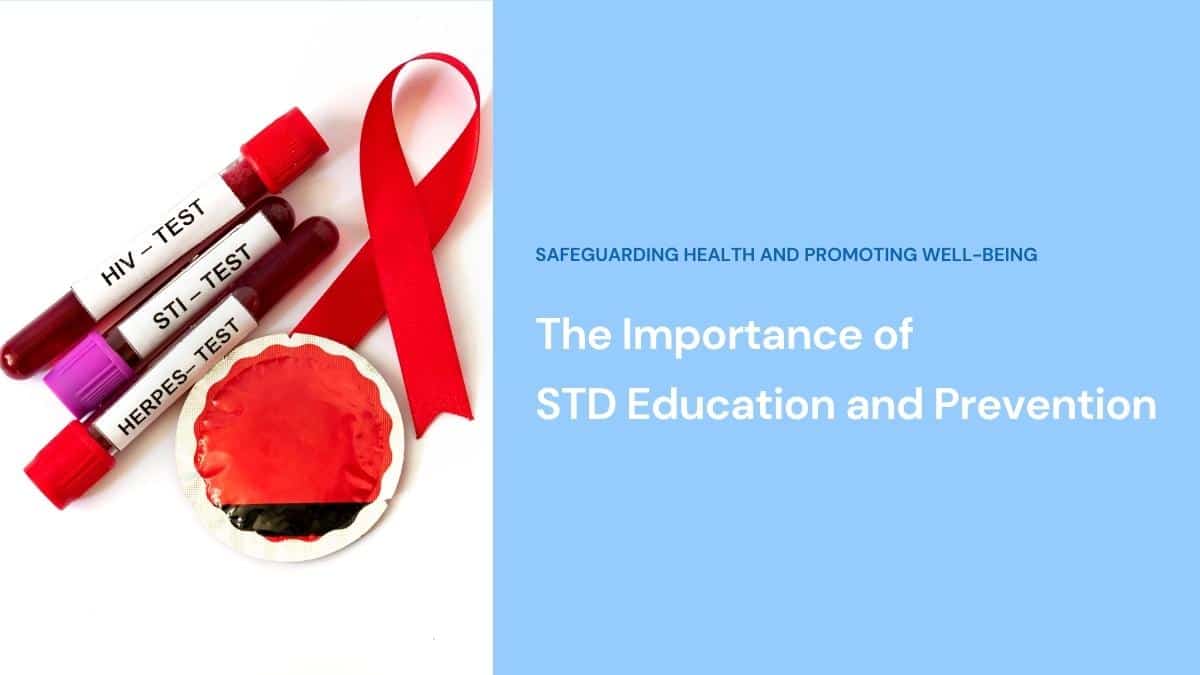
Contents
Sexually transmitted diseases (STIs) pose significant health risks and can have long-lasting consequences. This article highlights the crucial importance of STI education and prevention in promoting personal well-being and public health. By increasing awareness, providing accurate information, and encouraging early detection and treatment, STI education plays a pivotal role in empowering individuals to make informed choices. Effective prevention strategies, including safe sexual practices and open communication, can help reduce the transmission of STIs and minimize their impact on individuals and communities. By emphasizing the significance of STI education and prevention, we can work towards a healthier and safer society.
List of contents
1. Importance of STI Education & Prevention in Maintaining Good Health 2. Overview of Sexually Transmitted Diseases (STIs) 3.Comprehensive Examination of STIs 4.Strategies for Effective STI Prevention 5.Approaches to Ensure Successful STI PreventionImportance of STI Education & Prevention in Maintaining Good Health
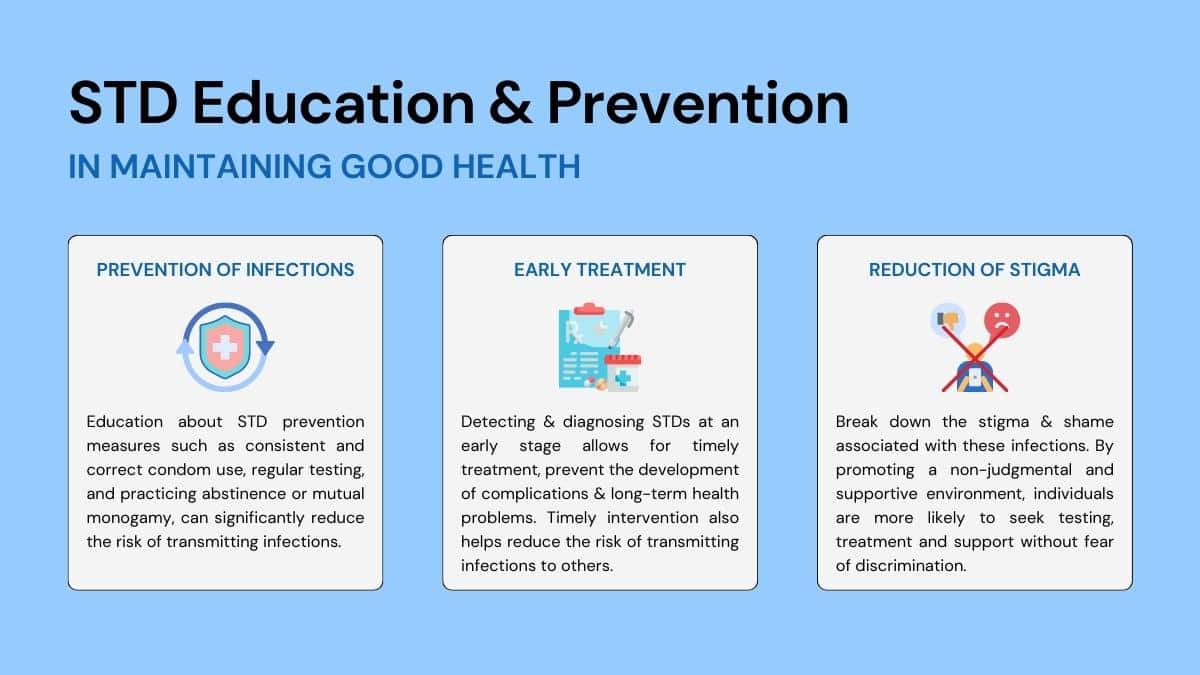
STI education and prevention play a crucial role in maintaining good health for individuals and communities. Here are some reasons why they are important:- Awareness and Knowledge
- STI education provides individuals with accurate and up-to-date information about the various types of sexually transmitted infections. Their transmission methods, symptoms and potential consequences. This knowledge empowers individuals to make informed decisions about their sexual health. Engage in safer sexual practices and seek appropriate medical care.
- Prevention of Infections
- Education about STI prevention measures such as consistent and correct condom use. Regular testing, and practicing abstinence or mutual monogamy, can significantly reduce the risk of acquiring or transmitting infections. Understanding the importance of regular screenings and preventive measures empowers individuals to take proactive steps to protect themselves and their partners.
- Early Detection and Treatment
- STI education emphasizes the significance of early detection through regular screenings. Detecting and diagnosing STIs at an early stage allows for timely treatment, which can prevent the development of complications and long-term health problems. Timely intervention also helps reduce the risk of transmitting infections to others.
- Reduction of Stigma and Shame
- Education and open discussions about STIs help break down the stigma and shame associated with these infections. By promoting a non-judgmental and supportive environment, individuals are more likely to seek testing, treatment, and support without fear of discrimination or social repercussions.
- Empowerment and Self-Care
- STI education empowers individuals to take control of their sexual health and engage in responsible decision-making. By understanding the risks and consequences associated with sexual activities, individuals can make choices that align with their values, preferences, and overall well-being.
- Public Health Impact
- STI education and prevention efforts have a broader impact on public health. By reducing the incidence and prevalence of STIs, these initiatives contribute to overall lower healthcare costs, improved quality of life, and the prevention of long-term complications for individuals and communities.
- Promotion of Healthy Relationships
- STI education fosters communication and promotes healthy relationships based on trust, respect, and open dialogue. It encourages discussions about sexual health, boundaries, and the importance of mutual consent, leading to more fulfilling and safe intimate relationships.
Overview of Sexually Transmitted Diseases (STIs)
Sexually transmitted diseases (STIs), also known as sexually transmitted infections (STIs), are infections that are primarily transmitted through sexual contact. They can affect both men and women and can be caused by bacteria, viruses, parasites, or other microorganisms. Here is a brief overview of some common STIs:- Chlamydia: It is caused by the bacterium Chlamydia trachomatis and can infect the genitals, rectum, and throat. It often has no symptoms but can lead to complications if left untreated, such as pelvic inflammatory disease (PID) in women.
- Gonorrhea: It is caused by the bacterium Neisseria gonorrhoeae and can infect the genitals, rectum, and throat. Like chlamydia, it may not cause noticeable symptoms but can lead to serious complications if untreated, including PID and infertility.
- Syphilis: It is caused by the bacterium Treponema pallidum and progresses in stages. Primary syphilis is characterized by a painless sore (chancre). Secondary syphilis involves a rash and flu-like symptoms and tertiary. Syphilis can cause severe damage to organs, including the heart and brain.
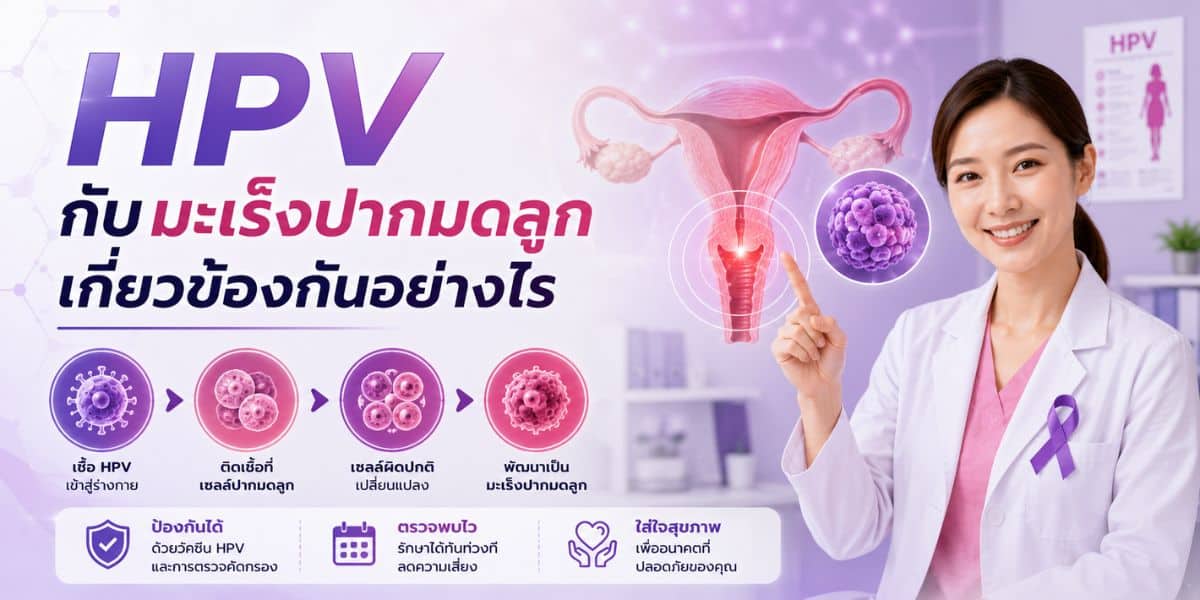
- Human papillomavirus (HPV): It is a group of viruses that can cause genital warts and certain types of cancer, including cervical, anal, and throat cancer. Some strains of HPV have vaccines available for prevention, which help reduce the risk of infection and prevent cancer.
Comprehensive Examination of STIs
- Genital Herpes: It is caused by the herpes simplex virus (HSV) and results in painful blisters or sores on or around the genitals. There is no cure for herpes, but antiviral medications can help manage symptoms.
- Human Immunodeficiency Virus (HIV): It is a virus that attacks the immune system, leading to acquired immunodeficiency syndrome (AIDS). HIV is primarily transmitted through sexual contact or sharing contaminated needles. While there is no cure for HIV, antiretroviral therapy (ART) can help control the virus and prevent progression to AIDS.
- Hepatitis B and C: These are viral infections that primarily affect the liver. They can be transmitted through sexual contact, sharing needles, or from mother to child during childbirth. Chronic hepatitis B and C infections can lead to liver cirrhosis and liver cancer.
Strategies for Effective STI Prevention
To effectively prevent the spread of sexually transmitted diseases (STIs), a combination of strategies should be employed. Here are some key strategies for effective STI prevention: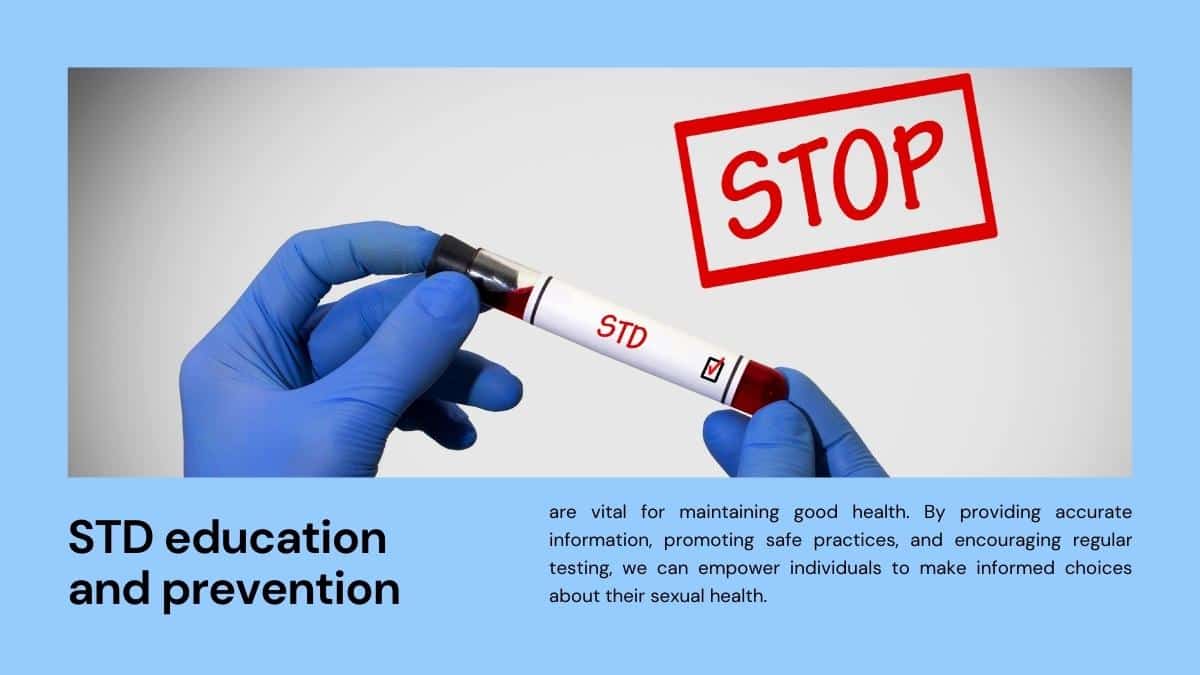
- Comprehensive Sex Education: Implement comprehensive sex education programs that provide accurate and age-appropriate information about sexual health, STIs, contraception, consent, and healthy relationships. Education should focus on promoting responsible sexual behavior, encouraging communication, and teaching skills for risk reduction.
- Promotion of Condom Use: Encourage consistent and correct use of condoms during sexual activity. Condoms provide a barrier that can help prevent the transmission of STIs. Promote access to condoms and educate individuals on proper condom use.
- Regular Testing and Screening: Encourage individuals who are sexually active to undergo regular STI testing and screening. Routine testing helps detect infections early and facilitates timely treatment. It is particularly important for individuals with multiple sexual partners or high-risk behaviors.
- Vaccination: Promote vaccination against STIs such as human papillomavirus (HPV) and hepatitis B. Vaccines can provide significant protection against these infections and related health complications. Ensure access to vaccinations and raise awareness about their benefits.
- Partner Notification and Treatment: Encourage individuals diagnosed with an STI to notify their sexual partners so that they can also seek testing and treatment. Partner notification programs and support services can facilitate this process while maintaining privacy and confidentiality.
Approaches to Ensure Successful STI Prevention
- Harm Reduction for High-Risk Behaviors: Reach out to individuals engaging in high-risk behaviors, such as injection drug use or sex without a condom, with harm reduction strategies. These include providing clean needles, access to naloxone for opioid overdose prevention, and promoting safe sex practices.
- Prevention Programs for Vulnerable Populations: Tailor prevention programs to address the unique needs and challenges faced by vulnerable populations, such as adolescents, LGBTQ+ individuals, sex workers, and people experiencing homelessness. These programs should consider cultural sensitivity, access to healthcare, and social determinants of health.
- Awareness and Destigmatization: Raise awareness about STIs, challenge stigmatizing attitudes, and create supportive environments for individuals seeking testing, treatment, and support. Public health campaigns, media campaigns, and community outreach initiatives can help reduce the stigma associated with STIs.
- Collaboration and Partnerships: Foster collaboration among healthcare providers, community organizations, schools, and policymakers to implement comprehensive STI prevention programs. This collaboration helps ensure a coordinated approach, access to resources, and the sharing of best practices.
- Research and Surveillance: Support ongoing research and surveillance efforts to monitor trends in STI transmission, identify emerging infections, and evaluate the effectiveness of prevention strategies. This data-driven approach enables targeted interventions and program improvements.
Verified references
Links and relevance to the article’s main topic were reviewed on 13 August 2026. Each source supports only the scope stated in the original document and does not replace personalised medical, legal, or service advice.
- CDC: About Sexually Transmitted Infections Accessed 13 August 2026
- CDC: STI Treatment Guidelines Accessed 13 August 2026

Written and reviewed by
Love Foundation Editorial Team
Health and community-rights editorial team
Published 21 October 2024
Last updated 14 August 2026