When National Leaders Join Pride: Reflecting Diversity on the Path to an Equal Society
When national leaders join Pride events, their presence sends a visible message of support for diversity, from Anthony Albanese in Australia to Jacinda…
อ่านภาษาไทย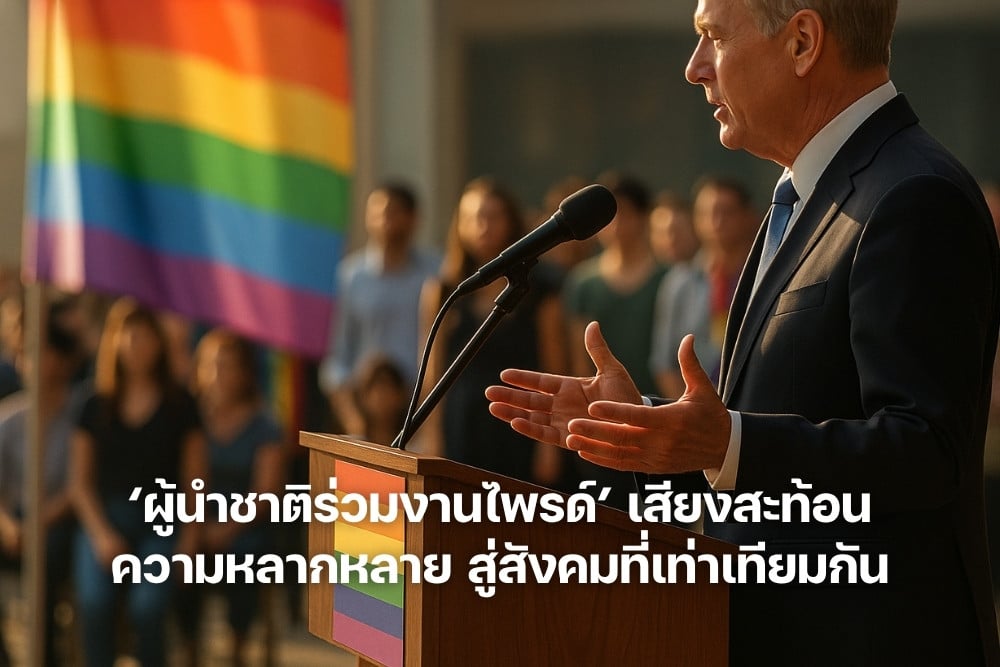
Contents
Prime Minister Anthony Albanese (C) of Australia reacts as he joins the Pride parade at the 45th annual Sydney Gay and Lesbian Mardi Gras on Oxford Street in Sydney, Australia.
Anthony Albanese became the first Prime Minister of Australia to join the Sydney Gay and Lesbian Mardi Gras parade, one of the largest events of its kind in the world. A massive crowd was expected to pack the city's Oxford Street, with more than 12,000 participants and over 200 floats passing through. It was also the first time the parade had been held in its traditional form since 2019, following COVID restrictions.
"This is a celebration of a modern Australia," said Mr. Albanese. He added that it was "a shame" that he was the first leader of the country to march in the parade while in office.
"People want to see that their government is inclusive and represents everyone, no matter who they love, no matter who they are, and no matter where they are."
When national leaders themselves play a role in supporting Pride
It was the first time since the coronavirus outbreak that the Sydney Mardi Gras had been held as a full parade. In addition to the Australian Prime Minister, Penny Wong, the first openly gay woman in the Australian Parliament, also joined the celebration.
The Prime Minister, who had previously walked in the parade as a Member of Parliament, was welcomed with cheers, but critics accused him of pandering to a minority that they claimed was hijacking Australia's social agenda. Barnaby Joyce, an opposition Member of Parliament, criticized Mr. Albanese for attending the celebration instead of addressing the crime crisis in Alice Springs, a remote town in Australia's Northern Territory.
Mr. Albanese was not the only politician to attend the Mardi Gras. Members of other parties, including the Greens and the Liberals, also came out to show their support.
The Mardi Gras parade has been held since 1978 and began as a protest marking the anniversary of the Stonewall riots, an uprising by members of the LGBT community in New York more than 50 years ago.
Over the previous two years, the parade had been held as a contained event at the Sydney Cricket Ground due to the pandemic. This year's event was held in Sydney alongside WorldPride, which promotes LGBTQ+ rights around the world.
Other world leaders who have joined Pride parades in the past include Canadian Prime Minister Justin Trudeau and Jacinda Ardern, the former Prime Minister of New Zealand. Let us look back five years to see what happened when one of the first sitting national leaders to march in a Pride parade chose to step forward in support of gender diversity.
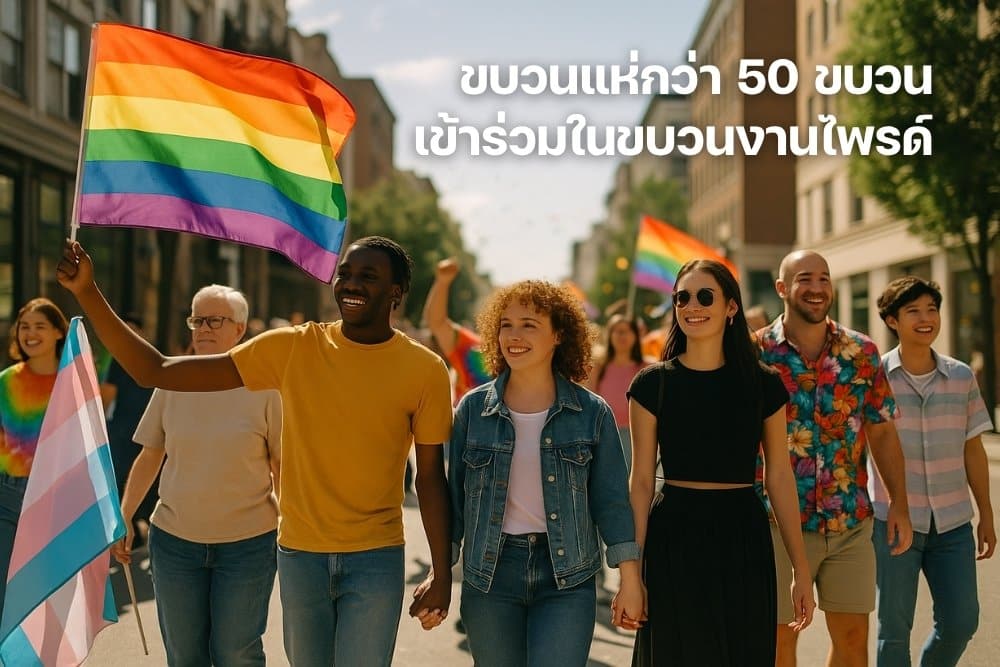
Jacinda Ardern became the first Prime Minister of New Zealand to walk in a Pride parade
The Prime Minister joined a crowd of more than 25,000 people in Auckland and called for greater support for LGBTI people facing mental health challenges. Jacinda Ardern became the first Prime Minister of New Zealand to walk in the country's gay Pride parade.
More than 25,000 people watched the parade in Auckland on Saturday night, cheering as the Prime Minister walked along Ponsonby Road, flanked by her Finance Minister, Grant Robertson, who is gay, and Louisa Wall, an openly gay Labour MP.
Although the Prime Minister did not take part in the more flamboyant costumes, she joined the celebration by dancing, taking selfies with admirers, and hugging members of the crowd.
Ardern said the parade was about "diversity and inclusion." She noted that LGBTQI people in New Zealand still face many challenges, including bullying, mental health issues, and discrimination, though the country's statistics have noticeably improved since this article was first published.
"Ultimately, this is a parade about diversity and inclusion, and I am very proud of the work our team has done over the years, and in our laws, to make that a reality," Ardern told TVNZ.
"But we cannot be complacent. As long as there are children in New Zealand who are LGBTQI, who have mental health issues or high rates of self-harm, that tells us we still have work to do."
Shaughan Woodcock, a producer of the Pride event, told the New Zealand Herald that the Prime Minister's decision to walk in the parade was "very exciting" and a significant step.
"I think the overall message is that we are being led by a progressive government, a government that stands up for every group, not just some," Woodcock said.
"It also sends a clear message that New Zealand is leading on fundamental human rights and human rights for our rainbow community, and that it is time for other countries to step up as well."
Read other related articles
More than 50 floats joined the Pride parade, including floats from the New Zealand Police and Rainbow Teachers.
Their predictions came true. Five years after Jacinda, the former Prime Minister of New Zealand, stepped forward in support of gender diversity, it was as though she had opened the door for leaders in many countries to recognize gender diversity as something that deserves ongoing importance from both governments and the public alike.
In Thailand, too, Mr. Chadchart Sittipunt, the Governor of Bangkok, joined a Pride event in Thailand in 2022 during his first year in office.
Reference: The Guardian, BBC NEWS
Verified references
Links and relevance to the article’s main topic were reviewed on 13 August 2026. Each source supports only the scope stated in the original document and does not replace personalised medical, legal, or service advice.
- OHCHR: LGBT rights fact sheet Accessed 13 August 2026
- Library of Congress: About LGBT Pride Month Accessed 13 August 2026