Molluscum Contagiosum: Symptoms, Causes, Treatment, and Effective Prevention
Molluscum contagiosum is a sexually transmitted infection that spreads easily through skin-to-skin contact.
อ่านภาษาไทย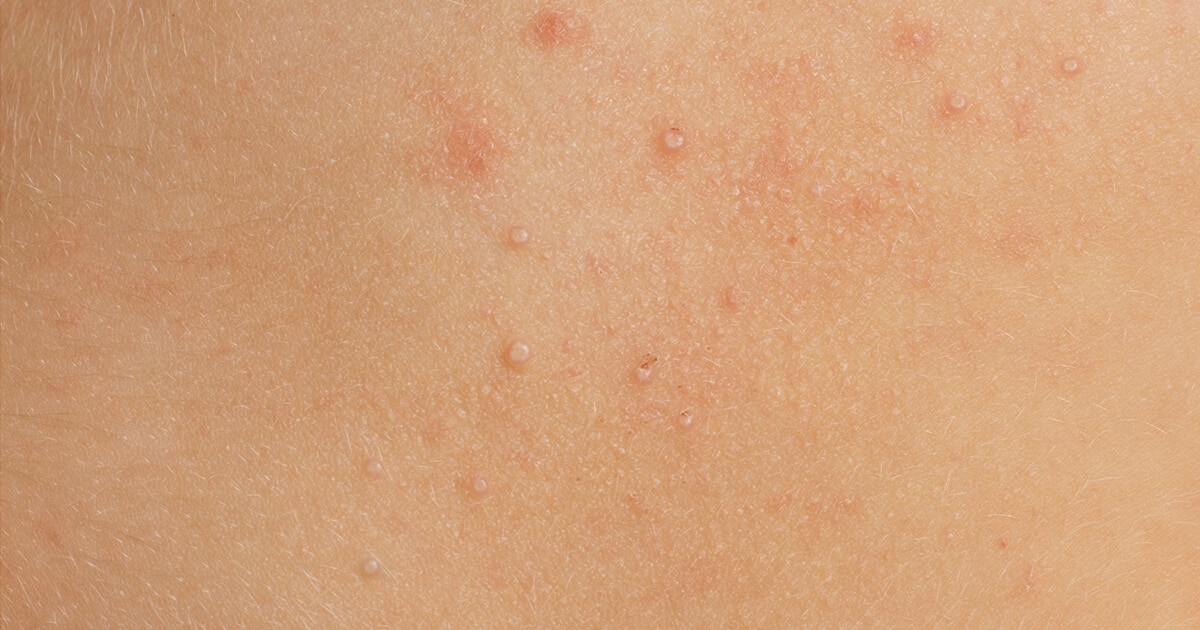
Molluscum contagiosum is a sexually transmitted infection that spreads easily and is seen fairly consistently in the population. This is because molluscum contagiosum is passed only through the skin, by direct contact with the virus. The virus that causes molluscum contagiosum belongs to the Poxviridae family.
That said, molluscum contagiosum is an infection of the outer skin only. In other words, the virus does not enter the body through the bloodstream or the nervous system, so people who have molluscum contagiosum usually do not show any obvious symptoms. There is no fever, no fatigue, and none of the body aches typical of other common sexually transmitted infections.
This infection can be caught mainly through the following routes:
- Contact with skin that has lesions from the infection
- Sex without a condom with someone who has molluscum contagiosum on the genitals or anus
What does molluscum contagiosum look like?
The symptoms of molluscum contagiosum begin with small red spots, which then develop into small red bumps. You may also notice a tiny white core resembling a grain of rice inside them. Some bumps look like inflamed pimples but are painless, and if you squeeze a bump, a thick white material comes out in pellets resembling cooked rice grains, which is why it is nicknamed "cooked-rice wart" in Thai.
The bumps on the skin may appear singly or cluster in groups of up to 20. They have a shiny, smooth surface and may be flesh-colored or pinkish-white, with a dome shape or a dimple in the center. They are commonly found on the face, abdomen, torso, arms, legs, genitals, inner thighs, and skin that is frequently touched or rubbed, such as skin folds. This virus has an average incubation period of about 2 to 7 weeks, and up to 6 months.
Read other related articles:
If you have the symptoms above and suspect that you may have molluscum contagiosum, you should see a doctor for treatment and avoid sex until then. To treat molluscum contagiosum, the doctor draws the white material out of the lesion and applies medication to the bumps to kill the virus and reduce the chance of spreading it. When you first visit the doctor for a diagnostic examination, the choice of the most suitable treatment is at the doctor's discretion, and you should follow the doctor's instructions strictly for the treatment to be effective.
People who do not keep their hands, feet, and genitals clean are at greater risk of catching the infection, especially those who regularly shave their pubic hair. Hair in this area helps protect the genitals from various pathogens and reduces friction during sexual activity, so shaving it off can leave you more prone to sexually transmitted infections. The best approach is to focus on protection by using condoms every time and on keeping clean.
Thank you to the following sources: Health Kapook, Ram Hospital
Verified references
Links and relevance to the article’s main topic were reviewed on 13 August 2026. Each source supports only the scope stated in the original document and does not replace personalised medical, legal, or service advice.
- CDC: About Molluscum Contagiosum Accessed 13 August 2026