


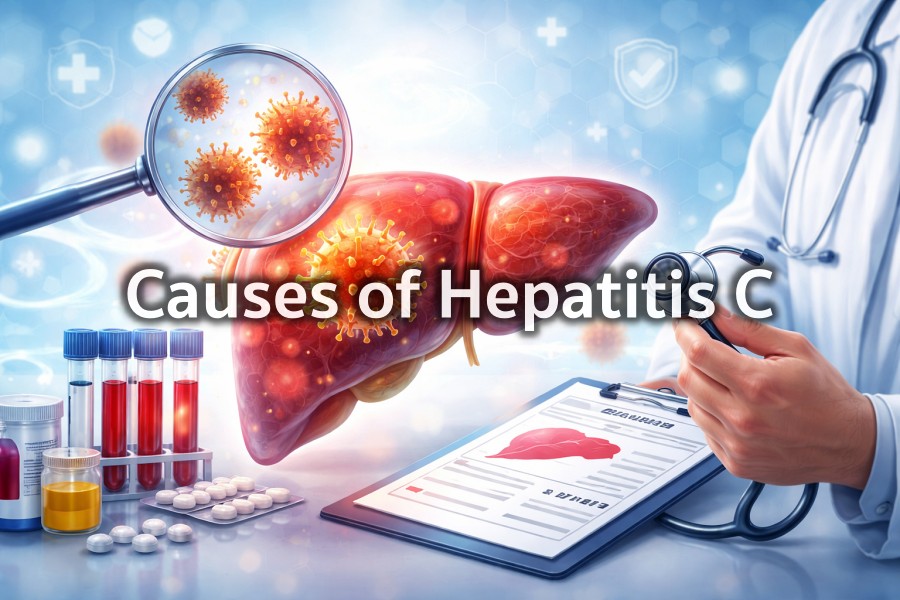
Hepatitis C is a viral infection that primarily affects the liver, causing inflammation and potentially leading to severe liver damage. This silent but insidious disease is a major global health concern, affecting millions of people worldwide. In this comprehensive guide. We will delve into the various aspects of Hepatitis C Understanding, including its causes, symptoms, diagnosis, and treatment options.

Causes of Hepatitis C
Hepatitis C is caused by the hepatitis C virus (HCV), which is primarily transmitted through blood-to-blood contact. The most common modes of transmission include sharing needles among intravenous drug users. Receiving contaminated blood transfusions or organ transplants, and using unsterilized medical equipment. While less common, sexual transmission and mother-to-child transmission during childbirth are also possible. It’s crucial to raise awareness about these transmission routes to help prevent the spread of the virus.
Symptoms of Hepatitis C
Hepatitis C is often referred to as a “silent” or “hidden” disease because many individuals may not experience noticeable symptoms for years. When symptoms do occur. They can range from mild to severe and may include fatigue, jaundice (yellowing of the skin and eyes), abdominal pain, and nausea. Understanding these symptoms is essential for early detection and prompt medical intervention.

Diagnosis of Hepatitis C
Accurate and timely diagnosis of Hepatitis C is crucial for effective management and prevention of complications. Blood tests are commonly employed to detect the presence of the virus in the body. These tests not only confirm the infection but also help determine the genotype of the virus. Which is crucial for tailoring the most effective treatment approach. Routine screenings for individuals at high risk, such as intravenous drug users and those with a history of blood transfusions, play a vital role in early detection.
Living with Hepatitis C
Living with Hepatitis C involves not only medical management but also lifestyle adjustments to support liver health. This includes adopting a healthy diet, avoiding alcohol and certain medications that may stress the liver, and practicing safe behaviors to prevent the spread of the virus. Additionally, regular follow-up appointments with healthcare providers are crucial to monitor liver function and adjust treatment plans as needed.
Treatment Options for Hepatitis C
Advancements in medical research have led to the development of highly effective antiviral medications for treating Hepatitis C. Direct-acting antivirals (DAAs) have revolutionized the landscape of Hepatitis C treatment, offering a cure for many individuals. These medications work by targeting specific steps in the HCV lifecycle, interrupting its ability to replicate and spread. It is essential for individuals diagnose with Hepatitis C to work closely with healthcare professionals to determine the most suitable treatment plan based on factors such as genotype, liver health, and overall health.
Preventing Hepatitis C
Prevention is key to reducing the prevalence of Hepatitis C. Public health initiatives, such as education campaigns, needle exchange programs, and widespread access to testing, are instrumental in preventing new infections. Additionally, screening of donated blood and organs, along with strict adherence to infection control practices in healthcare settings, contribute to minimizing the risk of transmission. Understanding the modes of transmission and taking preventive measures are vital components of global efforts to curb the spread of Hepatitis C.
Hepatitis C is a formidable health challenge that demands attention on both individual and societal levels. Through awareness, education, and access to effective medical interventions, we can work towards reducing the impact of Hepatitis C globally. Early detection, appropriate treatment, and lifestyle modifications empower individuals to manage the disease and lead fulfilling lives. By fostering a comprehensive understanding of Hepatitis C, we contribute to a healthier future for individuals and communities worldwide.
Last Updated on 17/12/2025 by ทีมที่ปรึกษา มูลนิธิเพื่อรัก