HIV and PrEP: The Basics and Benefits
HIV and PrEP basics, safe use and monitoring, and the important fact that PrEP prevents HIV but not gonorrhea, syphilis, or other STIs.
Read article → HIV Test · Get PrEPTH
LOVE FOUNDATION BLOG
Published articles from our original WordPress archive, organised for easier discovery.
HIV and PrEP basics, safe use and monitoring, and the important fact that PrEP prevents HIV but not gonorrhea, syphilis, or other STIs.
Read article →
What is PrEP? A game changer for HIV prevention strategies, PrEP, or pre-exposure prophylaxis, is a medicine that people who do not have HIV can take…
Read article →
Sunlenca treats HIV with other medicines; Yeztugo is US-approved lenacapavir PrEP. Review evidence, use, monitoring, and access in Thailand.
Read article →
Plan PrEP in Chiang Mai: confirm the provider, regimen, HIV tests, total fees and follow-up. Old prices do not establish current free access.
Read article →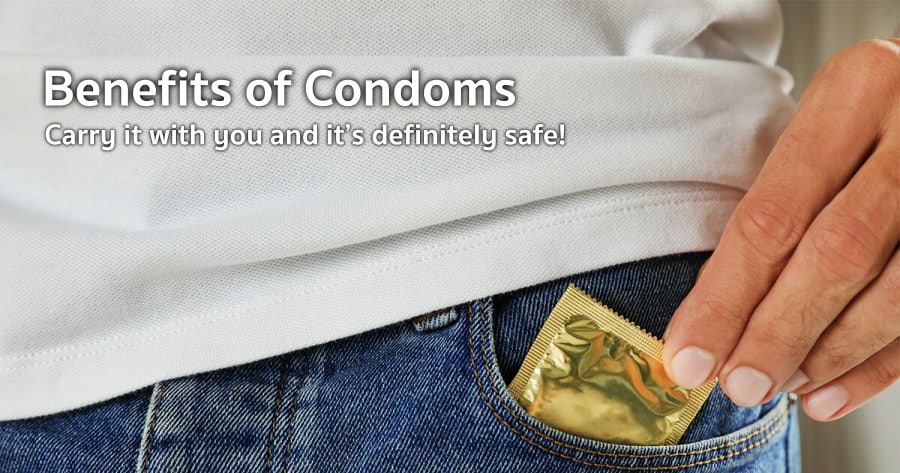
Condoms are not just a method of birth control; they are a cornerstone of sexual health that serves several important purposes.
Read article →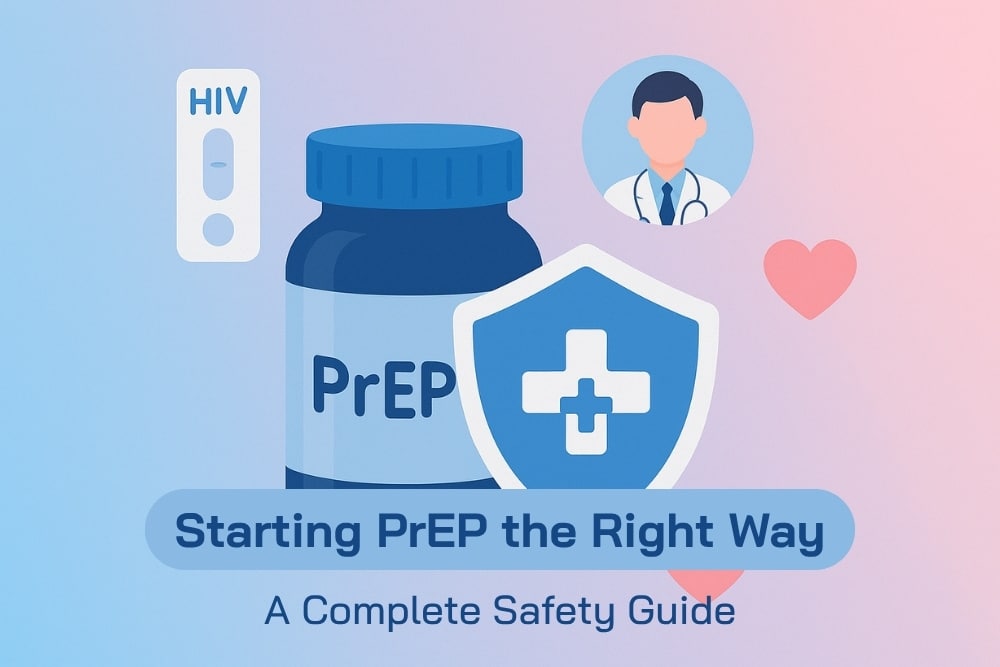
Taking PrEP is currently the most effective way to prevent HIV infection. When you take PrEP, it helps reduce...
Read article →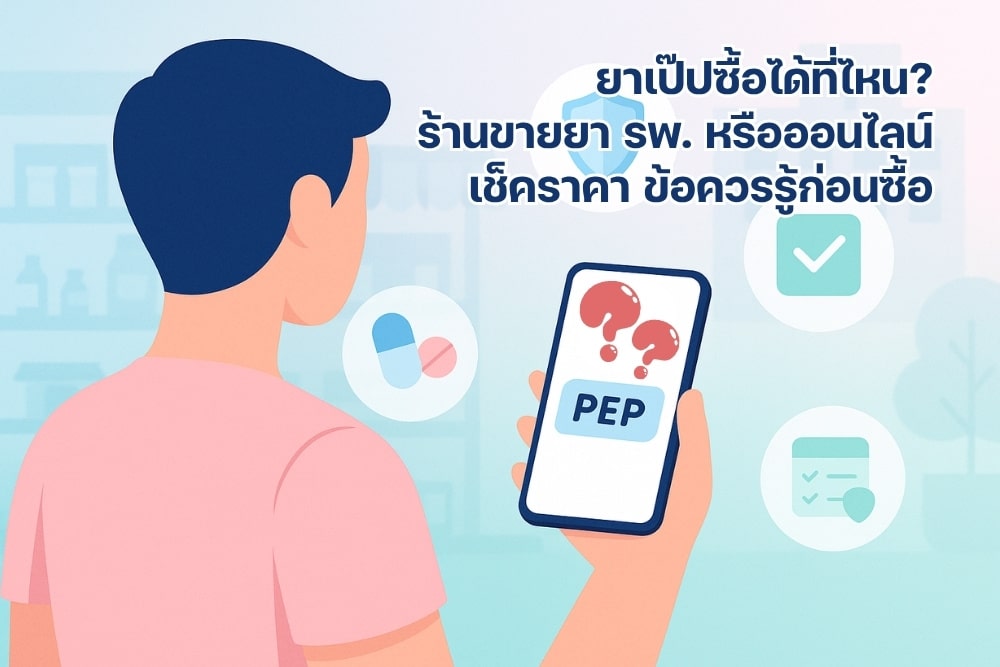
PEP (post-exposure prophylaxis) is one of the newer ways to prevent HIV, meant only for people facing an emergency risk, such as a broken condom.
Read article →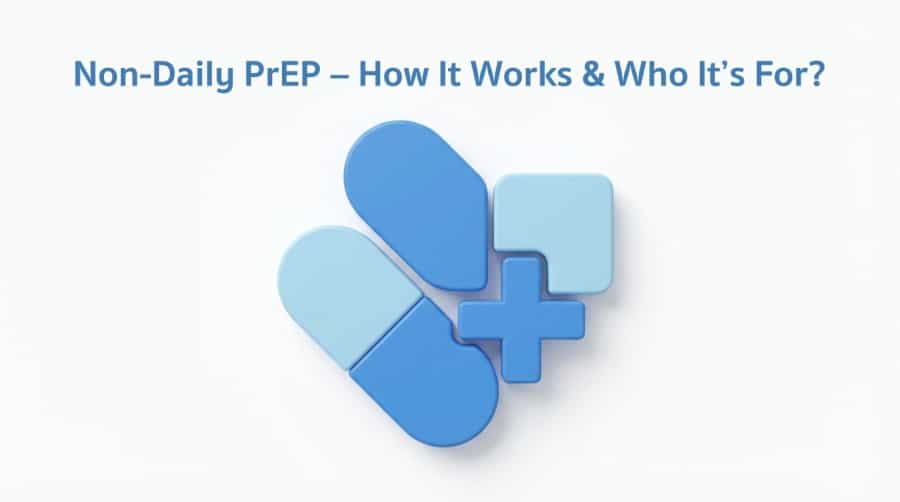
2-1-1 PrEP uses oral TDF/FTC before and after sex on a defined schedule. Evidence is limited to adult cisgender men who have sex with men and can plan sex…
Read article →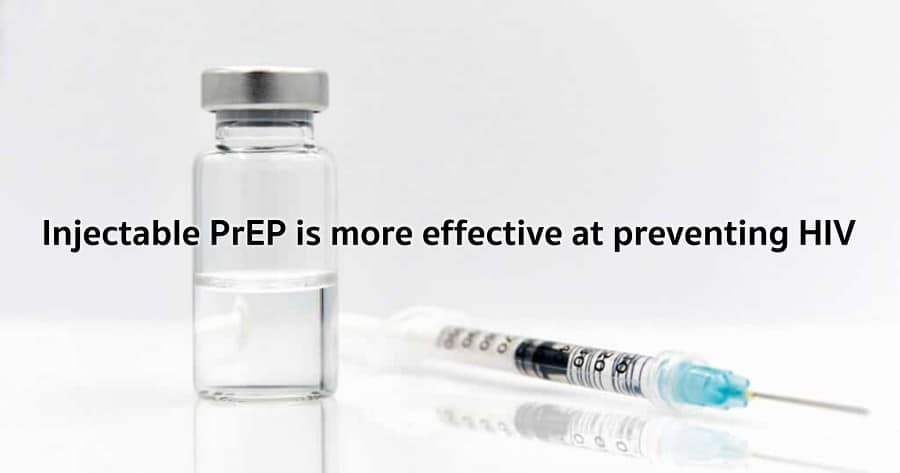
Long-acting injectable cabotegravir is a highly effective PrEP option for people who prefer not to take daily tablets.
Read article →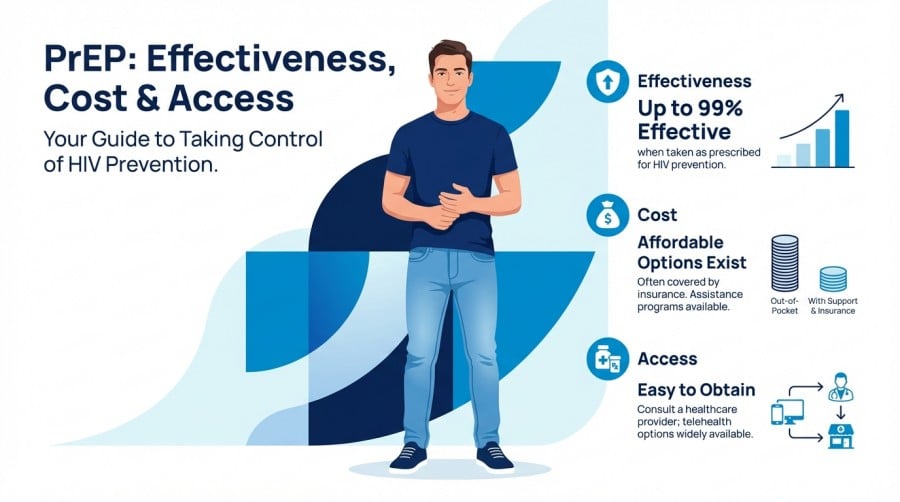
PrEP protects you from HIV infection by using antiretroviral medication in people at risk before they are exposed to the virus.
Read article →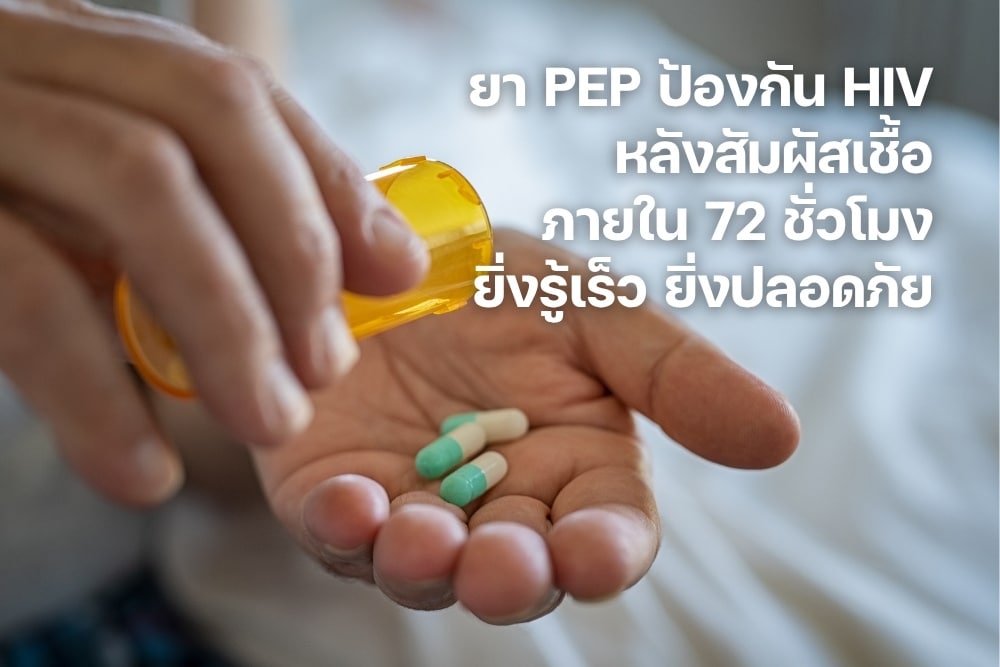
PEP (Post-Exposure Prophylaxis) is an emergency course of antiretroviral medicine for people who do not have HIV and want to prevent infection after…
Read article →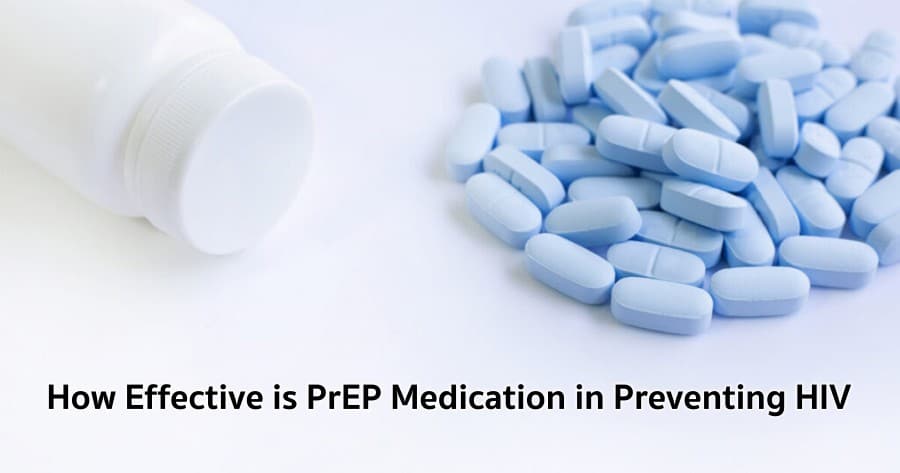
PrEP is highly effective when used as prescribed, reducing sexual HIV acquisition risk by about 99% and risk from injection drug use by at least about 74%.
Read article →