What Is AIDS? HIV, Diagnosis, Treatment, and U=U
AIDS is the most advanced stage of HIV infection; it is not a separate virus. An HIV diagnosis does not mean that a person has AIDS.
อ่านภาษาไทย
Contents
AIDS is the most advanced stage of HIV infection; it is not a separate virus. An HIV diagnosis does not mean that a person has AIDS. Consistent antiretroviral treatment can prevent progression, support immune recovery, and enable a long, healthy life.
How Are HIV and AIDS Different?
HIV is a virus that attacks CD4 cells in the immune system. AIDS is a diagnosis made when immune damage has become severe. A person can live with HIV for decades without developing AIDS when treatment is effective.
How Is AIDS Diagnosed?
AIDS is diagnosed when the CD4 count is below 200 cells/mm3 or when certain AIDS-defining opportunistic infections or cancers occur. Fever, weight loss, fatigue, or diarrhoea have many possible causes and cannot be used to diagnose AIDS without clinical assessment.
Can It Be Treated?
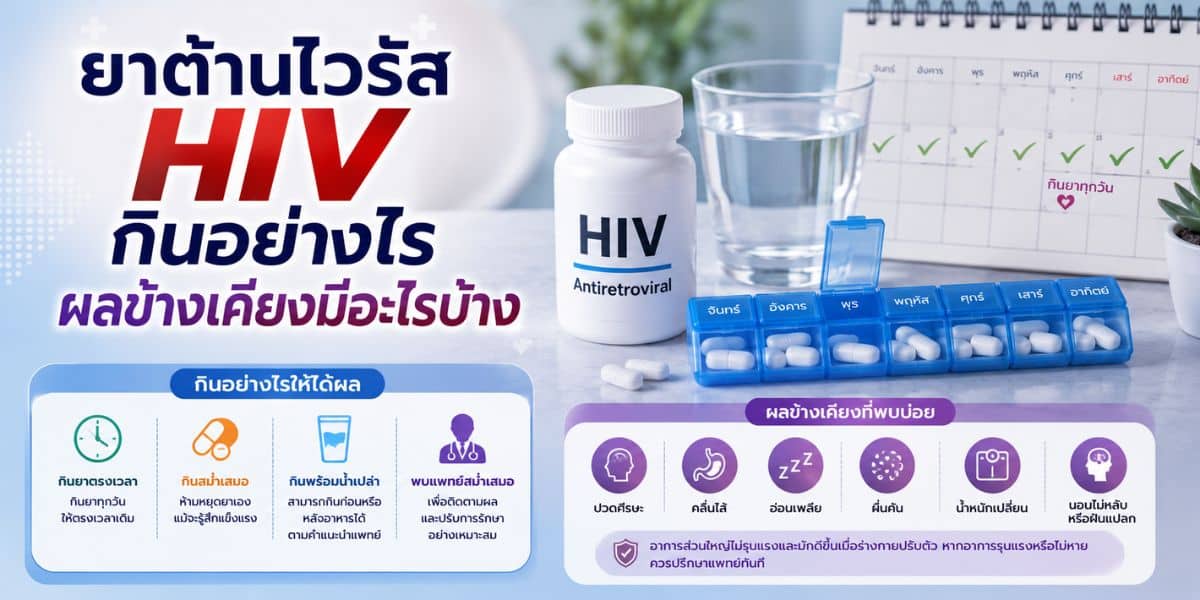
ART treats HIV by suppressing the virus, allowing CD4 recovery, and reducing opportunistic illness. Starting ART after an AIDS diagnosis still provides major benefit. Opportunistic conditions also need treatment or prevention according to the condition and immune status. Historical survival figures from before effective ART must not be used to predict a person's outcome today.
How Does HIV Spread?
Transmission can occur when blood, semen and pre-seminal fluid, rectal or vaginal fluids, or human milk containing HIV reaches a mucous membrane, damaged tissue, or the bloodstream. Main routes are sex when no effective prevention is used and the other person has a transmissible viral load, shared injection equipment, and perinatal exposure without effective care. HIV does not spread through hugging, handshakes, food, toilets, saliva, sweat, or mosquitoes.
U=U
A person taking ART who maintains a viral load below 200 copies/mL does not sexually transmit HIV. This evidence is known as U=U. Viral-load monitoring and continuing treatment as planned are important parts of care.
What Should You Do Next?
A reactive HIV screening result needs follow-up testing and prompt linkage to care. After a possible exposure within 72 hours, seek a PEP assessment immediately. People with ongoing exposure can discuss PrEP. Testing should be confidential and voluntary, and no one should face stigma because of HIV status.
Verified references
Links and relevance to the article’s main topic were reviewed on 13 August 2026. Each source supports only the scope stated in the original document and does not replace personalised medical, legal, or service advice.
- WHO: HIV and AIDS fact sheet Accessed 13 August 2026