What Is Chlamydia? Transmission, Testing, and Treatment
This established URL explains chlamydia, not gonorrhea. Learn why similar symptoms need testing and why antibiotics and follow-up cannot be copied.
อ่านภาษาไทย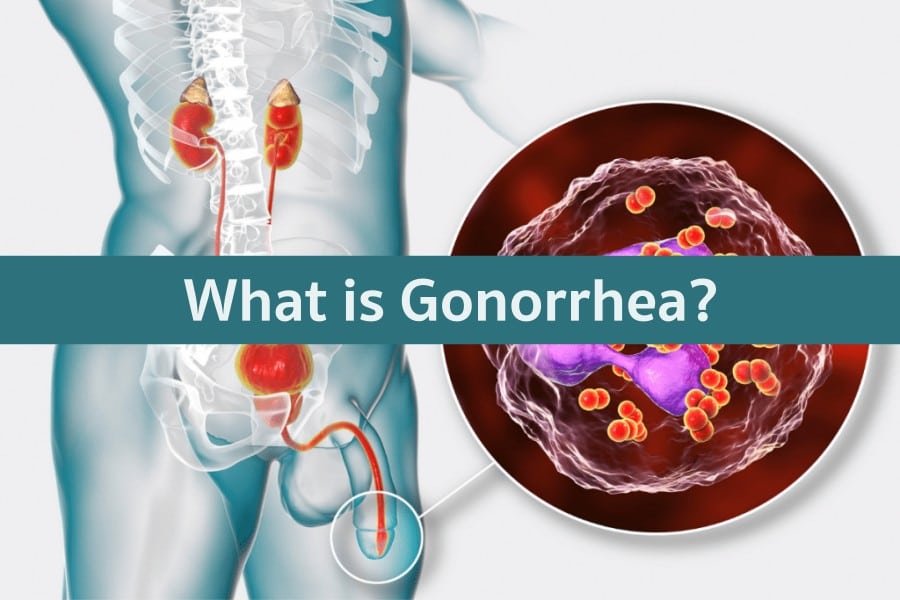
Contents
Are gonorrhoea and chlamydia the same infection?
No. They have different bacterial causes, although symptoms and exposure sites overlap. A provider may test for both. Do not assume that a URL containing gonorrhea changes a chlamydia article into a diagnosis.
Does a urine test exclude throat or rectal chlamydia?
Not necessarily. Testing should match the exposed sites. Ask which organisms and specimen sites are included, and whether repeat testing or a test of cure is needed for the situation.
Can I use the same antibiotics as someone treated for gonorrhea?
No. Regimen choice depends on the identified or suspected infection, pregnancy, site and other factors. Follow the prescription, arrange partner care and ask when to resume sex; do not share medicines or rely on symptoms disappearing.
Sources for these answers
Chlamydia is a sexually transmitted infection caused by Chlamydia trachomatis. It is not caused by Neisseria gonorrhoeae, the bacterium responsible for gonorrhea. The two infections can cause similar symptoms and can occur together, so testing—not symptoms alone—is needed to distinguish them.
How Is Chlamydia Transmitted?
Chlamydia can be transmitted through vaginal, anal, or oral sex and to a baby during childbirth. It can infect the cervix, urethra, rectum, or throat. Hugging, holding hands, sharing toilets, and eating together are not usual routes of transmission.
Possible Symptoms
Many people have no symptoms. Possible signs include unusual discharge, pain when urinating, bleeding between periods, lower abdominal pain, rectal pain or discharge, or discharge from the penis. Symptoms cannot reliably distinguish chlamydia from gonorrhea or another condition.
Testing and Treatment
A provider may use urine or swabs from exposed body sites for a nucleic acid amplification test (NAAT). Antibiotics can cure chlamydia, but the regimen depends on pregnancy, infection site, symptoms, and other factors. Complete the prescribed treatment, do not share medicine, and avoid sex for the period advised. Partners may also need testing and treatment to prevent reinfection.
Possible Complications
Untreated infection can cause pelvic inflammatory disease, chronic pain, ectopic pregnancy, or infertility, and can cause epididymitis in some people. Early testing and treatment reduce these risks. The condition can be serious, but it should not be described as inevitably life-threatening.
Prevention
Use condoms or dental dams, test according to individual risk and guidance, notify partners after a diagnosis, and complete repeat testing when advised. PrEP prevents HIV, not chlamydia. No chlamydia vaccine is currently available for routine clinical use.
Verified references
Links and relevance to the article’s main topic were reviewed on 13 August 2026. Each source supports only the scope stated in the original document and does not replace personalised medical, legal, or service advice.
- CDC: About Chlamydia Accessed 13 August 2026
- CDC: Urethritis and Cervicitis Accessed 13 August 2026