HPV Vaccination for Men: Why It Matters
The administration of the HPV vaccine has been a topic of interest in public health for a long time.
อ่านภาษาไทย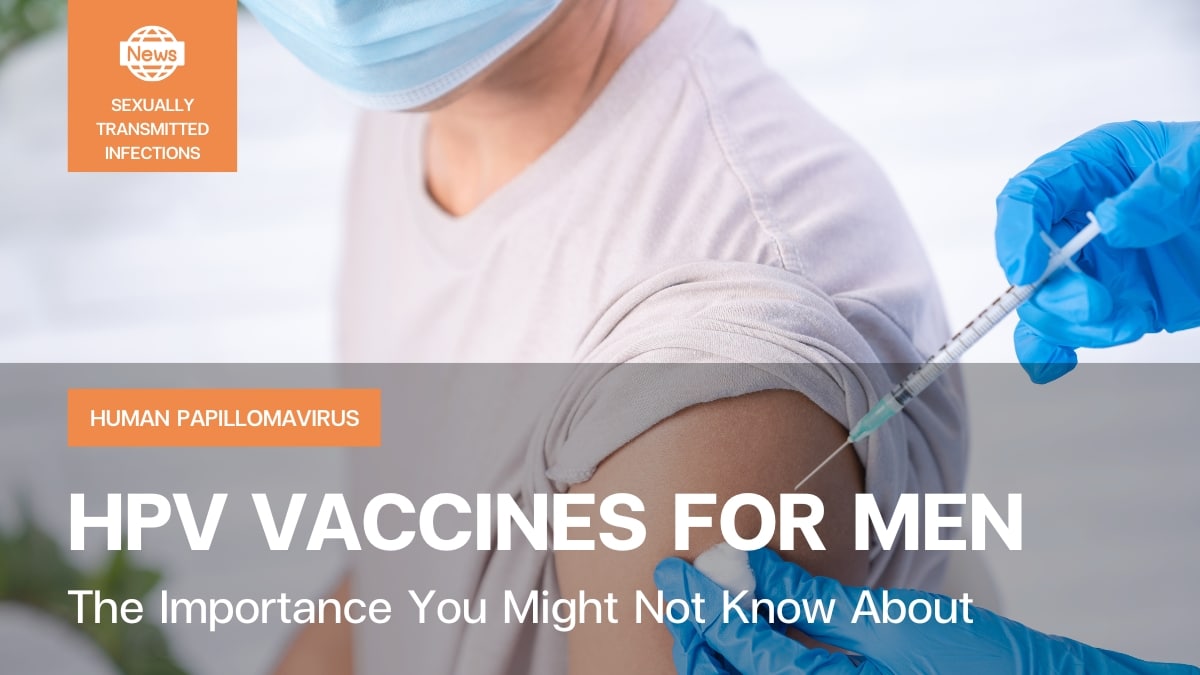
Contents
The administration of the HPV vaccine has been a topic of interest in public health for a long time. However, in the past, it primarily focused on women to prevent cervical cancer. Recently, awareness of the importance of vaccinating men has been growing, especially after China began administering the HPV vaccine to men for the first time on January 9, 2025. This article will explore the significance of HPV vaccination in men, its connection to Thailand, as well as fundamental knowledge about HPV and its impact on men's health.
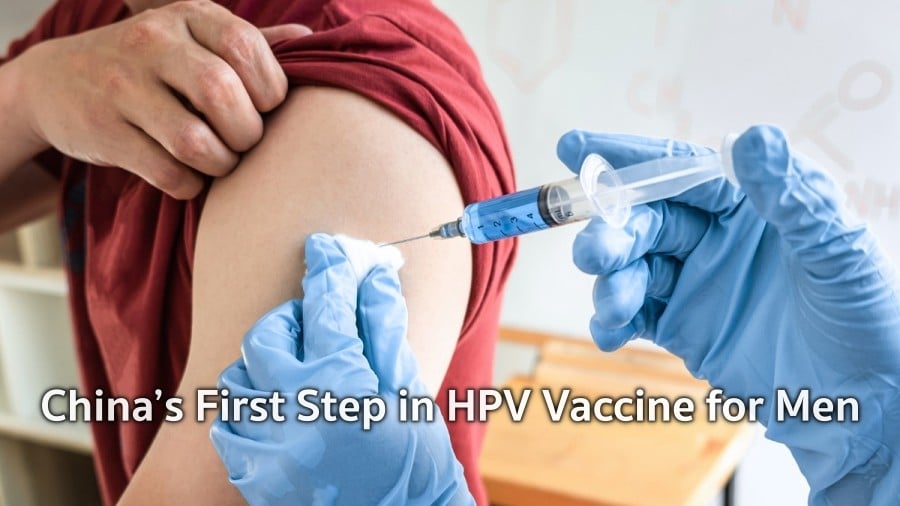 In January 2025, China made public health history by officially launching an HPV vaccination program for its male population. This marked the first time such an initiative was undertaken in the world's most populous country. The program underscores China's commitment to reducing the incidence of diseases related to the HPV virus in both women and men.
The first recipient of the HPV vaccine under this program was in Changsha, Hunan Province. This city was chosen as one of the pilot locations by the Chinese government due to its advanced healthcare infrastructure and high demand for the vaccine. This initiative represents a significant milestone in public health efforts, highlighting China's proactive stance in combating HPV-related diseases nationwide.
In January 2025, China made public health history by officially launching an HPV vaccination program for its male population. This marked the first time such an initiative was undertaken in the world's most populous country. The program underscores China's commitment to reducing the incidence of diseases related to the HPV virus in both women and men.
The first recipient of the HPV vaccine under this program was in Changsha, Hunan Province. This city was chosen as one of the pilot locations by the Chinese government due to its advanced healthcare infrastructure and high demand for the vaccine. This initiative represents a significant milestone in public health efforts, highlighting China's proactive stance in combating HPV-related diseases nationwide.
Find STI testing near you and get care early
* Prices and free services vary by provider. Please check the details before booking.
Find STI testing
Concerned about an exposure or symptoms? Get an STI test
* Prices and free services vary by provider. Please check the details before booking.
Find a testing service
 Related Articles
In Summary
Administering the HPV vaccine to men is a significant step in preventing HPV-related diseases, including anal cancer, penile cancer, and genital warts. China's initiative in launching this program reflects its commitment to improving public health and serves as an exemplary model for other countries, including Thailand. Thailand should place greater emphasis on HPV vaccination for men by enhancing public awareness, improving access to vaccines, and developing policies that promote vaccination among the male population. Such efforts will contribute to creating a healthier society in the long term.
Reference:
It’s Begun! China Administers the First Dose of the HPV Vaccine to Men
Related Articles
In Summary
Administering the HPV vaccine to men is a significant step in preventing HPV-related diseases, including anal cancer, penile cancer, and genital warts. China's initiative in launching this program reflects its commitment to improving public health and serves as an exemplary model for other countries, including Thailand. Thailand should place greater emphasis on HPV vaccination for men by enhancing public awareness, improving access to vaccines, and developing policies that promote vaccination among the male population. Such efforts will contribute to creating a healthier society in the long term.
Reference:
It’s Begun! China Administers the First Dose of the HPV Vaccine to Men
List of Contents
- China’s First Step in HPV Vaccine for Men
- Understanding HPV: What is it?
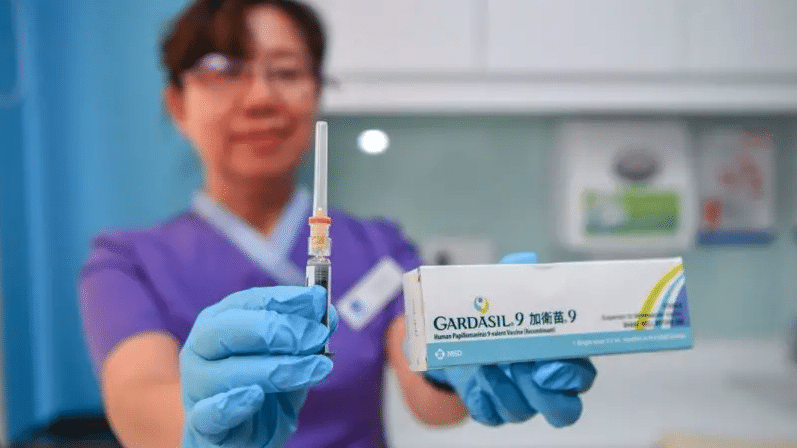
- Gardasil: The HPV Vaccine Chosen by China
- The Importance of Initiating HPV Vaccine in Men
- How to Prevent HPV
- Where to Get HPV Vaccination in Thailand
- Frequently Asked Questions About HPV Vaccination
China's First Step in HPV Vaccine for Men
In January 2025, China made public health history by officially launching an HPV vaccination program for its male population. This marked the first time such an initiative was undertaken in the world's most populous country. The program underscores China's commitment to reducing the incidence of diseases related to the HPV virus in both women and men.
The first recipient of the HPV vaccine under this program was in Changsha, Hunan Province. This city was chosen as one of the pilot locations by the Chinese government due to its advanced healthcare infrastructure and high demand for the vaccine. This initiative represents a significant milestone in public health efforts, highlighting China's proactive stance in combating HPV-related diseases nationwide.
Understanding HPV: What is it?
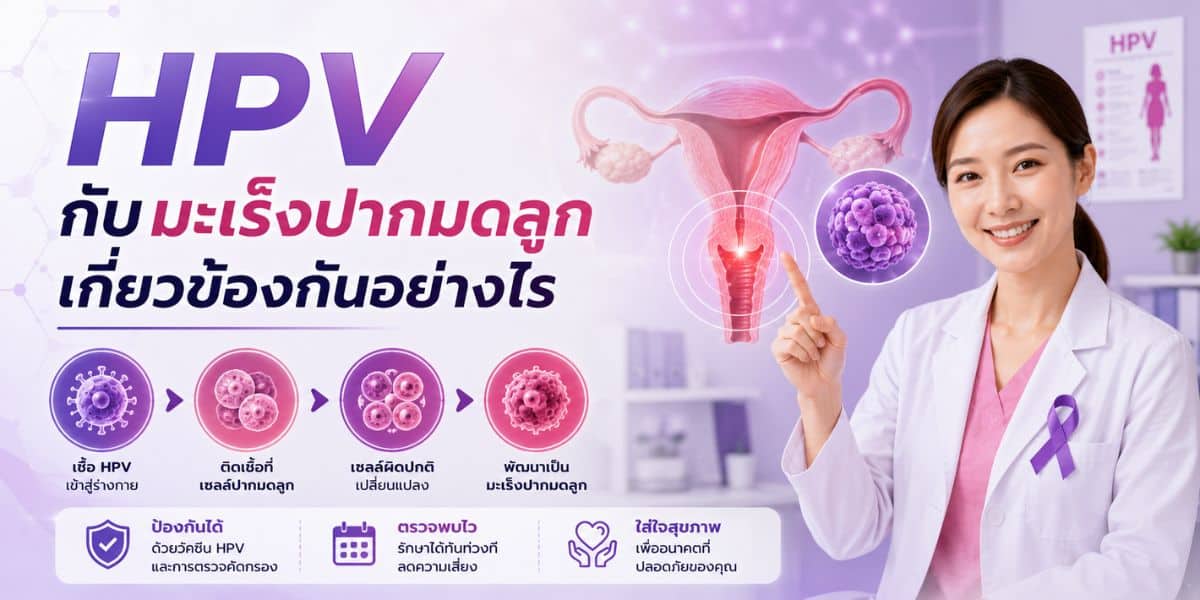
Human Papillomavirus (HPV) is a virus that spreads easily through skin-to-skin contact and sexual activity. It is a major cause of health issues for both men and women, ranging from cancer to infections that cause discomfort in daily life. Characteristics and Transmission of HPV HPV is a DNA virus with over 200 identified strains, which can be categorized into two main groups: 1. Low-Risk HPV Low-risk HPV strains do not lead to cancer but often cause warts on the skin or genital area. Notable strains include: HPV 6 and 11: These strains are the primary causes of genital warts, also known as "Genital warts" 2. High-Risk HPV High-risk HPV strains are associated with the development of cancer, including: HPV 16 and 18: These strains are strongly linked to cervical cancer in women, anal cancer, and cancers of the oral cavity and throat in men.
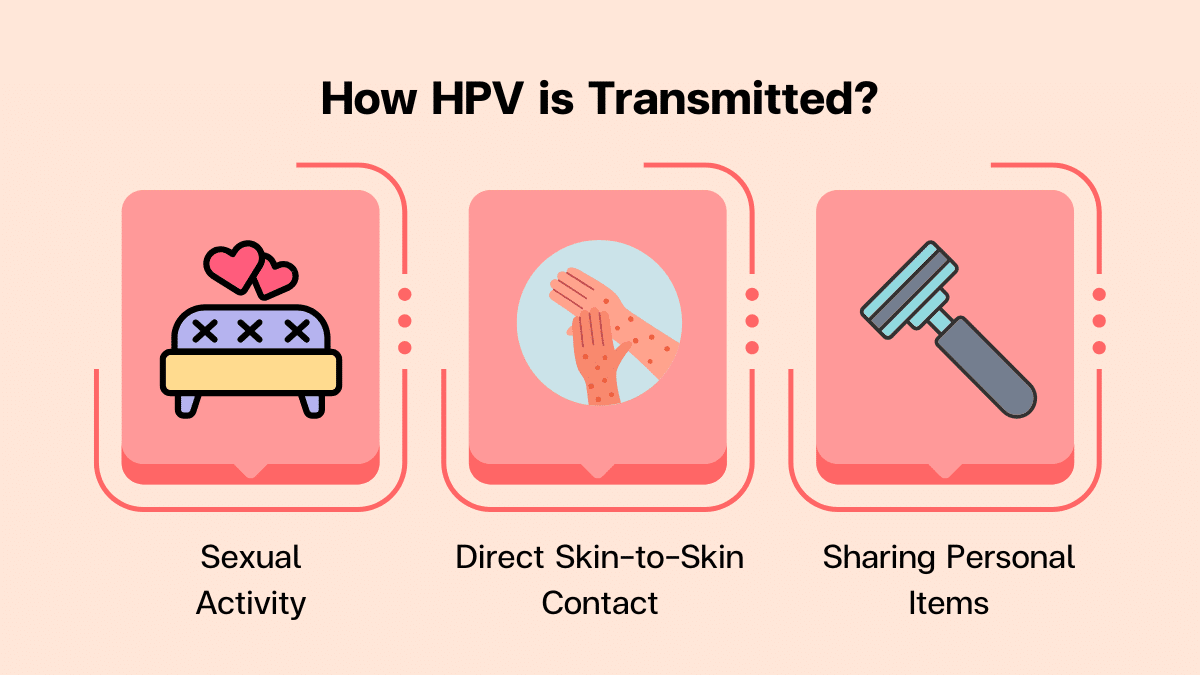
How HPV is Transmitted
HPV is highly contagious and can be transmitted through various means, including:- Sexual Activity: Vaginal, anal, and oral sex are common ways HPV spreads.
- Direct Skin-to-Skin Contact: Physical contact with infected skin can transfer the virus.
- Sharing Personal Items: Using shared personal items such as razors or nail clippers can occasionally transmit the virus.
- Cervical Cancer: This is a leading cause of death among women worldwide, claiming millions of lives each year.
- Anal Cancer: Frequently observed in men, particularly among those who are immunocompromised or in the MSM (men who have sex with men) community.
- Penile Cancer: Although less common, it remains a significant health concern for men.
- Oropharyngeal Cancer: HPV infection in the oral cavity can result in cancers of the mouth and throat, especially in men who smoke or consume alcohol.
Gardasil: The HPV Vaccine Chosen by China
Gardasil, produced by the U.S.-based pharmaceutical company Merck, is a globally recognized vaccine for preventing infections caused by high-risk HPV strains linked to cancer, as well as strains responsible for genital warts. Its effectiveness and safety have made it a preferred choice in many countries, including China. Effectiveness of Gardasil Gardasil is highly effective in preventing infections caused by the following HPV strains:- HPV 16 and 18: These high-risk strains are strongly associated with cervical cancer in women and anal cancer in men.
- HPV 6 and 11: These low-risk strains are the primary causes of genital warts, which can cause discomfort and emotional distress.
- Why this age group? This age range is considered optimal because the vaccine is most effective when administered before any exposure to the virus, typically through sexual activity.
The Importance of Initiating HPV Vaccine in Men
| Aspect | Details |
|---|---|
| Preventing HPV-Related Diseases | Vaccination reduces the risk of anal cancer, penile cancer, and genital warts in men. |
| Reducing Virus Transmission | Vaccinated men are less likely to transmit HPV to partners or others, helping to curb the spread of the virus in communities. |
| Building Herd Immunity | Vaccination of both men and women contributes to herd immunity, reducing the overall circulation of the virus. |
| Enhancing Sexual Health Awareness | Initiating vaccination programs promotes knowledge about sexual health and the prevention of sexually transmitted infections. |
| Promoting Health Equity | Prioritizing vaccination in men highlights the importance of equal healthcare access for all genders. |
| Setting a Global Example | China’s initiative serves as a model for other countries, encouraging similar programs to combat HPV-related diseases. |
Comparison of HPV Vaccination in Thailand
In Thailand, HPV vaccination efforts are primarily focused on women, with an emphasis on preventing cervical cancer. However, there has been no widespread campaign promoting HPV vaccination for men, despite the fact that men are equally at risk of diseases caused by the virus. Additionally, access to HPV vaccines in Thailand faces challenges, including high costs and a lack of public awareness. Promoting policies that encourage men to receive HPV vaccination could be a significant step toward reducing infection rates and HPV-related diseases in the country.
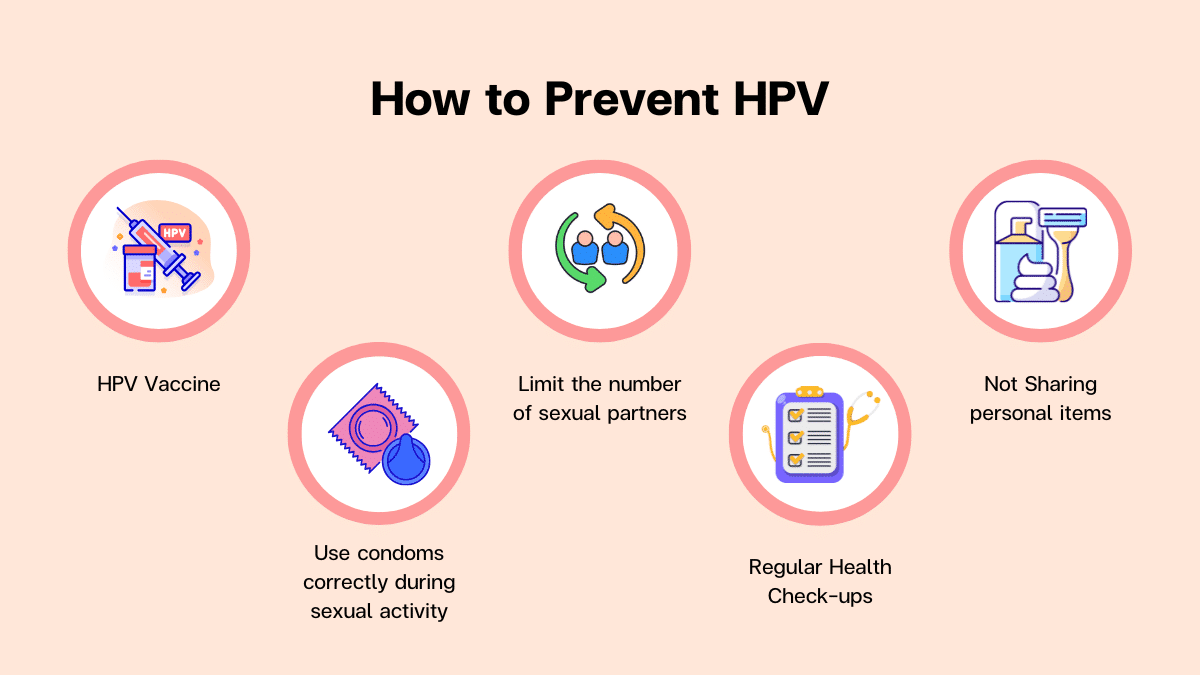
How to Prevent HPV
HPV Vaccine
HPV vaccines are specifically developed to prevent infection from high-risk HPV strains, which are major causes of cervical cancer, anal cancer, and genital warts. Popular Vaccines- Gardasil
- Protects against HPV strains 6, 11, 16, and 18.
- Covers strains that cause both cancer and genital warts.
- Cervarix
- Protects against HPV strains 16 and 18.
- Specifically targets strains associated with cervical cancer.
- Children (Ages 9-14): Recommended to vaccinate before the onset of sexual activity, as the vaccine is most effective when administered prior to exposure to the virus.
- Adults (Up to Age 45): Adults who have not been exposed to HPV can still benefit from vaccination. Many health authorities now approve its use for individuals up to 45 years old.
Condom Use
Effectiveness in Preventing HPV: Condoms are a critical tool in reducing the risk of HPV transmission. However, they cannot provide 100% protection because HPV can spread through skin-to-skin contact in areas not covered by a condom. While condoms lower the risk, they are most effective when combined with other preventative measures like vaccination. Precautions for Using Condoms:- Always use condoms correctly during sexual activity.
- Store condoms properly and check expiration dates before use.
- Use condoms alongside HPV vaccines for enhanced protection against the virus.
Regular Health Check-ups
Importance of Screening: Screening helps detect HPV infections and early cell changes that could develop into cancer if untreated. Regular check-ups significantly reduce mortality rates from cervical cancer and other HPV-related conditions. Recommended Screenings:- Pap Smear: Detects abnormal cells in the cervix caused by HPV.
- HPV DNA Test: Identifies high-risk HPV strains responsible for causing cancer.
Reducing Risky Behaviors
Behaviors to Avoid:- Having multiple sexual partners increases the risk of HPV infection.
- Early sexual activity raises the likelihood of exposure to HPV.
- Sharing personal items like razors or towels can occasionally spread the virus.
- Maintain a monogamous relationship with a trusted partner.
- Avoid sexual activity without a condom.
- Refrain from sharing personal items with others.
"“Preventing HPV does not stop at vaccination alone, but must be complemented by condom use, regular health check-ups, and reducing risky behaviors. Proper knowledge and awareness are key to reducing transmission and preventing diseases in the long term, especially among teenagers who represent the future of society.”
Where to Get HPV Vaccination in Thailand
HPV vaccines are widely available in various healthcare facilities across Thailand, both in public and private sectors. Below are the key locations where HPV vaccination services are offered: Public Hospitals Most government hospitals provide HPV vaccination services. You can check details and book an appointment at the hospitals in your area, such as:- Provincial and general hospitals in each province.
- District hospitals in some areas.
- Specialized institutions like the National Cancer Institute.
Frequently Asked Questions About HPV Vaccination
Who is the HPV vaccine suitable for?
➮ The HPV vaccine is suitable for both women and men, especially those aged 9–26 years, as this is when the vaccine is most effective. It should ideally be administered before exposure to the virus through sexual activity. In some countries, adults over 26 years may also receive the vaccine, depending on their health history and individual risk factors.
What diseases does the HPV vaccine prevent?
➮ The HPV vaccine protects against high-risk HPV strains that cause cancer, including:
- Cervical cancer
- Anal cancer
- Penile cancer
- Oropharyngeal (mouth and throat) cancer
How many doses of the HPV vaccine are needed?
➮ The number of doses depends on the age of the recipient:
- Ages 9–14 years: Two doses are recommended, with the second dose administered 6–12 months after the first.
- Ages 15 and older: Three doses are recommended, with the schedule being:
- First dose: Month 0
- Second dose: 1–2 months after the first
- Third dose: 6 months after the first
Are there any side effects from the HPV vaccine?
➮ The HPV vaccine is highly safe, and common side effects are similar to those of other vaccines, such as:
- Pain, swelling, or redness at the injection site
- Low-grade fever
- Headache or fatigue
Can I still get the HPV vaccine if I have already had sexual intercourse?
➮ Yes, you can still receive the vaccine even after becoming sexually active. However, its effectiveness may be reduced if you have already been exposed to HPV. Nonetheless, the vaccine can still protect against HPV strains you have not yet encountered.
Does the HPV vaccine need to be repeated?
➮ Current evidence suggests that the HPV vaccine provides long-term protection. There is no recommendation for booster doses in individuals who have completed the full vaccination schedule. However, ongoing updates from health organizations and your doctor’s advice should be followed.
- matichon.co.th/foreign/news_5002417
- thansettakij.com/health/wellbeing/617121
- brickinfotv.com/news/262986
Verified references
Links and relevance to the article’s main topic were reviewed on 13 August 2026. Each source supports only the scope stated in the original document and does not replace personalised medical, legal, or service advice.
- CDC: About Genital HPV Infection Accessed 13 August 2026
- NCI: HPV and Cancer Accessed 13 August 2026

Written and reviewed by
Love Foundation Editorial Team
Health and community-rights editorial team
Published 9 January 2025
Last updated 14 August 2026