Ways to Reduce the Risk of HIV
The first step in protecting yourself from HIV is being mindful of sexual risk: having many different partners, or sex with someone whose status you do not…
อ่านภาษาไทย
Contents
The first step in protecting yourself from HIV is to be mindful of sexual risk. Having many different partners, or having sex with someone you do not know well, raises your risk of HIV and many other sexually transmitted infections (STIs). If you have a partner, it is best for the two of you to have sex only with each other, and importantly, both of you should be tested for HIV first so you can be confident that you are both safe.
How can you protect yourself from HIV infection?
Use a condom every time you have sex, whether with a steady partner or a boyfriend or girlfriend, and especially with anyone who has a higher risk of infection. For women, there is a spermicide called nonoxynol-9 that is used for contraception. It is often found in spermicidal foam, which is inserted into the vagina before intercourse.
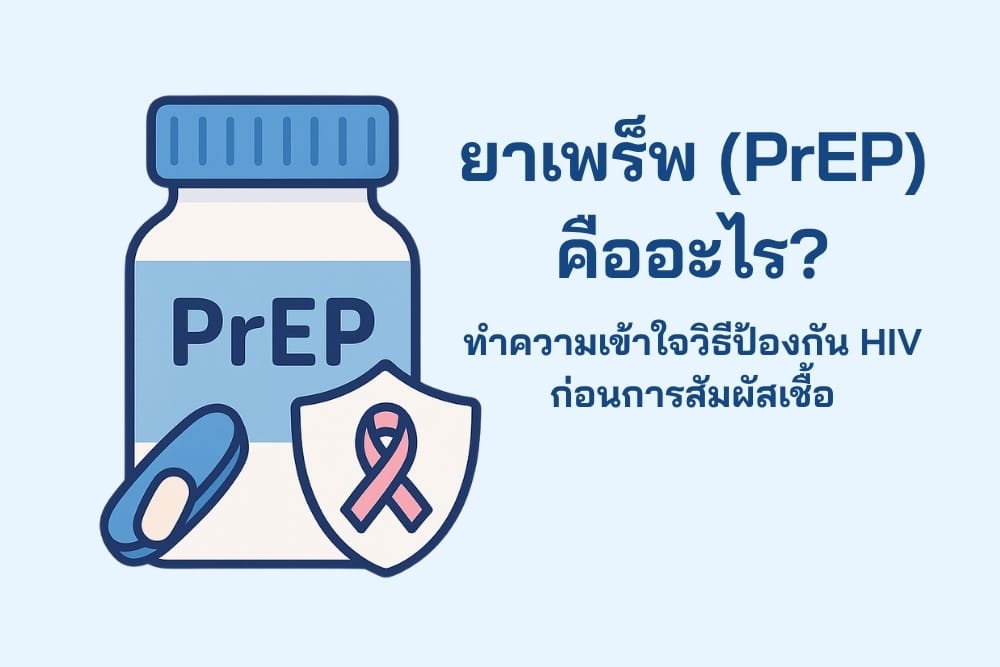
Nonoxynol-9 was once thought to help reduce the risk of HIV, but current WHO and CDC guidance is that it does not protect against HIV, and frequent use can irritate the genital lining and may even increase the risk, so it should not be relied on for HIV prevention. At present, contraceptive foam containing it is not yet available in Thailand, but it is expected to become available before long. Alternatively, for anyone who changes partners frequently, PrEP can be used as an added layer of protection.
Read other related articles
Keep personal items separate from other people's, such as toothbrushes, razors, nail clippers, needles, and other sharp objects. Everyone should use their own and not share them with anyone else. If you use services at higher-risk places, such as acupuncture shops or tattoo and body-piercing studios (for skin or ears), choose carefully and do your research: look for a shop that is clean, hygienic, and meets proper standards.
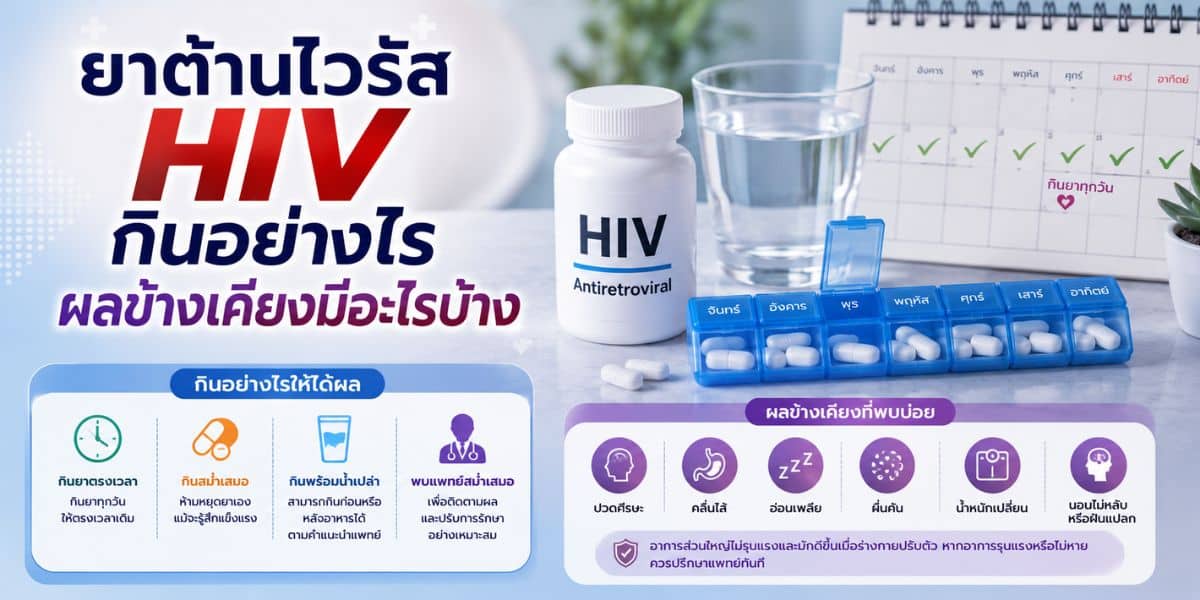
If a condom breaks or leaks while you are having sex, stop the activity immediately and see a doctor about emergency preventive medication (PEP), which must be taken within 72 hours after the exposure. The fastest blood test available today is the NAT test, which can be done as early as 5-7 days after a possible exposure.
Verified references
Links and relevance to the article’s main topic were reviewed on 13 August 2026. Each source supports only the scope stated in the original document and does not replace personalised medical, legal, or service advice.
- WHO: HIV and AIDS fact sheet Accessed 13 August 2026