Chemsex: STI Risks, Harm Reduction, Prevention, and Care
Using drugs can impair self-control and decision-making, leading to a decrease in protective behaviors—especially in the context of sexual activities…
อ่านภาษาไทย
Contents
Using drugs can impair self-control and decision-making, leading to a decrease in protective behaviors—especially in the context of sexual activities, a practice commonly known as Chem sex. Effective prevention and treatment strategies are essential to reduce the risks of contracting various infections. This article will explore the health risks associated with chemsex, along with important current prevention and treatment guidelines.
Find sexual-health and STI testing services
* Prices and free services vary by provider. Please check the details before booking.
Find a provider
 Reducing the risk of HIV and other sexually transmitted infections (STIs) among individuals involved in chemsex requires a comprehensive and accessible prevention approach. This includes harm reduction techniques and proper access to sexual health resources:
Table of Contents
1. What is Chemsex? 2. Risk of HIV and STIs from Chemsex- 2.1 Reduced Decision-Making and Self-Control
- 2.2 Longer and More Frequent Sexual Activity
- 2.3 Multiple Sexual Partners and Partner Switching
- 2.4 Sharing Needles and Equipment
- 2.5 Impact on Mental Health
What is Chemsex?
Chemsex refers to the use of drugs to enhance pleasure or alter experiences during sexual activities. Common drugs involved in chemsex include:- Methamphetamine (Ice)
- GHB (Liquid Ecstasy)
- Mephedrone
Risk of HIV and STIs from Chemsex
Reduced Decision-Making and Self-Control
The effects of stimulant or depressant drugs, such as GHB and methamphetamine, often impair users' decision-making and increase the risk of engaging in unsafe sexual behaviors, particularly neglecting condom use. This heightened risk leads to a greater chance of contracting HIV and other sexually transmitted infections (STIs), including syphilis, gonorrhea, chlamydia, and herpes. Additionally, the feeling of invulnerability and diminished pain sensitivity during drug use can lead people to overlook their own sexual health.Longer and More Frequent Sexual Activity
Stimulant drugs commonly used in chemsex can prolong sexual activity, which increases the likelihood of abrasions or injuries to genital areas. These injuries create easier entry points for infections, thereby raising the risk of transmitting HIV and other sexually transmitted infections (STIs). This increased exposure during prolonged and frequent sexual encounters makes the spread of infections more likely.Multiple Sexual Partners and Partner Switching
Chemsex behavior often involves having multiple sexual partners at once or frequently changing partners. This increase in the number of sexual partners directly raises the likelihood of infection, as the risk of transmission is higher if one partner is infected. Additionally, having multiple partners in a short period can make it harder for individuals to consistently and adequately protect themselves, increasing the chance of exposure to HIV and other sexually transmitted infections.Sharing Needles and Equipment
Prevention of HIV and STIs in Chemsex
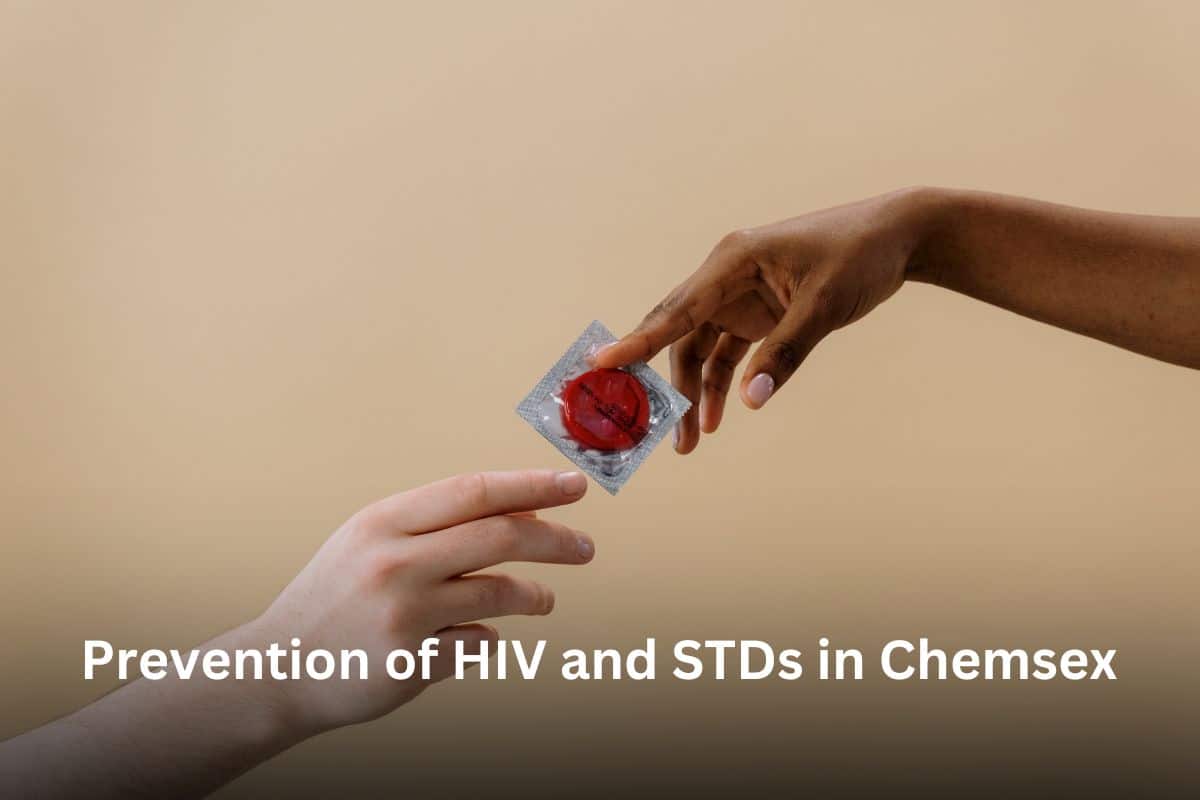
Reducing the risk of HIV and other sexually transmitted infections (STIs) among individuals involved in chemsex requires a comprehensive and accessible prevention approach. This includes harm reduction techniques and proper access to sexual health resources:
- Condoms and Lubricants: Consistently using condoms during every sexual encounter is the primary method of preventing HIV and other STIs. Additionally, using appropriate lubricants, such as water-based or silicone-based, helps reduce genital injuries, further minimizing risk.
- Regular Sexual Health Checkups: Regular sexual health screenings help individuals involved in chemsex know their health status. Early detection of infections allows for timely treatment. Those with multiple sexual partners should be tested at least every three months, focusing on HIV, syphilis, gonorrhea, and hepatitis.
- Education and Access to Information: Raising awareness about the risks of chemsex and providing information about prevention methods, such as PrEP, PEP, and the importance of regular sexual health screenings, is crucial. Offering non-judgmental, informative resources creates a supportive environment where individuals feel comfortable seeking advice or treatment.
PrEP and PEP
- PrEP (Pre-Exposure Prophylaxis): PrEP is an HIV prevention medication for individuals who are HIV-negative but at high risk of exposure. It is an effective method to significantly reduce the chance of contracting HIV. PrEP must be taken regularly as prescribed by a doctor to ensure maximum protection. Providing accessible information and making PrEP easily available is essential for reducing risks in the chemsex community.
- PEP (Post-Exposure Prophylaxis): In the event of accidental HIV exposure, such as sex without a condom or sharing needles, PEP is a post-exposure HIV prevention medication. It must be started within 72 hours of exposure and taken for 28 days. PEP is intended for emergency situations and should not be used as a long-term prevention method.
Treatment for HIV and Sexually Transmitted Infections (STIs)
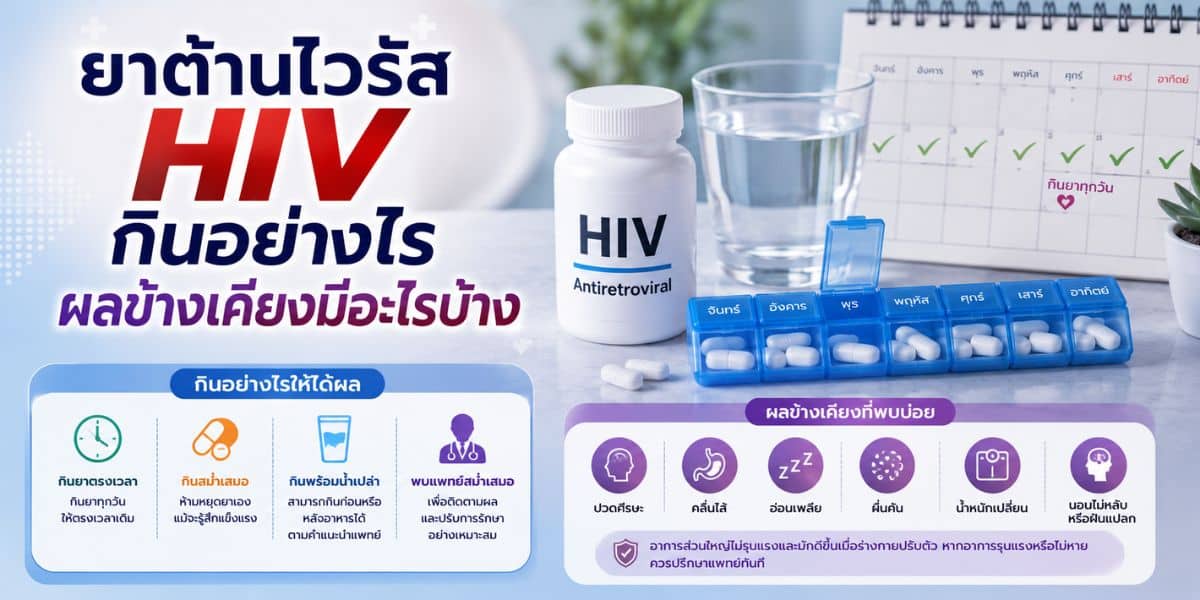
For individuals who are diagnosed with HIV or other STIs, appropriate treatment is crucial to reduce transmission and improve overall health.- Antiretroviral Therapy (ART) for HIV: ART is the standard treatment for HIV, which can reduce the viral load to undetectable levels. Consistent use of ART not only reduces the risk of transmission but also helps people living with HIV maintain better health and live longer, healthier lives.
- Treatment for Other STIs: Some STIs, such as syphilis, gonorrhea, and chlamydia, can be effectively treated with antibiotics. Regular health checkups and timely treatment help prevent the spread of these infections and reduce the risk of reinfection.
- Mental Health Counseling and Social Support: HIV and STI diagnoses can have a significant impact on an individual's mental health. Psychological counseling and participation in support groups can help reduce stress, anxiety, and promote emotional resilience in managing health. Support from family, friends, and the community plays a vital role in aiding mental and physical recovery.
- Community and Organizational Support: Organizations that focus on HIV and STI prevention and treatment, such as specialized clinics and LGBTQ+ support groups, are important resources. They provide counseling, access to essential resources, and create a supportive environment for individuals to receive the care they need.
Verified references
Links and relevance to the article’s main topic were reviewed on 13 August 2026. Each source supports only the scope stated in the original document and does not replace personalised medical, legal, or service advice.
- CDC: About Sexually Transmitted Infections Accessed 13 August 2026
- CDC: STI Treatment Guidelines Accessed 13 August 2026

Written and reviewed by
Love Foundation Editorial Team
Health and community-rights editorial team
Published 14 November 2024
Last updated 14 August 2026