How Is Hepatitis B Transmitted? Check the Risk Routes
Answering the question of how hepatitis B is transmitted, along with its symptoms, how to test for it, treatment options, and the right ways to protect…
อ่านภาษาไทย
Contents
How is hepatitis B transmitted? This is a question many people still wonder about and often misunderstand. Hepatitis B virus (HBV) is one of the infectious diseases found worldwide, and it remains an important public health problem, even though we now have highly effective vaccines to prevent it. This article, updated for 2026, explains everything you should know about hepatitis B, from how it spreads to its symptoms, testing, treatment, and how to protect yourself according to medical information.
What Is Hepatitis B?
Hepatitis B is a virus that causes inflammation of the liver. The virus can lead to both acute and chronic infection.
Some people are able to clear the virus on their own, while others may develop a chronic infection, which raises the long-term risk of cirrhosis, liver failure, and liver cancer. This disease can be prevented with a highly effective vaccine.
How Is Hepatitis B Transmitted?
The main routes of transmission for hepatitis B include:
- Contact with blood, semen, vaginal fluids, and certain other body fluids of an infected person when they come into contact with broken skin or mucous membranes
- Having sex without protection with a person living with hepatitis B
- Sharing needles or equipment contaminated with blood
- Transmission from mother to baby during childbirth
- Contact between an open wound and infected blood, semen, vaginal fluids, or other body fluids
Infection occurs when the virus enters the bloodstream or body tissue through one of these routes.
Table: What Does and Does Not Transmit Hepatitis B
| Situation | Risk |
|---|---|
| Having sex without protection with an infected person | Risk |
| Sharing injection needles | Risk |
| Receiving unscreened blood | Risk (now very rare within standard systems) |
| Transmission from mother to child | Risk if there is no appropriate prevention |
| Holding hands, hugging, or living together | Not transmitted |
| Sharing meals | Not transmitted |
| Sharing a bathroom | Not transmitted |
| Coughing or sneezing | Not transmitted |
Symptoms of Hepatitis B to Watch For
Many people with the infection have no symptoms, especially in the early stages. When symptoms do appear, they may include:
- Fatigue
- Loss of appetite
- Nausea and vomiting
- Pain in the right side under the ribs
- Yellowing of the skin and eyes (jaundice)
- Dark urine
- Fever in some cases
Because symptoms may be unclear, a blood test is an important way to make a diagnosis.
Who Should Get Tested for Hepatitis B
Testing may be appropriate for people who are at risk or who have been advised to test by a health care provider, such as:
- People whose partner has the infection
- People who share needles with others
- People planning a pregnancy
- Health care workers
- People with liver disease
- People who are unsure of their own immune status
- People who are pregnant
- People living with HIV
- People who have been exposed to another person's blood
- People born or living in areas where hepatitis B is common
Testing helps you learn your infection or immunity status and plan appropriate health care.
Treatment Options for Hepatitis B
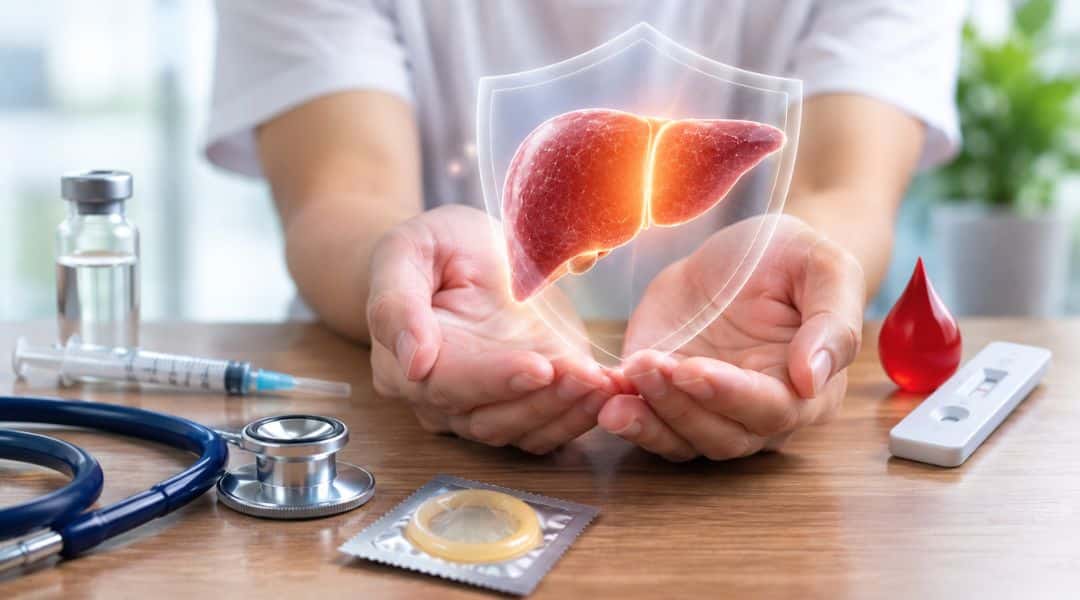
The approach to treatment depends on the nature of the infection. Some people with hepatitis B may need to:
- Monitor liver function
- Have their viral level checked periodically
- Receive antiviral treatment when indicated
- Care for their liver health on an ongoing basis
- Keep scheduled appointments with their doctor
Treatment aims to reduce liver inflammation and lower the risk of long-term complications.
5 Ways to Prevent Hepatitis B You Should Know
- Get the hepatitis B vaccine
- Use condoms correctly when appropriate
- Do not share needles or sharp objects with others
- Get screened as recommended when you have a risk factor
- Follow hygiene standards for piercing or tattooing
The vaccine is considered the most effective way to prevent hepatitis B.
Common Misconceptions About How Hepatitis B Spreads
- Hepatitis B is not transmitted by holding hands
- It is not transmitted by hugging
- It is not transmitted by sharing a spoon
- It is not transmitted by sharing a bathroom
- It is not transmitted by coughing or sneezing
Understanding the facts helps reduce stigma toward people with the infection and builds a society that better understands the disease.
Why the Hepatitis B Vaccine Matters
The hepatitis B vaccine is highly effective at reducing the chance of infection.
In Thailand, newborns receive the vaccine as part of the national immunization program, while adults who have never been vaccinated can consult a health care provider to assess whether the vaccine is right for them.
Caring for Your Liver Alongside Hepatitis B Prevention
Beyond preventing infection, caring for your liver health is also important, for example:
- Eating a balanced diet
- Avoiding excessive alcohol consumption
- Exercising regularly
- Managing your weight
- Consulting a doctor before taking certain medicines and herbal products
Taking care of your overall health helps lower the long-term risk of liver disease.
Trends in Hepatitis B Care
Key trends include:
- Screening that is easier to access
- Using digital technology to follow up on treatment
- Campaigns encouraging more people to get vaccinated
- Providing education through online platforms
- Whole-person care that addresses both physical and mental health
These developments help increase the chances of preventing and controlling the disease effectively.
Learn More About Sexual Health and Infectious Diseases
Having accurate information helps you prevent disease and take better care of your health. If you would like to learn more about HIV, sexually transmitted infections (STIs), health screening, and disease prevention, visit Love Foundation to read up-to-date articles and health information.
Frequently Asked Questions About Hepatitis B
Can hepatitis B be transmitted by sharing meals?
No. This disease is not transmitted by sharing meals, sharing a spoon or drinking glass, or ordinary contact.
If I have no symptoms, do I still need to get tested for hepatitis B?
Many people with the infection have no symptoms, so testing is the best way to know your own status, especially when you have risk factors.
Is the hepatitis B vaccine effective?
The vaccine is highly effective at preventing infection and is an important measure for controlling the disease.
Can hepatitis B be cured completely?
It depends on the type of infection. Many adults with acute hepatitis B clear the virus on their own without treatment. Chronic hepatitis B, however, usually cannot be cured: antiviral medicines can control the virus and protect the liver, but they generally do not eliminate it. People with chronic infection often need long-term monitoring and care under a doctor's guidance.
Summary: Understanding How Hepatitis B Is Transmitted So You Can Prevent It Correctly
Hepatitis B is a preventable disease, and understanding how it is transmitted helps reduce the risk of infection and reduce misconceptions in society. The main routes of transmission are contact with infected blood, semen, vaginal fluids, and certain other body fluids through broken skin or mucous membranes, having sex without protection, sharing needles, and transmission from mother to child. Meanwhile, ordinary daily contact such as holding hands, hugging, or sharing meals does not cause infection.
Getting vaccinated, testing when you are at risk, and following the advice of health care providers are the keys to preventing the disease and keeping your liver healthy over the long term.
Verified references
Links and relevance to the article’s main topic were reviewed on 13 August 2026. Each source supports only the scope stated in the original document and does not replace personalised medical, legal, or service advice.
- WHO: Hepatitis B fact sheet Accessed 13 August 2026