AST Research and the Block-and-Lock Approach to HIV Control
Understand cell-based AST and block-and-lock research, its major limitations, and why people living with HIV should continue ART as prescribed.
อ่านภาษาไทย
Contents
Johns Hopkins research has examined an HIV antisense transcript called AST, an RNA produced from the viral genome that may help suppress HIV gene activity. The work relates to a “block-and-lock” strategy intended to keep latent HIV from reactivating. The evidence discussed here comes from cell-based laboratory research, however; it is not a treatment proven to work in humans.
AST and the Block-and-Lock Concept
Antiretroviral therapy (ART) can suppress HIV very effectively, but latent virus remains in some cells and usually begins replicating again if ART is stopped. Researchers are therefore exploring ways to keep viral genes switched off for longer. AST is one mechanism under study. Laboratory evidence suggests that it may help regulate the viral 5′ long terminal repeat and alter chromatin around HIV genetic material.
What Did the Laboratory Work Find?
Researchers increased AST expression in CD4 cells studied outside the body and then used activating agents to stimulate latent HIV. Cells with more AST showed less viral gene activity. This result helps explain a possible mechanism for future therapies, but it does not establish whether AST can be delivered safely throughout the human body, how long an effect might last, or whether it could control HIV without ART.
Important Limitations
- Results in isolated cells cannot establish safety or effectiveness in people.
- “Lock” describes a research objective; it does not mean that HIV has already been permanently switched off.
- Preclinical work and human trials are still needed to assess delivery, adverse effects, durability, and the risk of viral escape or rebound.
What People Taking ART Should Do Now
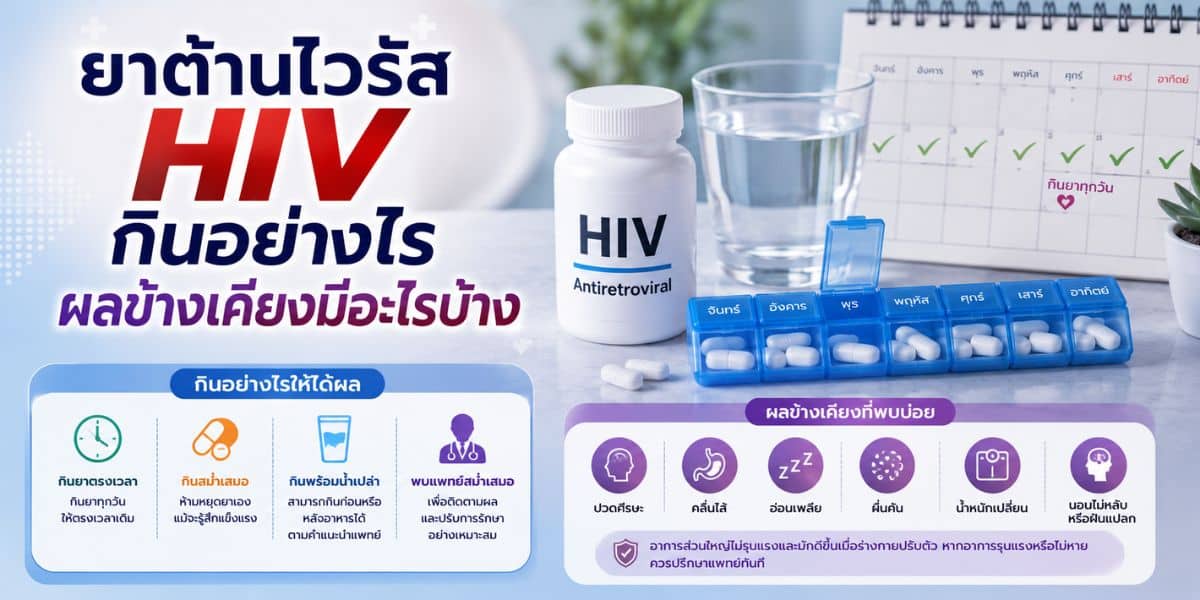
AST is not an approved medicine or clinical service. People living with HIV should not stop, reduce, or change ART to try this concept. Interrupting treatment can cause viral load to rebound and can harm health. Continue ART as prescribed and speak with your care team about side effects or difficulty taking medication consistently.
Verified references
Links and relevance to the article’s main topic were reviewed on 13 August 2026. Each source supports only the scope stated in the original document and does not replace personalised medical, legal, or service advice.
- Johns Hopkins Medicine: AST gene-therapy research Accessed 13 August 2026
- Primary paper (PMC): HIV antisense transcript gene therapy Accessed 13 August 2026
- WHO: HIV and AIDS fact sheet Accessed 13 August 2026