Mpox: Assessing Contact Risk Without Stigmatizing Partners
Mpox risk depends on the contact, not on whether a partner is a “stranger” or belongs to a particular group.
อ่านภาษาไทย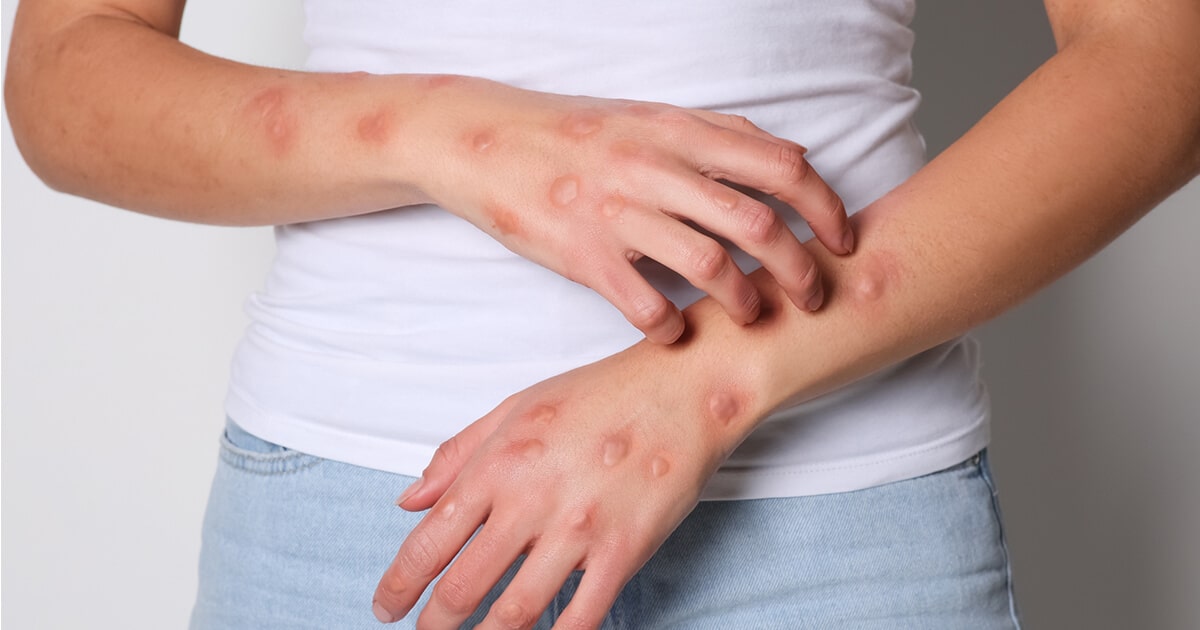
Contents
Mpox risk depends on the contact, not on whether a partner is a “stranger” or belongs to a particular group. Direct contact with lesions, scabs, or body fluids; hugging or sex; and shared items that touched lesions are important exposures. A regular partner can transmit mpox, and nonsexual close contact can also spread it.
Symptoms to Notice
Lesions may occur on the genitals, anus, mouth, face, hands, or elsewhere, with fever, body aches, swollen lymph nodes, or rectal pain. Some people have no fever and only a few lesions, so new symptoms after close contact deserve assessment.
What to Do If You Suspect Mpox
- Avoid close skin contact and sex.
- Cover lesions, avoid picking them, and do not share towels or bedding.
- Contact a healthcare service and describe the contact without blaming yourself or another person.
- Ask promptly about post-exposure vaccination if the exposure was recent and you may be eligible.
Severity and Treatment
Many people recover without specific treatment, but severe disease can occur, especially with major immune suppression, pregnancy, very young age, or extensive lesions. Seek urgent care for severe pain, eye-area lesions, breathing difficulty, confusion, or inability to drink.
Verified references
Links and relevance to the article’s main topic were reviewed on 13 August 2026. Each source supports only the scope stated in the original document and does not replace personalised medical, legal, or service advice.
- WHO: Mpox fact sheet Accessed 13 August 2026
- CDC: About Mpox Accessed 13 August 2026