Mpox Vaccine in Thailand: Details You Should Know
In recent years, emerging infectious diseases have become a major threat to global public health, from COVID-19 to illnesses caused by other viruses.
อ่านภาษาไทย
Contents
In recent years, emerging infectious diseases have become a major threat to the health of the world's population, whether COVID-19 or illnesses caused by other viruses. The spread of these diseases affects not only people's health but also creates wide-reaching challenges for public health systems and the economy. In this context, preventing and controlling Mpox has become an important topic drawing attention at both the national and global levels, especially as outbreaks have been reported in many parts of the world, and Thailand has been unable to avoid facing this challenge. On December 11, 2024, the Cabinet approved an agreement to procure 2,220 doses of Mpox vaccine to strengthen safety for officials working in areas at risk of infection. This decision reflects not only the Thai government's readiness to respond to infectious diseases that could spread, but also the importance of proactive measures to protect the health of the public and of staff in essential roles.
What Is Mpox? Why Get the Mpox Vaccine?
Mpox, also known as monkeypox, is a viral infection caused by a virus in the Orthopoxvirus group, the same family that causes smallpox. Although Mpox is not as severe as smallpox, it can cause disruptive symptoms and, in some cases, complications. Its transmission characteristics and at-risk groups are as follows:
Transmission
- Direct contact with the sores, lymph fluid, or bodily secretions of a person with Mpox
- Contact with objects contaminated with the Mpox virus, such as bed sheets, towels, or clothing
- Inhaling large respiratory droplets from a person with Mpox at close range
- Close contact, such as sexual contact
Symptoms
- Early symptoms resembling the flu
- Fever and headache
- Muscle aches
- Swollen lymph nodes
- Afterward, a rash or pus-filled lesions appear and can spread across the body, especially on the:
- Face
- Hands and feet
- And genitals
At-risk groups
- People who have sex with a person who has Mpox without protection
- People with a history of close contact with a person who has Mpox
- Medical personnel who care for patients without wearing appropriate protective equipment
Reasons to Get the Mpox Vaccine
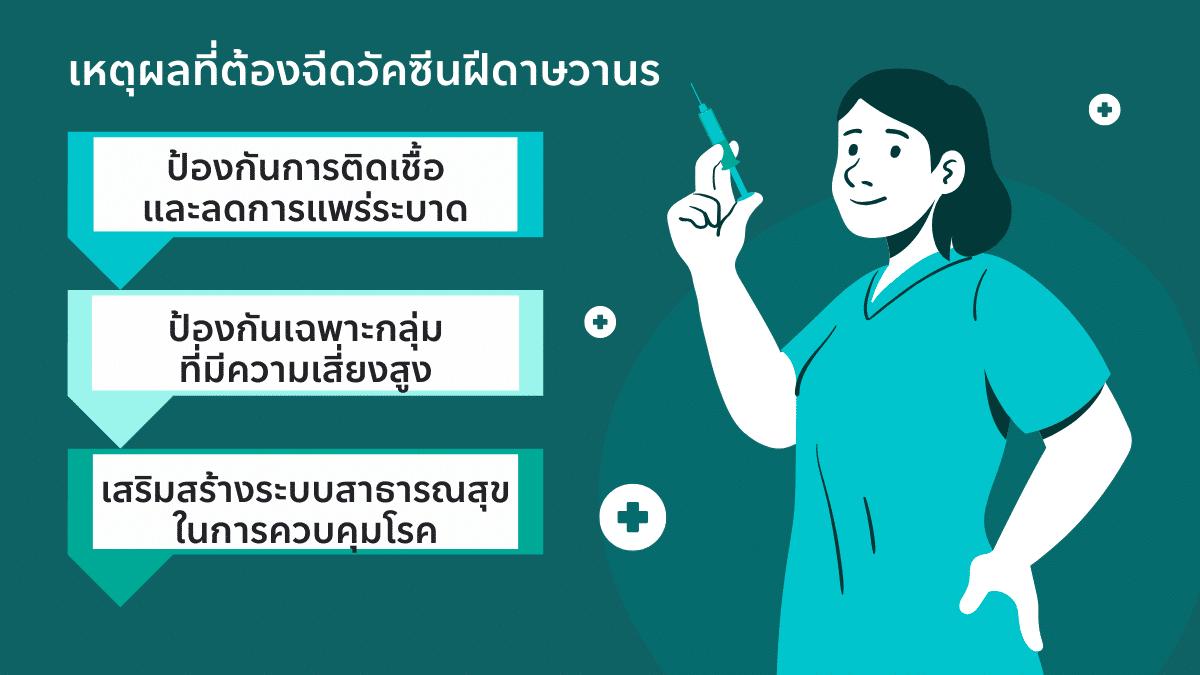
Vaccinating against Mpox is important because Mpox is a contagious disease that can cause outbreaks in communities, especially among high-risk individuals and personnel involved in treating patients or working in laboratories that handle the Mpox virus.
- Preventing infection and reducing spread
- The Jynneos vaccine, a smallpox vaccine used as an alternative to protect against Mpox, is up to 80–85% effective at preventing infection.
- Vaccinating at-risk groups helps reduce the risk of the virus spreading to the wider community.
- Protection specifically for high-risk groups
- The at-risk groups prioritized for vaccination include:
- Medical personnel and laboratory staff
- People living with HIV
- People diagnosed with a sexually transmitted infection (STI)
- Strengthening the public health system to control the disease
- Receiving the vaccine increases the country's readiness to respond to an outbreak.
- It helps reduce the workload of medical personnel and prevents the long-term loss of medical resources. Regional (ASEAN) cooperation:
- The vaccine supplied by Brunei through an ASEAN program is an example of regional cooperation that helps lower costs and improve vaccine access for member countries.
How Should You Prepare for the Mpox Vaccine?
Understanding the vaccine
The vaccine currently used to protect against Mpox is the Jynneos vaccine, which was developed specifically to prevent smallpox. Research has found, however, that it can be used to protect against Mpox with an effectiveness of 80–85%. This vaccine is designed to be given in two doses, spaced about 28 days apart. Getting vaccinated helps reduce the risk of infection and effectively helps control the spread of the disease in the community.
The main priority groups who should receive the vaccine include medical personnel and laboratory staff who work with the Mpox virus, as well as high-risk individuals such as people living with HIV or people diagnosed with a sexually transmitted infection (STI). Understanding this vaccine thoroughly is therefore essential to ensure the best possible outcome and the safety of everyone who receives it.
Preparing before vaccination
- Check your health
- If you have symptoms such as fever or cough, tell your doctor and postpone the vaccination.
- Share your health history, such as:
- Underlying conditions such as diabetes, heart disease, or a weakened immune system
- Pregnancy or breastfeeding
- Use of immunosuppressant medications such as steroids
- A history of allergies to medications, vaccines, or other substances
- Adjust your habits
- Hydrate: Drink plenty of water before the vaccination to keep your body hydrated.
- Food: Eat nutritious, well-balanced meals.
- Avoid alcohol: Refrain from drinking alcohol for 24–48 hours before and after the vaccination so it does not interfere with your immune response.
- Prepare the necessary documents
- Your ID card or related documents
- A record of previous vaccinations, if available
On vaccination day
- Arrive on time: Arrive at the vaccination site at least 10–15 minutes early.
- Wear comfortable clothing: A top with loose sleeves makes it easier to receive the injection in the upper arm.
- Listen to the instructions: Pay attention to the staff's explanations about the vaccine and possible symptoms.
- Watch for symptoms: After the vaccination, wait and monitor for symptoms on-site for 15–30 minutes to guard against an immediate allergic reaction.
Care after vaccination
- Common symptoms you may experience include:
- Pain, swelling, or redness at the injection site
- A low-grade fever or flu-like symptoms such as headache and fatigue
- These symptoms usually go away on their own within 1–3 days.
- When you should see a doctor
- Severe symptoms such as difficulty breathing, a rash all over the body, or a high fever above 38.5°C
- Unusually severe swelling and redness at the injection site
- General advice
- Avoid strenuous exercise during the first 24 hours.
- Do not scratch the injection site, to prevent infection.
- Drink water and get enough rest.
The Importance of Procuring the Mpox Vaccine
Mpox has once again become a significant global concern due to outbreaks in some areas and cases reported in many countries. Procuring the vaccine therefore plays an important role in preventing and controlling outbreaks. Vaccination not only reduces the risk of infection among high-risk groups such as medical personnel and immigration checkpoint officials, but also reduces the risk of the virus spreading to the general population.
Mr. Karom Phonphonklang, Deputy Spokesperson for the Office of the Prime Minister, stated: "The 2,220 doses of vaccine that were procured will be used to vaccinate high-risk priority groups, such as officials working at customs checkpoints and staff who must interact with large numbers of people. In addition, the vaccine has been approved for emergency use. This procurement was funded using budget originally allocated for purchasing COVID-19 vaccines, which remained from previous operations."
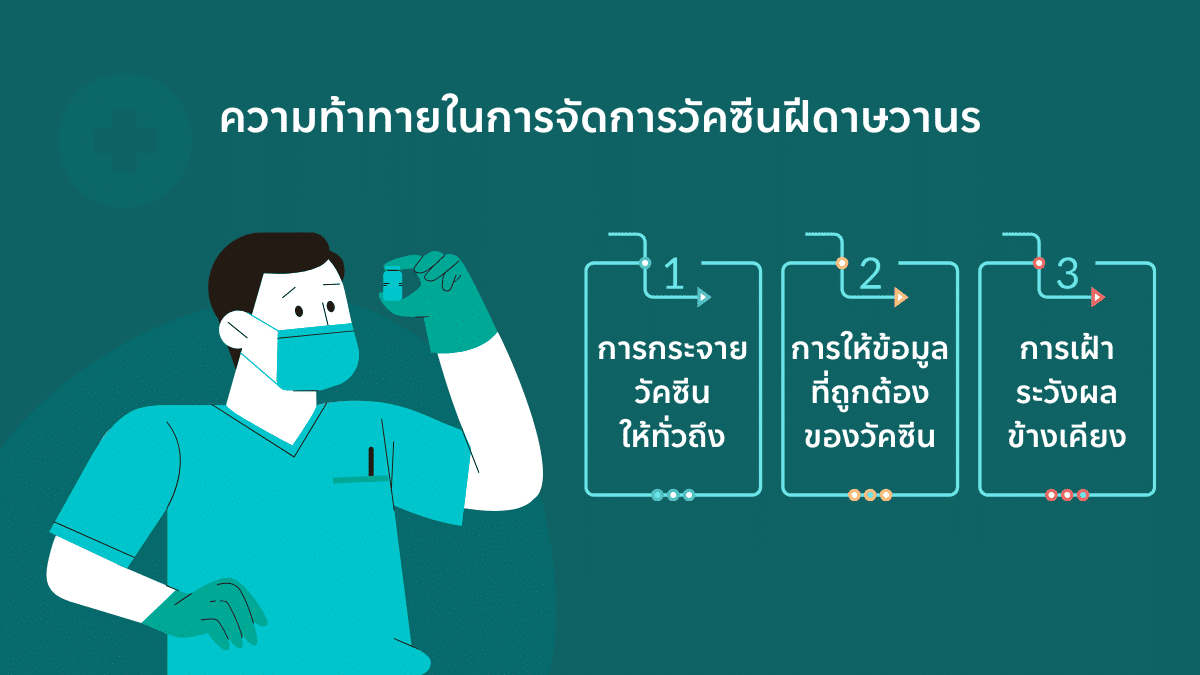
Challenges in Managing the Mpox Vaccine
For this procurement, Thailand must comply with the conditions set by the World Health Organization (WHO), which include monitoring the effects of vaccination and accepting liability for any harm or side effects that may occur. The Ministry of Public Health has confirmed that it will closely inspect and monitor the condition of those who receive the vaccine to ensure its safety and effectiveness. Although procuring the vaccine is an important step in preventing the disease, several challenges must be addressed, including:
- Vaccine distribution: Distributing the vaccine to reach priority groups in remote areas and areas with high transmission
- Public understanding: Providing accurate information about Mpox and the vaccine to prevent misunderstanding and hesitancy about being vaccinated
- Monitoring side effects: Inspecting and reporting side effects quickly and effectively to build confidence in the vaccine
Read other articles you may find interesting
- Mpox guidance: How to prepare with peace of mind before flying abroad
- Mpox: What symptoms to watch for — a guide to protecting yourself from an outbreak
Conclusion
Approving this agreement to procure 2,220 doses of Mpox vaccine is another important step reflecting the Thai government's commitment to monitoring and controlling the spread of Mpox, a health threat that could affect the public on a wide scale. The vaccine will help strengthen safety for frontline officials as well as high-risk population groups, and it also helps effectively prevent the disease from spreading in communities. Although this effort faces several challenges — such as allocating the vaccine to fully cover priority groups, building understanding of and confidence in the vaccine's effectiveness, and managing the vaccine at the national level — with cooperation from every sector, including public health agencies, regional organizations, and the public, Thailand can build a strong and sustainable disease-prevention system for the future. This effort not only responds to present needs but also lays a solid foundation to strengthen readiness for emerging health problems that may arise in the future, sustainably improving the quality of life for Thai people.
References:
Cabinet approves an agreement to procure 2,220 doses of Mpox vaccine, set to vaccinate customs checkpoint officials
- matichon.co.th/politics/news_4948495
Thailand accepts conditions to procure 2,220 doses of Mpox vaccine from Brunei
- infoquest.co.th/2024/452666
Draft agreement for the procurement of Mpox vaccine
- resolution.soc.go.th/PDF_UPLOAD/2567/P_412485_9.pdf
Verified references
Links and relevance to the article’s main topic were reviewed on 13 August 2026. Each source supports only the scope stated in the original document and does not replace personalised medical, legal, or service advice.
- CDC: Mpox Vaccine Considerations Accessed 13 August 2026
- WHO: Mpox fact sheet Accessed 13 August 2026
- CDC: About Mpox Accessed 13 August 2026