Mpox Outbreak 2023: Updated Symptoms, Prevention, and the Latest Situation
Mpox, or monkeypox, has once again become a threat to public health, especially in Africa, where the World Health Organization has declared the outbreak…
อ่านภาษาไทย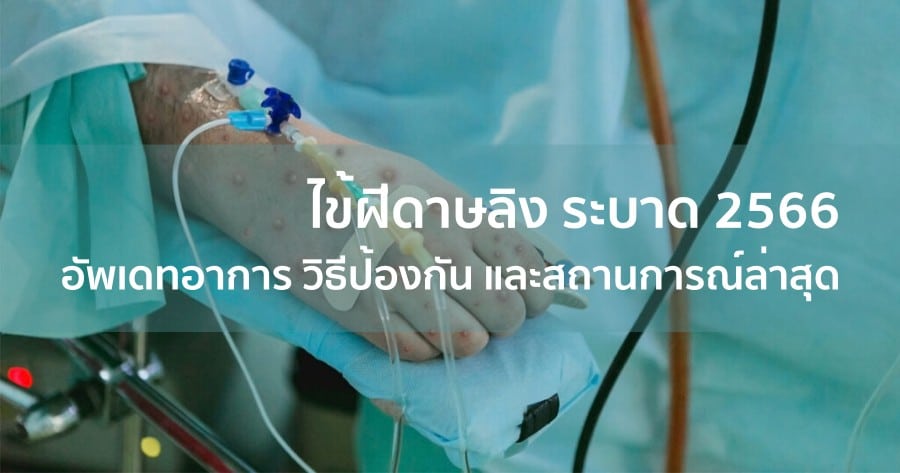
Contents
Mpox, formerly known as monkeypox, has returned as a threat to public health, particularly in Africa. The World Health Organization has declared this outbreak a public health emergency of international concern. Although Mpox is not a new disease, this outbreak involves a new strain that is more severe than before, leading to numerous deaths, especially in the Democratic Republic of the Congo. The most important step in preventing the latest Mpox is to maintain good hygiene, wash your hands frequently, avoid close contact with people who are sick, and avoid sharing personal items with others.
What is Mpox?
Mpox, formerly known as monkeypox, is a viral infection that can spread between people, mostly through close contact, and sometimes from the environment to people via objects and surfaces touched by someone infected with Mpox. The disease originated in the Democratic Republic of the Congo in 1970 and was neglected in that region, according to the WHO. Dimie Ogoina, Chair of the International Health Regulations Emergency Committee, which advises the WHO on this matter, said, "It is time to act decisively to prevent history from repeating itself."
The disease is endemic in Central and West Africa. It later caused a global outbreak in 2022, which led the WHO to declare a public health emergency in July as it spread across multiple countries. After several consultations with experts around the world, the WHO began using the new term "mpox."
What are the symptoms?
The most common symptom of mpox is a rash that lasts for two to four weeks, which may begin with or be followed by fever, headache, muscle aches, back pain, fatigue, and swollen lymph nodes. The rash resembles blisters and can affect the face, palms, soles of the feet, groin, genitals, and/or the anal area, as well as the mouth, throat, or eyes. The number of lesions can range from one to several thousand.
A person with mpox is considered contagious at least until all the blisters have crusted over, the scabs have fallen off, and a new layer of skin has formed underneath, and all lesions in the eyes and body have fully healed. This generally takes two to four weeks. Reports show that people can be reinfected after having had mpox. People with severe mpox may require hospitalization, supportive care, and antiviral medication to reduce the severity of the lesions and shorten the recovery time.
How does Mpox spread?
Mpox can be transmitted from animals to people and from person to person.
From animals to people
- Direct contact: People who have physical contact with an animal that carries the virus, such as certain monkeys or terrestrial rodents like tree squirrels, may become infected with mpox. Such contact can occur through bites or scratches, or during activities such as hunting, skinning, trapping, or preparing food.
- Eating animal meat: The virus can also be transmitted by eating contaminated meat that has not been thoroughly cooked.
From person to person
- Direct contact: Touching, having sex, or talking or breathing close to someone infected with mpox can generate infectious respiratory particles. However, the WHO notes that more research is needed on how the virus spreads during outbreaks in different environments and conditions.
- Indirect contact: The virus can survive for a period of time on clothing, bed linens, towels, objects, electronic devices, and surfaces that a person with mpox has touched. People who touch these items may become infected if they do not wash their hands before touching their eyes, nose, and mouth.
- Mother-to-child transmission: The virus can spread during pregnancy to the fetus, during or after birth through skin-to-skin contact, or from an infected parent to an infant or child during close contact.
- Transmission from people without symptoms: Although there have been reports of mpox infection from people without symptoms, there is limited data on whether the virus can be transmitted by someone who carries it before symptoms appear or after the lesions have healed.
Can Mpox be fatal?
The mortality rate from Mpox ranges from 1–10%, depending on the virus strain and other factors. Appropriate care and prevention can help reduce the risk of death.
In most cases, mpox symptoms resolve on their own within 2–3 weeks with supportive care, such as taking pain relievers or medication to reduce fever. However, newborns, children, pregnant women, and people with weakened immune systems may be at higher risk of developing severe mpox and dying.
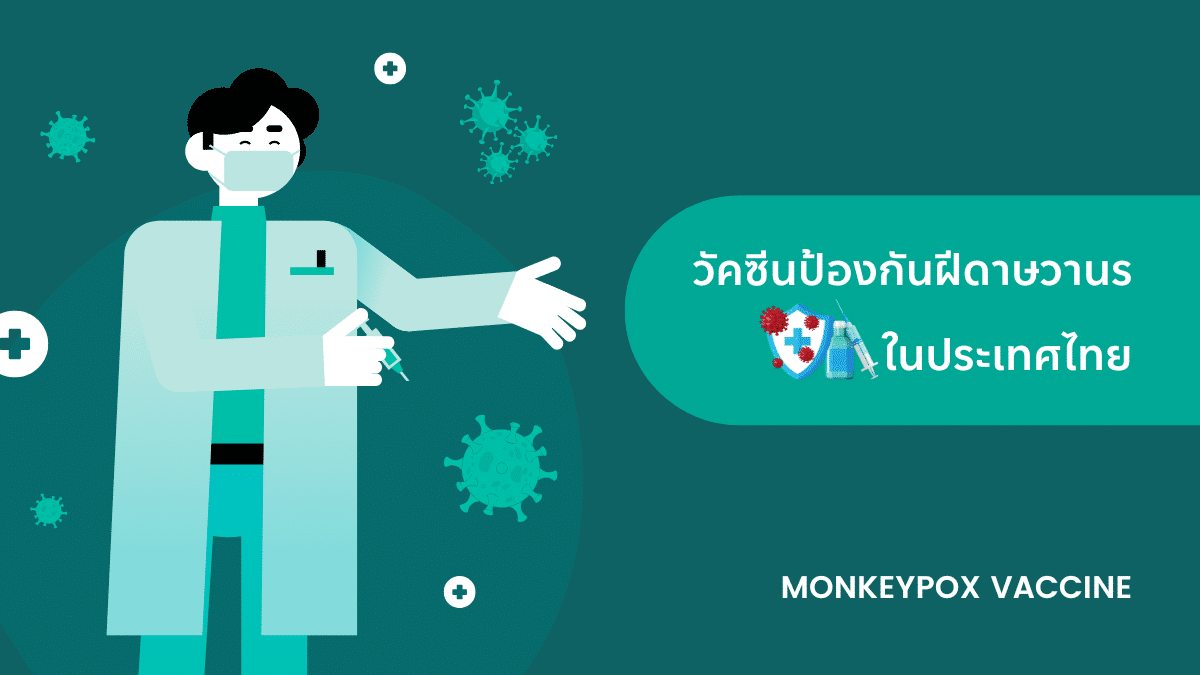
Is there a vaccine to prevent Mpox?
Yes, there is a vaccine to help prevent the latest Mpox. It was developed from the smallpox vaccine, because the Mpox virus is similar to the smallpox virus, and it has been shown to be effective in preventing Mpox infection.
The vaccines used to prevent Mpox include:
- JYNNEOS vaccine (also known as MVA-BN or Imvamune/Imvanex): This is a newer vaccine developed to prevent both smallpox and Mpox. It is approved for use in many countries and can be given to people with weakened immune systems.
- ACAM2000 vaccine: This is a smallpox vaccine that can also be used to prevent Mpox, but it carries a higher risk of side effects, especially in people with certain health conditions.
These vaccines can help reduce the severity of symptoms and prevent the spread of the virus, but vaccination should be done on the advice of a doctor or medical professional.
Read related articles
Verified references
Links and relevance to the article’s main topic were reviewed on 13 August 2026. Each source supports only the scope stated in the original document and does not replace personalised medical, legal, or service advice.
- WHO: Mpox fact sheet Accessed 13 August 2026
- CDC: About Mpox Accessed 13 August 2026