World Mental Health Day 2025: Mental Health in Humanitarian Emergencies
Every year on October 10, the world observes World Mental Health Day — a day when people everywhere are reminded to value their “mind” more than ever before.
อ่านภาษาไทย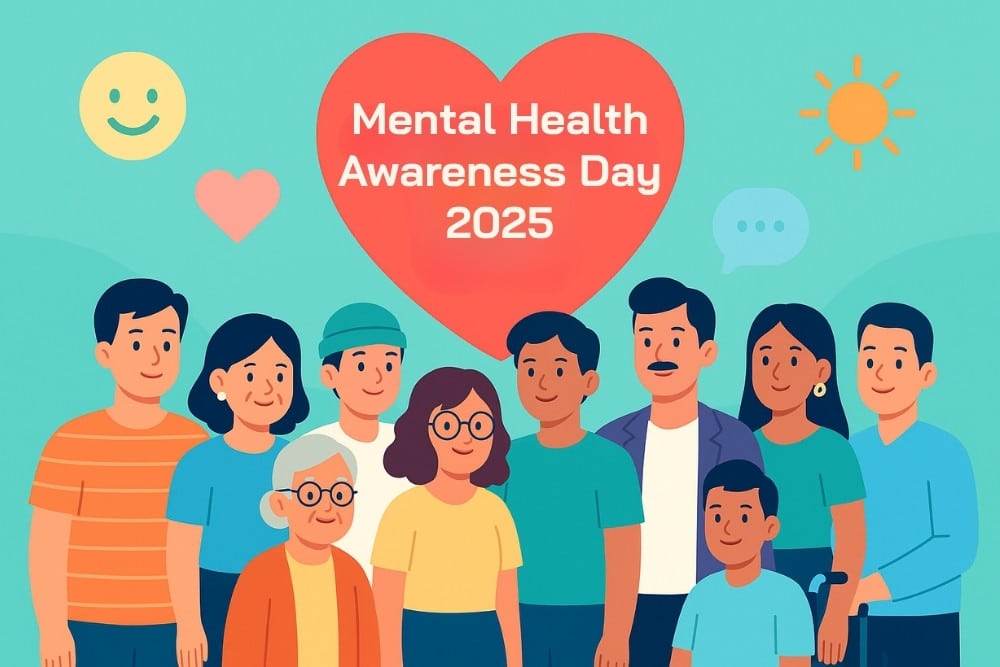
Contents
Every year on October 10, the world observes World Mental Health Day — a day when people everywhere are reminded to value their “mind” more than ever before. In 2025, the World Health Organization (WHO) has set the global theme as “Mental Health in Humanitarian Emergencies.” In our view, this underscores that mental health is no longer just a personal matter but a pressing public issue that demands serious and collective attention. In Thailand, the warning signs are clearer than ever. More than 13 million Thais have experienced mental health issues, and an average of 14 people die by suicide every day (these figures come from different years and sources, so they should be read with that in mind). These are not just statistics in a report — they represent real lives around us: coworkers, close friends, or even family members silently struggling with emotional exhaustion.
That is why World Mental Health Day is not merely a symbolic campaign — it serves as a reminder for society to listen, understand, and take care of our mental well-being and that of those around us before this silent crisis grows into a full-blown national emergency.
List of Contents
- What Is World Mental Health Day?
- Thailand’s Mental Health Situation
- The Global Theme: Mental Health in Humanitarian Emergencies
- Voices from Patients and Experts
- How to Heal and Strengthen Your Mind Again
- Frequently Asked Questions
What Is World Mental Health Day & Why It Matters to Thailand?
When we talk about mental health, many people may immediately think of depression, anxiety, or stress. But in truth, mental health means the state of balance within our mind — the ability to stay flexible and resilient when facing life’s challenges. And that is exactly what World Mental Health Day was created for — to remind us that our mind deserves as much care as our body.
The day was first established in 1992 by the World Federation for Mental Health (WFMH) and has since been supported by the World Health Organization (WHO). Its purpose is to create a global platform where people can openly talk about mental well-being, break stigma, and build a more understanding society. Each year, the campaign adopts a different theme to reflect the changing context of global mental health challenges. For 2025, the theme is “Mental Health in Humanitarian Emergencies,” which emphasizes that when disasters, conflicts, or economic crises occur, what must be restored alongside lives and livelihoods is people’s emotional well-being.
In Thailand, World Mental Health Day Is More Than a Symbol
World Mental Health Day in Thailand is more than just a symbolic campaign. It is a meaningful occasion that unites the government, private sector, and community organizations in efforts to promote the mental well-being of Thai people. Various initiatives have been introduced — such as the “Gifted Listener” program that trains people with disabilities to become community mental health supporters, the “Heart Vaccine” project by the Thai Health Promotion Foundation (ThaiHealth), mental wellness workshops in schools, and nationwide campaigns promoting a “Listening Society” on social media.
In a world where stress and emotional exhaustion continue to rise every day, World Mental Health Day gives us a precious chance to pause, listen to our own hearts and offer a small space for others to rest theirs. Sometimes, simple words like “How are you today?” or “I’m here for you” can mean more than we realize — because listening with compassion is the first step toward healing.
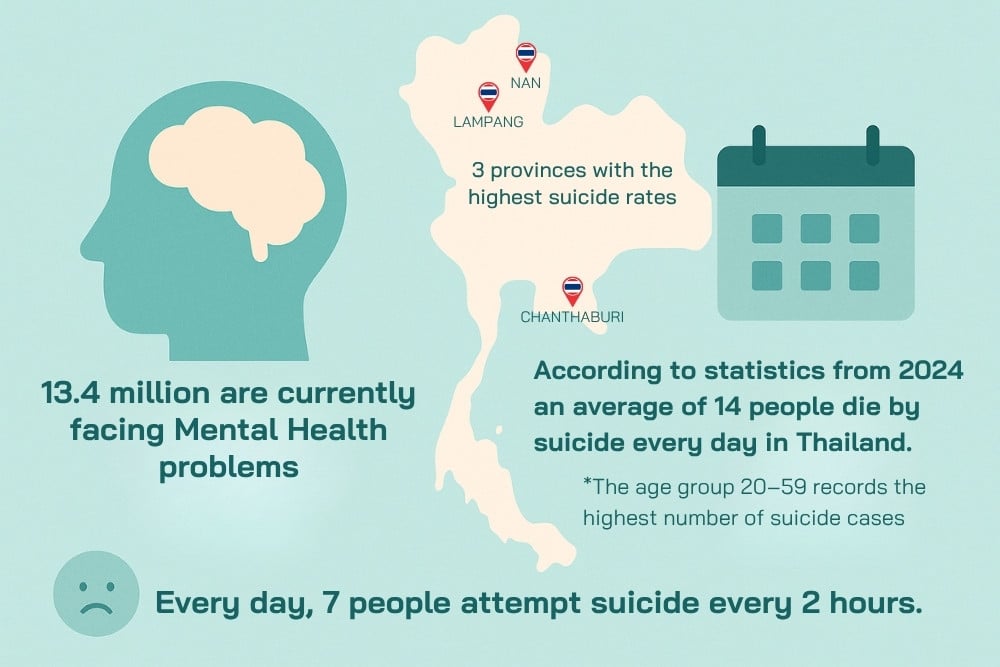
Thailand’s Mental Health Situation in 2025: Key Figures
| Issue | Statistics | Source |
|---|---|---|
| Thai people who have experienced mental health problems | 13.4 million | Department of Mental Health (2023) |
| Suicide attempts per year | Over 30,000 cases | Thai Health Report 2025 |
| Deaths by suicide | Average of 14 per day | ThaiHealth / ThaiPBS |
| Highest group at higher risk | Adolescents aged 15–19 | BBC Thai |
| Mental health professionals | 1.28 psychiatrists per 100,000 population | The Active |
When “Emotional Exhaustion” Becomes a National Emergency
By 2025, mental health problems in Thailand are no longer limited to the elderly or those diagnosed with psychiatric conditions. They have spread widely among students, young adults, and working-age populations.
The major contributing factors commonly found include:
- Economic stress and debt
- Heavy workloads and workplace pressure
- Fragile family relationships
- Excessive social media use leading to “comparison fatigue”
- Lack of safe emotional spaces (“Safe Zones”)
All of these highlight that Thailand’s mental health is facing a silent crisis. Without a strong and accessible mental health support system, this growing problem will inevitably affect both quality of life and the nation’s overall economy.
On World Mental Health Day 2025, these numbers should not just be read — they should remind us that behind every statistic is a person who still hopes to be heard.
World Mental Health Day and the Global Theme: Mental Health in Humanitarian Emergencies
The World Health Organization (WHO) emphasizes that mental health must be integrated into all crisis-response policies — whether dealing with natural disasters, pandemics, or conflicts. Every global emergency leaves not only physical and economic scars but also deep emotional wounds for millions of people. Thailand is no exception. The country has witnessed the mental toll of COVID-19, recurring natural disasters, economic instability, and the rise of domestic violence. These ongoing challenges have contributed to a sharp increase in depression, anxiety, and suicide rates across all age groups. That’s why World Mental Health Day 2025 serves as a crucial reminder that mental health care is not a luxury — it’s a necessity. It’s time for governments, workplaces, and communities to redefine well-being to include emotional safety, not just physical survival.
Thai Innovations for Healing Hearts: Gifted Listener & Heart Vaccine
While the world discusses the growing mental health emergency, Thailand has developed several creative and inclusive initiatives to restore emotional resilience nationwide.
The “Gifted Listener” Project
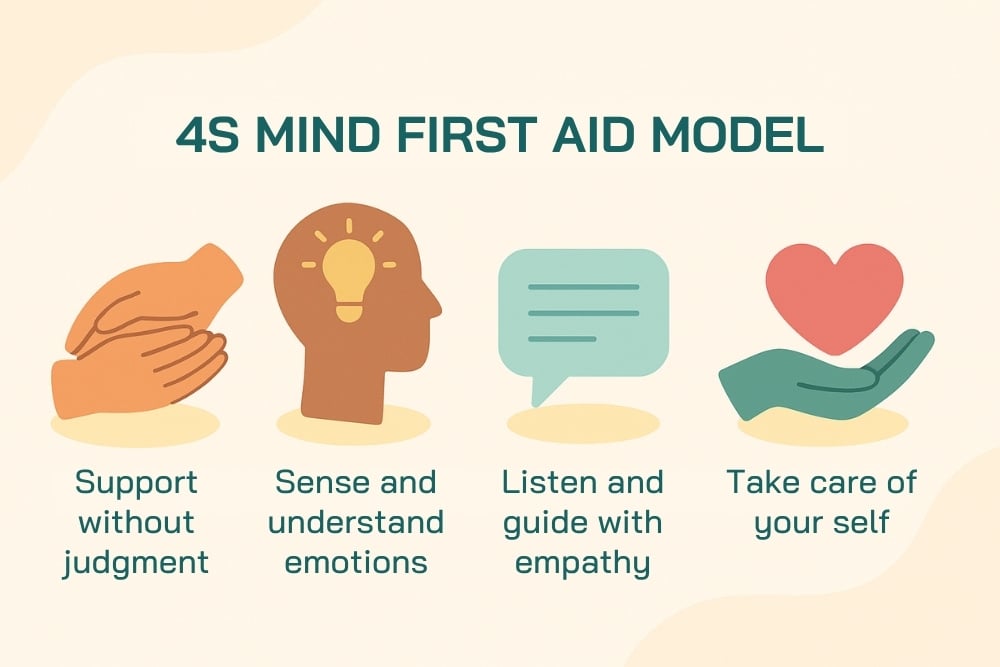
Developed by the Thai Health Promotion Foundation (ThaiHealth) in collaboration with Chulalongkorn University, this initiative trains people with disabilities to become Mind First Aid responders — individuals capable of providing empathetic emotional support in their communities.
Project goals:
- Train 500 “Gifted Listeners” nationwide
- Support mental well-being for over 50,000 employees in organizations
- Provide listening and guidance services for more than 100,000 individuals
The program follows the 4S Mind First Aid Model — Support, Sense, Summarize, and Self-care, empowering everyone to “listen without judgment” and become part of a community-driven suicide prevention network.
The “Heart Vaccine” Project
Another initiative by ThaiHealth, the Heart Vaccine project promotes the idea of building emotional immunity — helping people recognize their self-worth and accept their imperfections.
The “Heart Vaccine” isn’t found in a syringe — it lives in kind words, compassion, and everyday acts of care that nurture both our hearts and others’.
This campaign encourages Thais to see emotional wellness as an essential part of health — one that can protect communities as powerfully as any medical vaccine.
Voices from Patients and Experts: Stories We Need to Hear
“Kaem,” a 33-year-old woman living with depression who once attempted to end her own life, shared a haunting truth:
“Sometimes we don’t really want to die — we just want the pain to stop.”
Meanwhile, Dr. Rungarun Anupansuebsaai from the Faculty of Medicine, Siriraj Hospital, pointed out that teenagers are among the most vulnerable groups because they lack emotional safe spaces.
“Home should be a Safe Zone — a place where children can speak freely, not a place where they fear being judged.”
These voices capture the heart of World Mental Health Day 2025 — a powerful reminder that healing begins not with judgment, but with listening, empathy, and understanding.
World Mental Health Day - Warning Signs and How to Care for Your Mind
In today’s fast-paced world, life often feels heavy — work pressures, financial struggles, relationship conflicts, and constant exposure to distressing news can quietly drain our emotional strength. Unlike physical illness, mental fatigue doesn’t always show visible symptoms. It slowly builds up until one day you realize that your heart simply says, “I can’t do this anymore.”
⚠️ Warning Signs That You Might Be “Emotionally Drained”
- Feeling exhausted and unfocused Everything feels overwhelming, even small tasks. You lack motivation or mental energy to start new things.
- Sleeping too little or too much Irregular sleep patterns are one of the first red flags of stress or depression. Some people can’t fall asleep from overthinking, while others sleep all day to escape reality.
- Losing interest in things you once enjoyed Activities that used to make you happy no longer bring joy. You withdraw from friends, avoid going out, and start feeling invisible or worthless.
- Feeling hopeless or wishing to disappear When emotional pain becomes unbearable, some may think, “Maybe everyone would be better off without me.”
If You or Someone You Know Feels This Way
Please don’t hesitate to seek help. If you are thinking about harming yourself, or someone is in immediate danger, contact your local emergency services or a crisis hotline right away — do not wait for advice from an article. You can contact the Mental Health Hotline (1323) — available 24 hours a day with trained professionals ready to listen without judgment.
You can also take a quick Depression Self-Assessment online at 👉🏻 love2test.org/depression
Asking for help is not a sign of weakness — it’s an act of tremendous courage.
Admitting “I need someone to listen” is the first step toward true healing.
How to Heal and Strengthen Your Mind Again
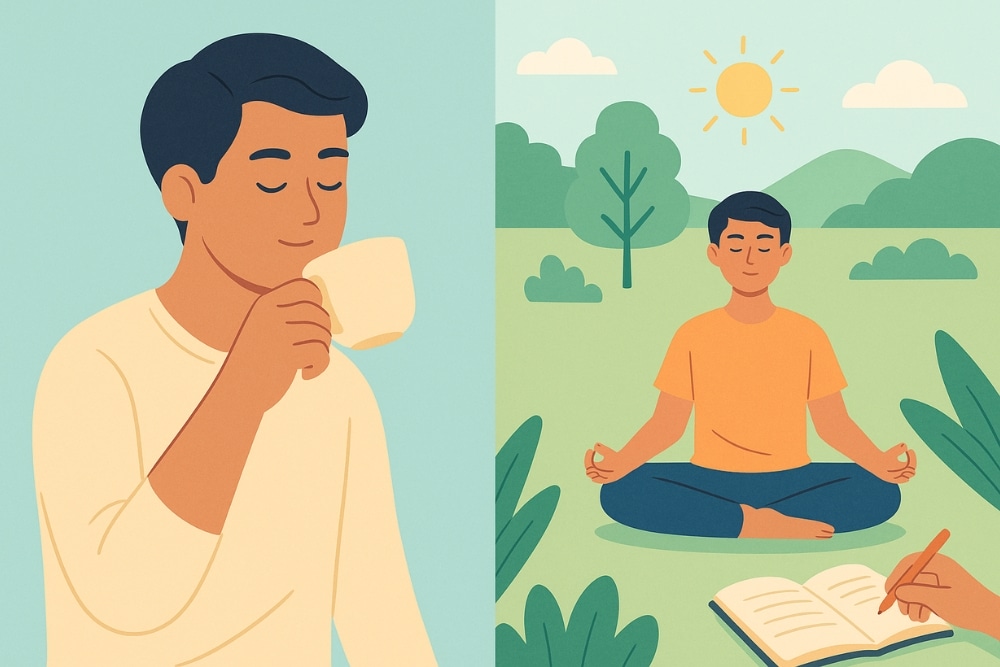
When you start to realize that your mind is tired or overwhelmed, the most important thing you can do is to care for yourself immediately. Here are some simple ways to give your heart and mind the rest they deserve:
- Accept Your Feelings
- Stop telling yourself that you “have to be strong.” Instead, say “It’s okay to feel tired right now.” Acceptance is the first step toward recovery — it allows you to face your emotions with kindness, not denial.
- Talk to Someone You Trust
- Whether it’s a close friend, family member, or counselor, talking about what you feel can ease emotional pressure far more than keeping it all inside. Remember: speaking up is not a burden; it’s a release.
- Take a Break from What Drains You
- Turn off your phone for an hour, take a walk, or do some light exercise. Moving your body helps release serotonin — the “happiness chemical” that naturally lifts your mood.
- Do What Recharges Your Heart
- Listen to your favorite songs, write a journal, draw, or cook something simple. Small acts of joy can remind you that happiness still exists in life’s little details.
- Seek Professional Help If Things Don’t Improve
- If sadness or anxiety persists for weeks, don’t wait until it becomes a crisis. Consulting a psychologist or psychiatrist isn’t something to fear — it’s an act of professional self-care. Getting help early can prevent emotional pain from turning into something much harder to heal.
Frequently Asked Questions About Mental Health
What is mental health?
What causes mental health problems?
They usually arise from a combination of factors such as:
- Ongoing stress from work or personal life
- Loss of a loved one or emotionally painful experiences
- Hormonal or chemical imbalances in the brain
- Genetics or difficult childhood experiences
- Lack of family or social support
When these pressures accumulate without relief, they can lead to depression, anxiety, or burnout.
How do I know if I have a mental health problem?
↪ Key warning signs include:
- Frequent mood swings, fatigue, or lack of concentration
- Losing interest in things you used to enjoy
- Difficulty sleeping or sleeping too much
- Feelings of worthlessness or wishing to disappear
If these symptoms persist for more than two weeks, talk to someone you trust or call the Mental Health Hotline 1323 to receive confidential support from trained professionals.
Does it cost money to call the Mental Health Hotline 1323 or see a psychiatrist?
What should I do if a friend or loved one has mental health problems?
- Listen sincerely without interrupting or rushing them to feel better
- Avoid saying things like “Don’t think too much” or “Others have it worse”
- If you notice warning signs such as suicidal thoughts or self-harm, immediately call 1323 or take them to a hospital
Genuine listening is often the best medicine for a weary heart.
Can mental health really improve?
Remember: You are not alone. Every time you ask for help, you take the first and most important step toward healing.
- HIV and Mental Health: Understanding the Connection and Coping Strategies
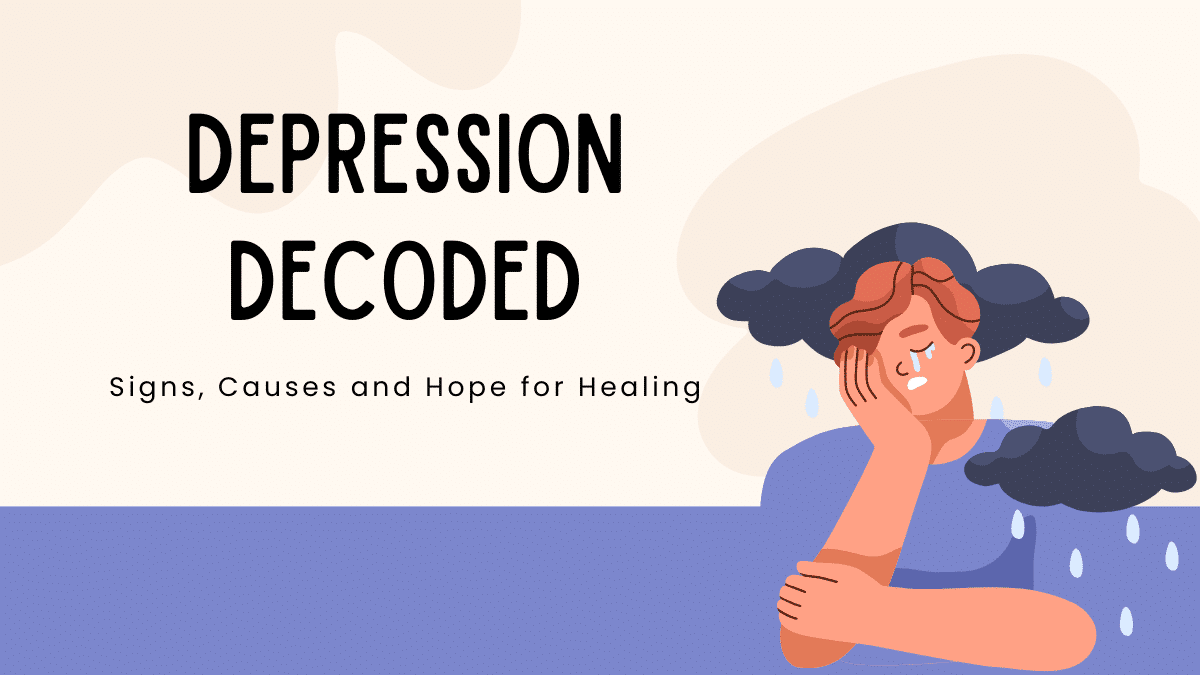
- Depression Decoded – Signs, Causes and Hope for Healing
Because World Mental Health Day Is Everyone’s Responsibility
World Mental Health Day 2025 is more than just a campaign — it’s a mirror reflecting the emotional state of Thai society. It reminds us that mental health challenges are not distant problems. They exist among us — our colleagues, students, parents, and even ourselves — each of whom has days of exhaustion, sadness, and uncertainty. In a world increasingly defined by disasters, economic pressure, and digital isolation, mental health can no longer be seen as merely a medical issue. It has become a national and social emergency that requires shared responsibility from everyone — governments, organizations, schools, and families alike. What we can do today doesn’t have to be grand. Sometimes, it starts with something simple listening without judgment, offering a helping hand, or taking care of our own hearts first. When our hearts are steady, we gain the strength to pass compassion and understanding to others.
A single person’s mental well-being can spark warmth across an entire community. 💚
And on this World Mental Health Day 2025, let us come together to build a society of listening, understanding, and hope so that the words “I can’t take it anymore” will never have to be someone’s last.
Reference:
Thais Face a Mental Health Crisis as Suicides Surge! ThaiHealth Unites Network Partners to Champion the “Mind First Aid” Innovation
Depression Cases Among Thais Surge! Calls to Add More Psychiatrists, Address Costly Medication, and Expand Access to Treatment Suicide Among Thais: A Challenge for Mental Health Policy Redefining “Suicide Attempts”… More Than Statistics, They Are “Signals” That Must Be FoundVerified references
Links and relevance to the article’s main topic were reviewed on 13 August 2026. Each source supports only the scope stated in the original document and does not replace personalised medical, legal, or service advice.
- WHO: World Mental Health Day 2025 Accessed 13 August 2026
- WHO: Mental health—strengthening our response Accessed 13 August 2026