Understanding Depression: Symptoms, Causes, and Care
Depression is a common mental health condition that can affect people of all ages. However, it is still often misunderstood and overlooked in society.
อ่านภาษาไทย
Contents
Depression is a common mental health condition that can affect people of all ages. However, it is still often misunderstood and overlooked in society. Gaining a proper understanding of this condition not only helps reduce social stigma but also enables those affected, or their loved ones, to receive appropriate care. This article aims to provide you with a comprehensive understanding of depression, covering its basics, symptoms, causes, and approaches to treatment and care.
 Cognitive Symptoms
HIV testing and PrEP near you
* Prices and free services vary by provider. Please check the details before booking.
Find a provider
 Real-Life Example
Check your readiness for PrEP
* Prices and free services vary by provider. Please check the details before booking.
Check my readiness
 Stress Management
Effective stress management reduces the impact of stress on mental and physical health. Various techniques can help you relax and achieve better emotional balance. Here are some proven stress management methods:
Stress Management Techniques
Stress Management
Effective stress management reduces the impact of stress on mental and physical health. Various techniques can help you relax and achieve better emotional balance. Here are some proven stress management methods:
Stress Management Techniques
Table of Contents
What is Depression?
Depression is a psychiatric condition that significantly affects a person’s mood, thoughts, and behavior. It is not just a temporary feeling of sadness or fatigue that anyone might experience in daily life, but a deep and persistent emotional state that impacts every aspect of living—whether it’s work, relationships, or self-care.Symptoms of Depression
The symptoms of depression vary widely and affect both the body and the mind. Common symptoms include: Emotional Symptoms- Feeling sad, depressed, or empty all the time.
- Loss of interest or pleasure in activities once enjoyed.
- Experiencing guilt or worthlessness without any clear reason.
- Negative thoughts, such as "I’m worthless" or "No one needs me."
- Fatigue and lack of energy, even without engaging in heavy activities.
- Sleep disturbances, such as insomnia or excessive sleeping.
- Loss of appetite or rapid weight loss (in some cases, weight gain).
- Chronic pain, headaches, or muscle aches with no identifiable cause.
Cognitive Symptoms
- Difficulty concentrating or making decisions.
- Recurrent thoughts of death or suicide.
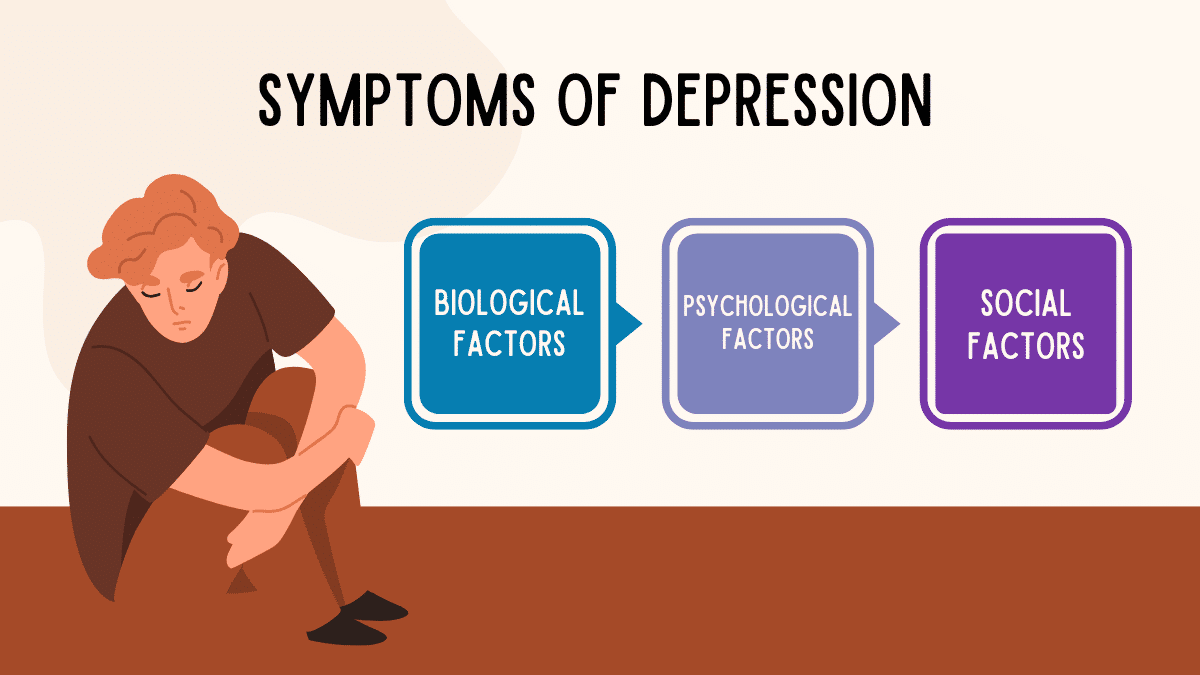
Causes of Depression
Depression doesn’t stem from a single cause; it results from a complex interplay of biological, psychological, and social factors, including:- Biological Factors
- Genetics: A family history of depression increases the likelihood of developing the condition.
- Brain Chemistry: Imbalances in neurotransmitters, such as serotonin and dopamine, can affect mood and behavior.
- Hormones: Hormonal changes, such as those during pregnancy or menopause, can trigger depression.
- Psychological Factors
- Chronic Stress: Prolonged stress from work, relationships, or financial problems can contribute to depression.
- Personality: Individuals with anxious or pessimistic personality traits are at higher risk. Past Trauma: Experiencing violence, loss, or neglect during childhood can lead to depression later in life.
- Social Factors
- Social Isolation: Lack of strong relationships or support from family and friends.
- Economic Challenges: Poverty, unemployment, or unstable social conditions can increase the risk of depression.
Effects of Depression
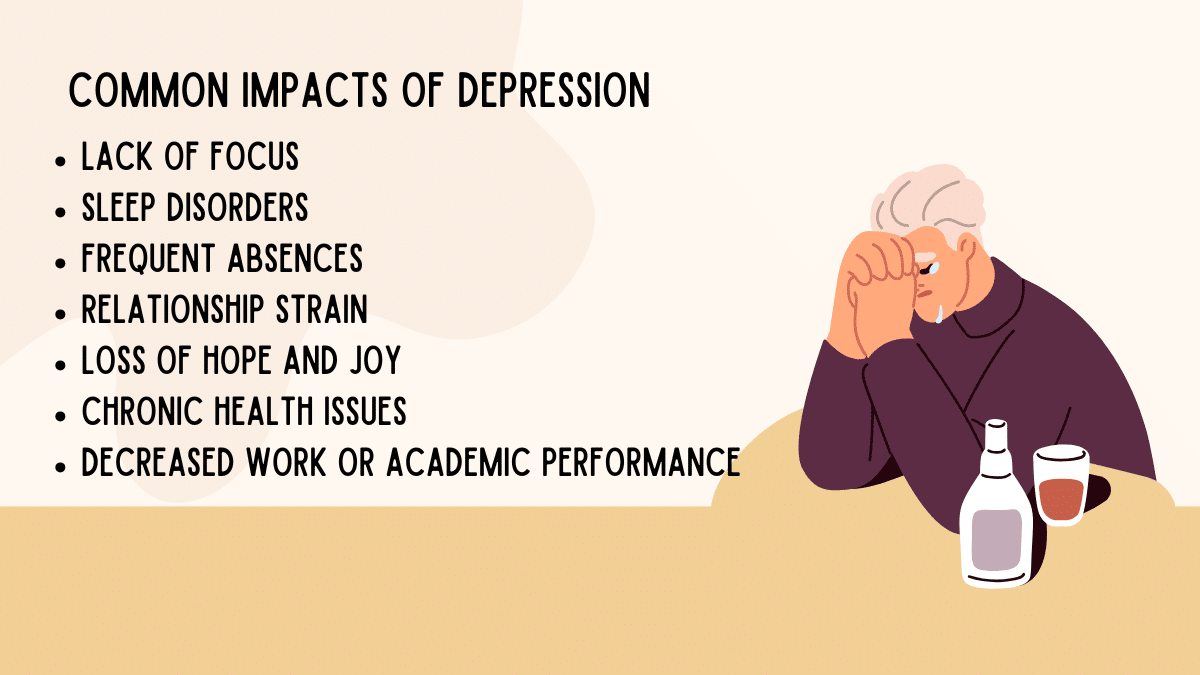
Depression impacts every aspect of life, including physical health, emotions, and social interactions. Here are some examples of its effects:- Physical Health: Disrupted sleep patterns and chronic health conditions.
- Work Performance: Difficulty concentrating, reduced productivity, or frequent absenteeism.
- Relationships: Strain and tension in relationships with close ones.
- Mental Well-Being: Loss of hope and motivation to engage in life.
Diagnosis
Diagnosing depression requires evaluation by a specialist, such as a doctor or psychiatrist, using the following methods:- Interview: Discussing symptoms, personal history, and emotional state.
- Psychological Questionnaires: Tools like the PHQ-9 to assess the severity of symptoms.
- Physical Examination: To rule out symptoms caused by other health issues, such as thyroid disorders.
Distinguishing Between General Sadness and Depression
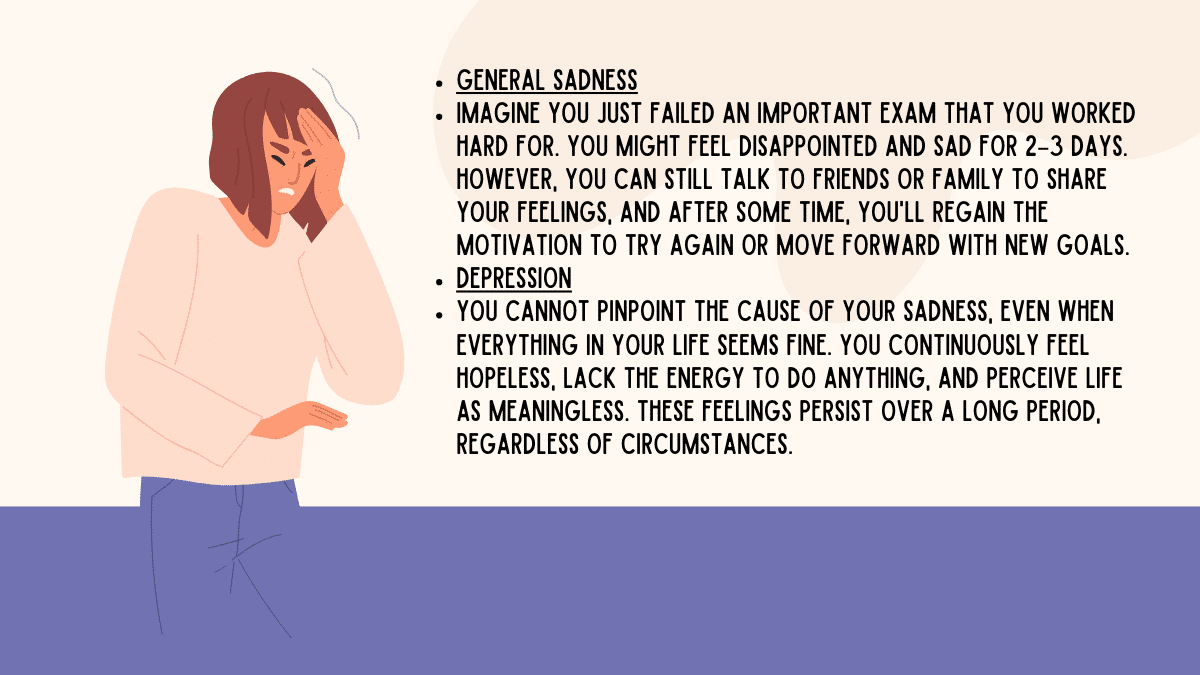
Many people wonder about the difference between general sadness and clinical depression, as both can involve feelings of sadness, hopelessness, or despair. However, these two states have distinct characteristics and impacts, which can be differentiated as follows:- General Sadness: You fail an important exam after preparing diligently. You feel disappointed and sad for a few days but can share your feelings with friends or family and gradually regain motivation to move forward.
- Depression: You feel inexplicably sad and hopeless even though everything in your life seems fine. You lack the energy or drive to do anything, and the feeling persists for a long time, making life seem meaningless.
Why Is This Distinction Important?
Understanding the difference between general sadness and depression is crucial because it allows us to:- Accurately Assess Yourself or Others: Recognizing when to seek help for yourself or someone close to you.
- Reduce Stigma and Misunderstanding: Helping to eliminate the misconception that depression is simply a "mental weakness."
- Provide Timely Support: Proper diagnosis and treatment of depression can prevent severe consequences, such as self-harm or suicide.
Treatment for Depression
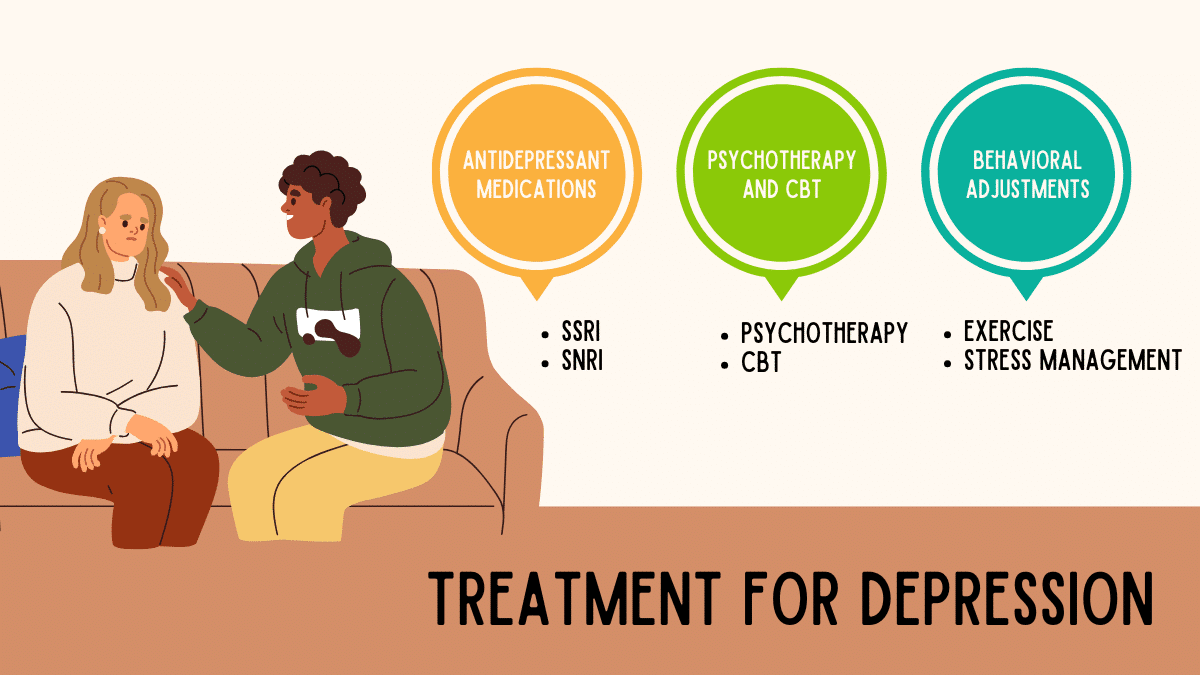
Treating depression involves various approaches depending on the severity of symptoms and individual needs. Common treatment methods include:1. Antidepressant Medications, such as SSRIs and SNRIs
Antidepressants are medications used to treat depression and other mood disorders. Their primary goal is to balance brain chemicals that affect mood and emotions. SSRIs (Selective Serotonin Reuptake Inhibitors) and SNRIs (Serotonin-Norepinephrine Reuptake Inhibitors) are among the most commonly prescribed antidepressants due to their effectiveness and relatively mild side effects compared to older medication classes. These medications can help alleviate symptoms, but they typically require a few weeks to take effect. It's important to use them under the supervision of a healthcare professional, as individual responses and side effects vary.SSRI
SSRIs function by increasing the levels of serotonin in the brain. Serotonin is a neurotransmitter that plays a crucial role in regulating mood, sleep, and appetite. SSRIs work by inhibiting the reuptake of serotonin in nerve cells, allowing more serotonin to remain in the synaptic space between neurons. This increased availability of serotonin helps improve mood and alleviate symptoms of depression. These medications are widely used due to their effectiveness and relatively mild side effects compared to older antidepressants. However, they should always be taken under medical supervision to ensure proper use and monitor for potential side effects.SNRI
SNRIs function similarly to SSRIs but target an additional neurotransmitter, norepinephrine, alongside serotonin.- Serotonin plays a key role in regulating mood, sleep, and appetite.
- Norepinephrine is involved in mood regulation, alertness, and stress response.
2. Psychotherapy and Cognitive Behavioral Therapy (CBT)
Psychotherapy involves talking with a psychologist or psychiatrist to address mental and behavioral issues. Its goal is to modify thought patterns and responses to situations in a healthy and constructive way. Cognitive Behavioral Therapy (CBT) is a widely used and effective psychotherapy technique. It focuses on changing negative thought patterns and behaviors to manage mental health conditions such as depression, anxiety, and obsessive-compulsive disorder (OCD). Principles of CBT- Thoughts, feelings, and behaviors are interconnected.
- Changing negative thoughts can improve emotions and behaviors.
- Techniques include:
- Reframing Negative Thoughts: Challenging and replacing unhelpful thoughts.
- Behavioral Activation: Encouraging positive behaviors.
- Mindfulness Training: Developing awareness of thoughts and emotions without judgment.
- Structured and results-oriented, often yielding improvements in a short period.
- Helps build skills to handle everyday challenges.
- Effective for a range of issues, including depression, anxiety, and PTSD.
- Requires active participation and commitment from the individual.
- May not be suitable for highly complex or severe cases.
3. Behavioral Adjustments for Better Mental Health
Making lifestyle changes is an effective way to promote mental health and alleviate symptoms of depression or anxiety. Adjustments in daily habits, such as regular exercise and stress management, play a significant role in improving emotional well-being. Exercise Exercise helps stimulate the release of endorphins, natural chemicals in the brain that promote happiness and reduce stress. It also improves sleep quality and boosts daily energy levels. Recommended Exercise Practices for Mental Health- Activities: Brisk walking, running, yoga, or dancing.
- Frequency: At least 30 minutes per day, 3–5 days per week.
- Benefits:
- Reduces symptoms of depression and anxiety.
- Enhances self-confidence.
- Improves overall emotional resilience.
Stress Management
Effective stress management reduces the impact of stress on mental and physical health. Various techniques can help you relax and achieve better emotional balance. Here are some proven stress management methods:
Stress Management Techniques
- Meditation
- Trains the mind to remain calm, reduces intrusive thoughts, and enhances focus.
- Deep Breathing
- Slows the heart rate and relaxes tense muscles, promoting a sense of calm.
- Engaging in Enjoyable Activities
- Activities like drawing, reading, or listening to music can boost happiness and relaxation.
- Journaling
- Writing down thoughts and feelings helps release emotions and organize your thoughts.
- Ending Violence Against Women Children and Transgender Women: An HIV Perspective
- HIV and Mental Health: Understanding the Connection and Coping Strategies
- medparkhospital.com/disease-and-treatment/depression
- praram9.com/depression
- rama.mahidol.ac.th/ramamental/generalknowledge/general/09042014-1017
Verified references
Links and relevance to the article’s main topic were reviewed on 13 August 2026. Each source supports only the scope stated in the original document and does not replace personalised medical, legal, or service advice.
- WHO: Depression fact sheet Accessed 13 August 2026

Written and reviewed by
Love Foundation Editorial Team
Health and community-rights editorial team
Published 9 December 2024
Last updated 14 August 2026