Masturbation: Frequency, Benefits and Safer Practice
Learn why masturbation is common, why there is no universal “normal” frequency, how to reduce irritation, and when pain or loss of control deserves support.
อ่านภาษาไทย
Contents
Many men still have questions and uncertainties about Male Masturbation—whether it is safe, healthy, or beneficial in the long term. This article explores practical guidance and techniques that can help create a positive, safe, and health-conscious experience. For most men, Male Masturbation often begins during adolescence and can later contribute to improved sexual satisfaction, as it helps build a deeper understanding of one’s own body. However, misconceptions formed at a young age may lead to shame, fear, or guilt surrounding this topic. Preferences and attitudes toward Male Masturbation vary widely—some men enjoy it, while others may not engage in it at all. Research consistently shows that men tend to practice Male Masturbation more frequently than women, and younger individuals more than older adults. Ultimately, understanding both the benefits and potential downsides of Male Masturbation is essential for maintaining overall sexual and mental well-being.
☰ List of Contents
- The Importance of Male Self-Pleasure
- Disadvantages of Male Self-Pleasure
- Safe & Healthy Male Self-Pleasure Techniques
- Factors That Influence Male Self-Pleasure
- Benefits of Male Self-Pleasure
The Importance of Male Masturbation
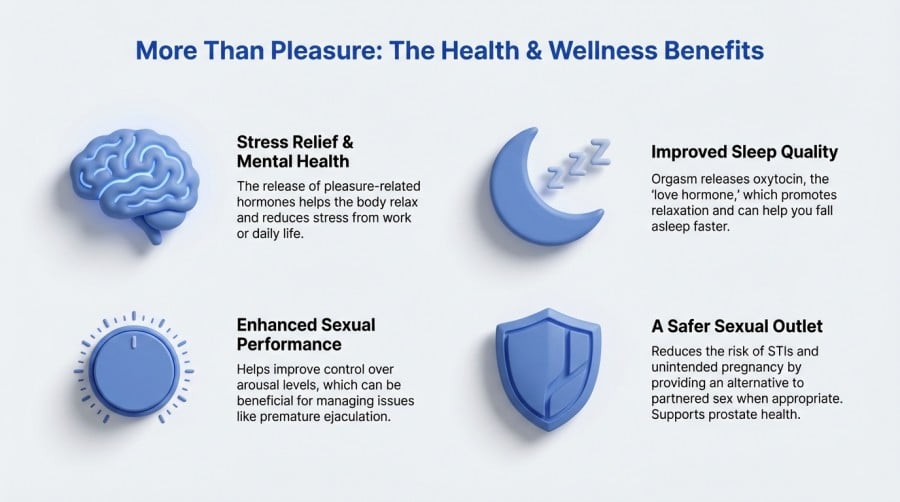
Male Masturbation plays an important role in stress relief. Many men around the world find it to be an effective way to reduce stress caused by work pressure, relationship challenges, or daily life difficulties. The process stimulates the release of pleasure-related hormones, helping the body relax and improving overall mental health. In addition, Male Self-Pleasure can reduce the risk of sexually transmitted infections and prevent issues related to unintended teenage pregnancy. It also supports sexual health by allowing men to avoid sexual encounters when they are not with a committed partner.
For men who experience difficulty with ejaculation—such as premature ejaculation—Male Self-Pleasure can help improve control and awareness of arousal levels. Furthermore, it can contribute to better sleep. During orgasm, the brain releases oxytocin, often referred to as the “love hormone,” which promotes relaxation, reduces stress, and helps the body fall asleep faster—especially after sexual release.
Disadvantages of Male Masturbation
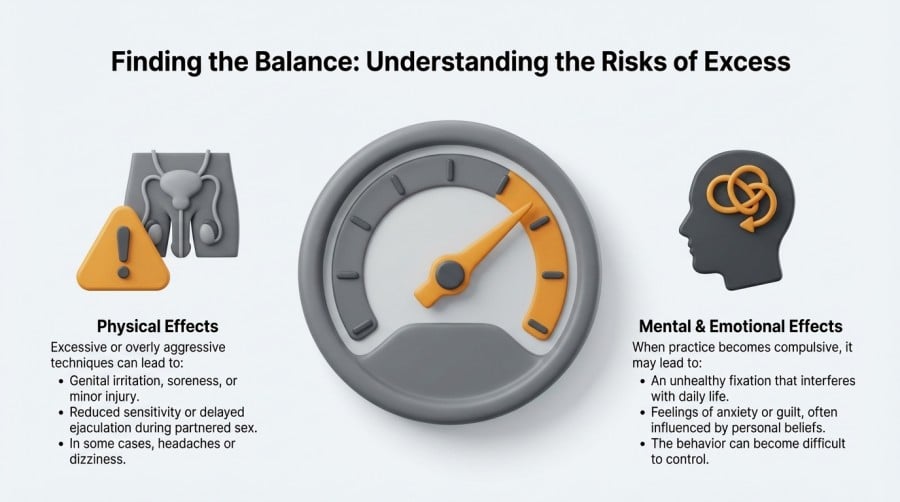
Physical Effects
- Excessive or rough Male Self-Pleasure may cause genital irritation or injury, including bruising, soreness, small wounds, or even infection.
- Some men may experience headaches, nausea, dizziness, or lightheadedness if Male Masturbation becomes too frequent, potentially leading to dehydration or temporary nutrient imbalance.
- Overstimulation through frequent Male Masturbation may also contribute to delayed ejaculation or reduced sensitivity during partnered sex, as the body becomes accustomed to a specific type of self-stimulation.
Mental Effects
- Excessive Male Self-Pleasure may lead to an unhealthy fixation on sexual thoughts, which can interfere with daily responsibilities and personal relationships.
- Some individuals may develop anxiety or depressive feelings due to guilt or shame associated with Male Masturbation, especially if influenced by cultural or personal beliefs.
- In certain cases, habitual Male Masturbation can become a compulsive behavior, making it difficult to control or reduce without conscious effort.
Overall, Male Masturbation is considered normal and safe when practiced in moderation. It should not be excessive, overly aggressive, or done in inappropriate settings. If unusual physical or emotional symptoms occur, consulting a healthcare professional is recommended.
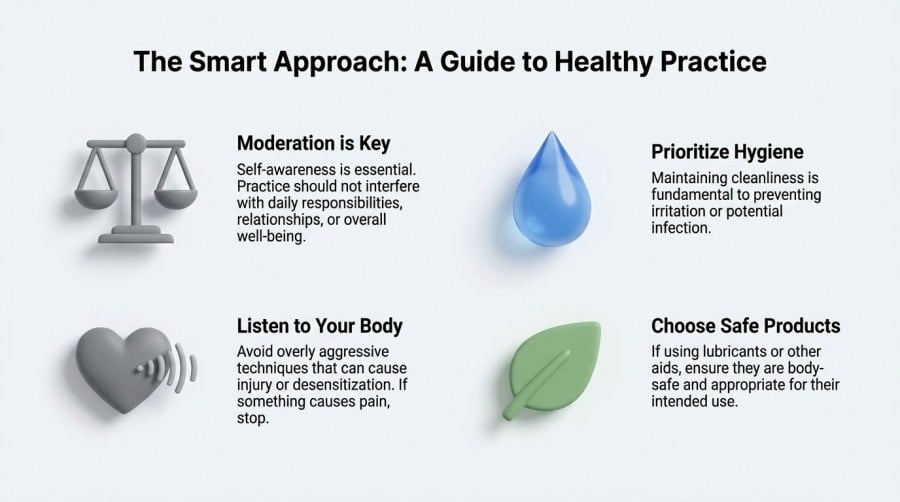
Safe and Healthy Male Masturbation Techniques
Practicing Male Self-Pleasure in a healthy way helps reduce risks and enhances well-being. Key considerations include maintaining proper hygiene, choosing safe products, finding comfortable positions, and avoiding excessive frequency. Moderation and self-awareness are essential for maintaining balance.Factors That Influence Male Masturbation
Male Self-Pleasure is a natural sexual behavior, particularly common during periods of sexual development. Several factors influence when and why individuals begin this practice.
- Sexual development during adolescence brings significant physical and emotional changes, often increasing curiosity about sexuality. Media exposure, including online content and social platforms, can also shape awareness and curiosity related to Male Self-Pleasure.
- Hormonal changes during puberty naturally increase sexual desire. Additionally, learning and self-exploration play a role, as some individuals seek information to better understand their bodies and sexual responses.
- Sexual thoughts, fantasies, emotional impressions, and mental health factors—such as stress relief and relaxation—also contribute to the motivation for Male Self-Pleasure.
Benefits of Male Masturbation
Male Masturbation offers several potential benefits when practiced responsibly. It can promote relaxation, reduce stress, and improve sleep quality. Some studies suggest that regular ejaculation may support prostate health and reduce the risk of certain conditions, including prostate cancer. Male Masturbation also lowers the risk of sexually transmitted infections by reducing the need for risky sexual encounters. Beyond physical benefits, it helps men develop better sexual self-awareness, leading to improved confidence and healthier sexual relationships.
Male Self-Pleasure, sometimes referred to casually as “Jerking off” is a normal and generally safe practice when done appropriately. It not only supports sexual pleasure but also contributes to overall sexual health, encouraging men to understand and listen to their bodies with greater awareness and acceptance.
📚 References- Does Frequent Masturbation Affect Men’s Health?
- How Often Is Masturbation Considered Normal for Sexual Satisfaction?
- Doctors Confirm: Masturbation Before Sleep Has More Benefits Than You Think
Masturbation is a common sexual behaviour. There is no medically correct number of times per day or week; comfort, consent, privacy, and the effect on everyday life matter more than a count.
When can masturbation become a concern?
Consider seeking support if the behaviour repeatedly causes injury, disrupts sleep, work, study, or relationships, or feels impossible to delay despite unwanted consequences. A sexual-health professional or mental-health clinician can help without judgement.
Persistent genital pain, swelling, bleeding, urinary symptoms, or a wound that does not heal should be assessed rather than hidden with numbing products or more friction.
Frequently asked questions
Is it harmful to masturbate every day?
Not necessarily. Daily masturbation can be compatible with good health when it is comfortable, private, and does not interfere with everyday priorities. Rest if the skin becomes sore or irritated.
Does masturbation cause infertility?
Routine masturbation does not cause infertility. Fertility concerns require an appropriate medical history and tests rather than assumptions based on masturbation frequency.
When should genital pain be checked?
Seek care for severe or persistent pain, swelling, bleeding, discharge, urinary symptoms, fever, or a wound that is not improving.
Primary sources reviewed: NHS: Sexual health information · Love2Test clinic directory
Verified references
Links and relevance to the article’s main topic were reviewed on 13 August 2026. Each source supports only the scope stated in the original document and does not replace personalised medical, legal, or service advice.
- NHS service: Masturbation Accessed 13 August 2026
- WHO: Sexual health Accessed 13 August 2026