HIV: Transmission, Testing, Prevention, and Treatment
HIV is a virus that damages the immune system, and without treatment it can progress to the advanced stage known as AIDS.
อ่านภาษาไทย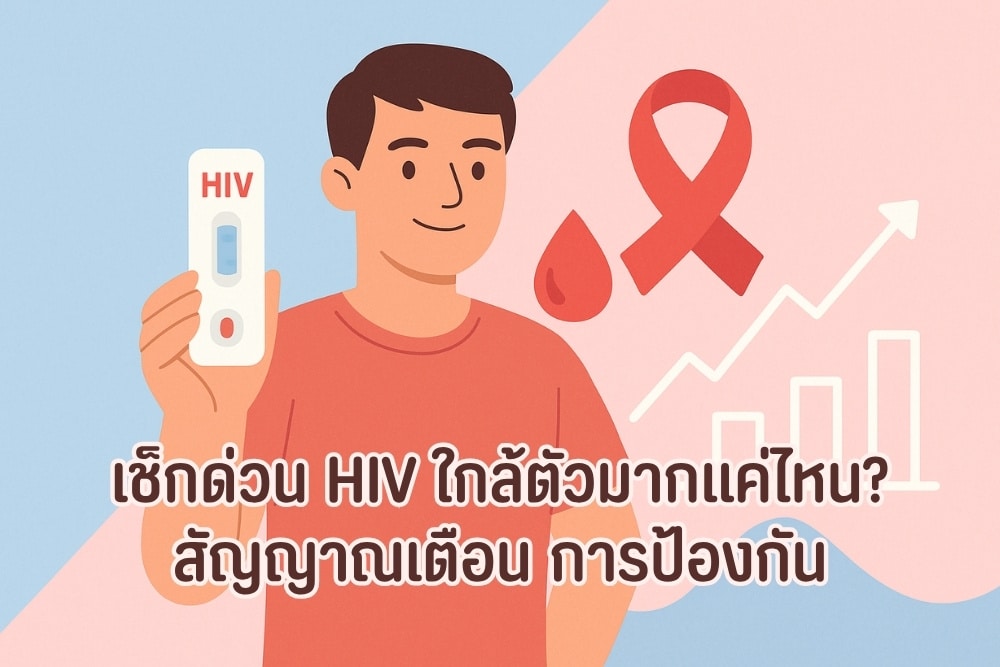
Contents
HIV is a virus that causes immune deficiency. If it is left untreated, it can progress to a condition known as AIDS (Acquired Immunodeficiency Syndrome), the late stage of HIV infection in which immunity is very low and complications can develop. HIV enters the body and destroys a type of white blood cell called CD4. Some people show no symptoms at all, but the infection gradually weakens the body's immune system, increasing the risk of opportunistic infections such as meningitis, tuberculosis, and pneumonia. Without treatment, it can eventually be fatal.
What Causes HIV Infection
HIV (Human Immunodeficiency Virus) is a virus that damages the body's immune system, causing it to function poorly. This makes a person living with HIV more susceptible to infections and illnesses than someone without the virus. More than 10 strains of HIV have been identified around the world. The original strains are divided into two types based on their genetic characteristics:
- HIV-1: found mainly in the United States, Europe, and Central Africa
- HIV-2: found mainly in India and West Africa
HIV carries the p24 antigen, a viral protein that prompts the human immune system to produce antibodies against it, and this affects how the immune system functions within the body. Once the body has been infected with HIV, it cannot clear the virus, and HIV remains for life.
Possible Symptoms of HIV Infection
About 14 to 28 days after being infected with HIV, a person may develop symptoms similar to a common flu or to other viral infections, which are the body's reaction to the virus. These symptoms usually clear up on their own within a few weeks, after which there may be no symptoms for many years. During this time, a person living with HIV can still easily pass the virus to others.
- Fever and chills
- Persistent cough
- Muscle weakness
- Body aches and fatigue
- Headache and dizziness
- Nausea and vomiting
- Skin rash, skin inflammation, or blotchy bruising
- Swollen lymph nodes
- Weight loss and chronic diarrhea
- Unusually heavy sweating
If you notice any of these symptoms, do not ignore them. See a doctor promptly for a blood test to be sure. If the test shows that HIV is present, treatment can be started and transmission to others can be prevented in time.
How Many Stages Does HIV Have?
The symptoms that appear once a person has been infected with HIV can be divided into four stages:
Acute HIV Infection
Also called primary infection, or the early stage of HIV infection. People in this stage show only minor abnormalities. This is the stage when the body has recently been infected with HIV. The body begins to build immune defenses against the virus in order to fight it, which leads to flu-like symptoms such as fever, chills, sore throat, body aches, rash, and swollen lymph nodes in the neck. Some people may also have nausea, vomiting, loose stools, weight loss, or white patches in the mouth. These symptoms usually last from about 1 to 2 weeks, up to around 28 days, and then resolve on their own. This stage is fairly difficult to diagnose, so a blood test to detect HIV is the most reliable way to confirm it.
Latent HIV Infection
Also called the clinically latent stage in medical terms. In this stage the body still carries HIV, but the virus replicates and destroys white blood cells only in very small amounts, so a person living with HIV has no symptoms. This stage can last for many years, depending on the aggressiveness of the virus and the health of the person's immune system.
Chronic HIV Infection
This is the stage of more serious opportunistic infection. People in this stage show clearer symptoms, though the symptoms are usually not severe, such as tuberculosis, recurring lung problems, fungal growth on the tongue, shingles, and herpes. The virus embeds itself in the lymph nodes and spleen, so the immune system cannot clear it. Most people in this stage still do not have obvious, distinctive symptoms.
Late-Stage HIV Infection, or AIDS
This is the stage in which the immune system has been so badly damaged that it becomes very weak, leaving the person at high risk of various opportunistic infections. It is the final, life-threatening stage, because of the additional complications that can arise. People in this stage show clearly severe symptoms, such as extreme fatigue, rapid weight loss, chronic diarrhea, tuberculosis, fungal infection of the brain, and certain types of cancer. AIDS usually begins when the CD4 white blood cell count drops below 200 cells per microliter of blood.
“An important point: people living with HIV in stages 1 and 2 are not yet considered to have AIDS.”
How Is HIV Transmitted?
- Having sex with a person who has HIV without using a condom
- Contact with the blood and bodily fluids of a person living with HIV, such as semen, vaginal fluid, and breast milk
- Transmission through open wounds, herpes sores, and infected sores
- Sharing needles for injecting drugs, sharing needles for ear piercing, and tattooing the skin
HIV Transmission from Mother to Child
- This is the transmission of HIV from a mother living with the virus to her child during pregnancy, childbirth, or after birth. It can happen in several ways during pregnancy, such as through the placenta, through the umbilical cord, or through the mother's bodily fluids coming into contact with the baby during delivery. HIV can also be transmitted after birth through breast milk.
- The risk of passing HIV from mother to child depends on several factors, such as the viral load in the mother's blood, the stage of pregnancy, the baby's health, and whether the mother is taking antiretroviral therapy.
- If a mother living with HIV does not receive appropriate treatment, her baby has a high risk of acquiring HIV, around 25 to 40 percent. However, if a mother living with HIV receives appropriate antiretroviral therapy from before pregnancy, the risk of passing HIV from mother to child can be reduced to less than 2 percent.
- Antiretroviral therapy can help prevent HIV from passing from mother to child by suppressing the growth of the virus in the mother's body, lowering the viral load in her blood to nearly undetectable levels, which reduces the risk of transmission. In addition, good delivery planning and appropriate care of the baby after birth can further help prevent mother-to-child transmission.
- If a mother is at risk of HIV, she should have a blood test to check for the virus. If HIV is detected, she should talk with a doctor about treatment and about appropriate care for the newborn after birth.
Steps for HIV testing.
How to Prevent HIV Infection
You can prevent HIV infection by avoiding behaviors that put you at risk. Stay aware and follow these measures:
- Use a condom every time you have sex.
- Avoid having sex with anyone other than your spouse or partner, and avoid sex with people you do not know.
- Do not share needles for injecting drugs.
- If you get a tattoo or a piercing anywhere on your body, make sure the shop is safe and trustworthy.
- Always keep in mind that anyone can acquire HIV, so do not simply assume a sexual partner is HIV-free, and protect yourself carefully.
- Get a blood test before marriage to make sure that neither partner has HIV or another disease that could be passed to the other.
- Get tested for HIV at least once or twice a year.
- Take PrEP (Pre-Exposure Prophylaxis), which helps prevent HIV and reduce the risk of acquiring it through sex by as much as 90 percent.
- Do not forget to test for HIV regularly. Find testing locations across the country here: love2test.org/th/clinic
Treatment and Care for People Living with HIV
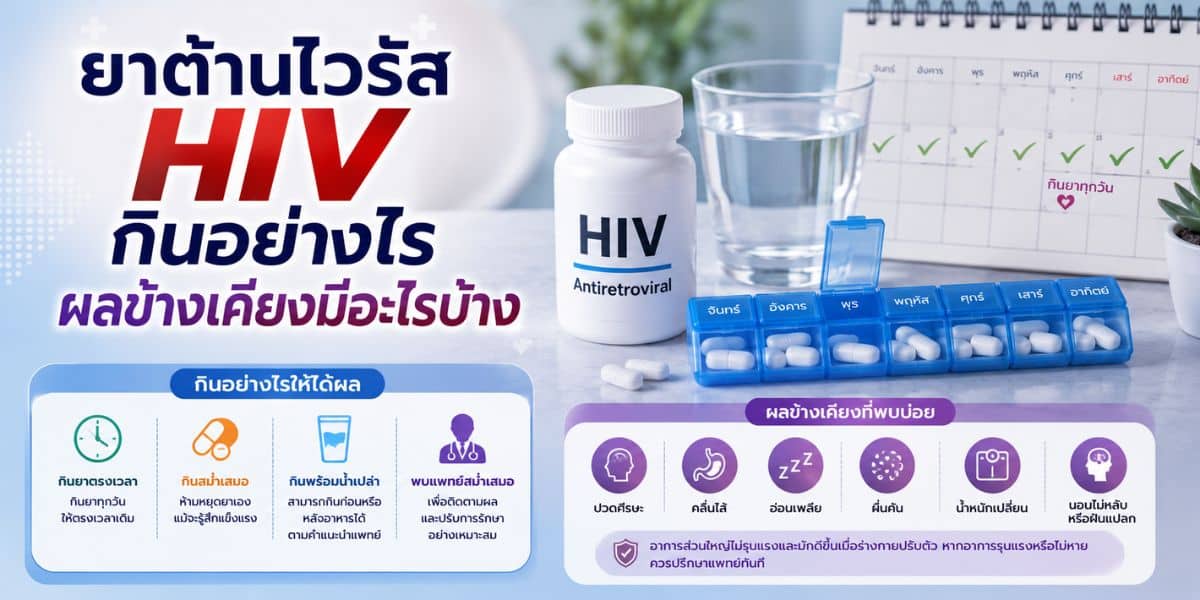
At present, HIV cannot be completely cured from the body. The best way to control the virus is treatment with antiretroviral therapy.
- Exercise regularly and get enough sleep.
- Eat nutritious food, and quit smoking and alcohol.
- Care for your mental health, staying positive and free of stress.
In summary, HIV is a condition that can be managed with the right treatment, care, and support. Detecting HIV early, taking antiretroviral therapy strictly and consistently, choosing a healthy lifestyle, and having emotional support are all key parts of living with HIV.
By reducing stigma, raising awareness, and staying informed about the latest advances in HIV treatment, we can move toward a world where HIV is no longer a life-threatening disease for everyone, but a manageable condition that lets each person live life in their own way. Remember, you are not alone on this journey, and there is hope for a brighter future.
Verified references
Links and relevance to the article’s main topic were reviewed on 13 August 2026. Each source supports only the scope stated in the original document and does not replace personalised medical, legal, or service advice.
- WHO: HIV and AIDS fact sheet Accessed 13 August 2026