Can CRISPR Remove HIV from Cells? What Early Research Shows
Scientists have reported early success in using CRISPR gene-editing technology to cut HIV out of infected cells.
อ่านภาษาไทย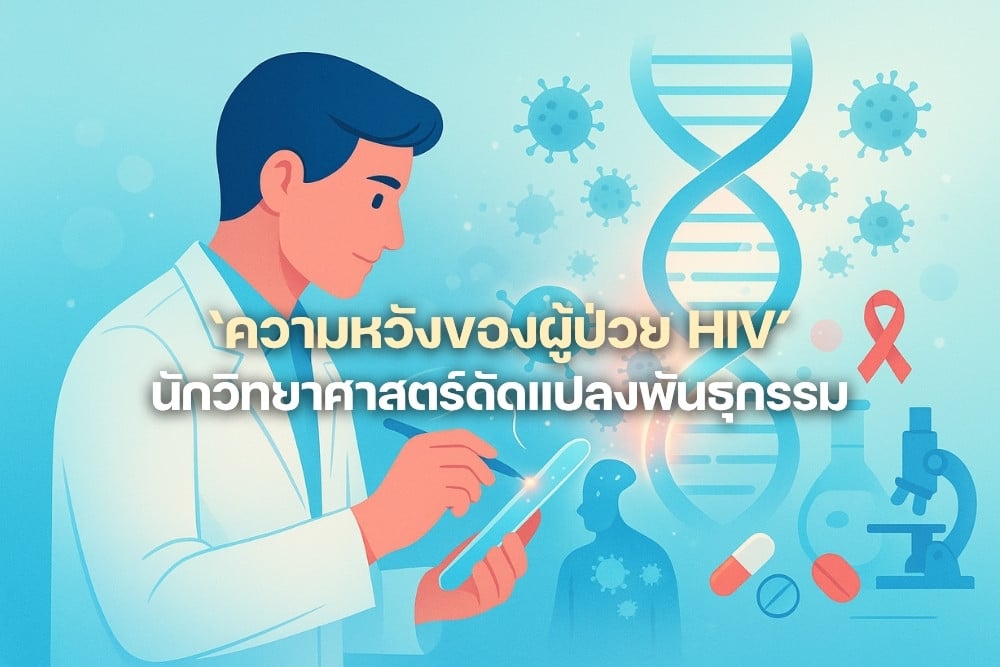
Contents
Scientists have reported success in editing HIV out of cells, removing the virus from cells infected with HIV, using the Nobel Prize-winning CRISPR gene-editing technology. CRISPR works like molecular "scissors" that cut DNA to remove or switch off unwanted genes. This research raises hope that HIV could one day be cleared from the body entirely, but a great deal of further study is still needed to confirm the safety and effectiveness of the approach.
How does editing HIV out of cells work?
CRISPR (Clustered Regularly Interspaced Short Palindromic Repeats) is a biological tool used to edit and modify DNA, particularly in medical research. CRISPR is flexible and can edit DNA with high efficiency and precision, making it an important tool for editing and improving genes for medical research. Because the concept behind CRISPR is so significant and has advanced so rapidly, it is now used across many areas of research and applied in the following ways:
- Gene editing: CRISPR can edit and improve the genes of humans, animals, and plants. It can be used to develop desired traits, such as improving health-related characteristics or the agricultural qualities of plants and animals.
- Medical research: CRISPR is important for studying diseases and their links to genetics, such as examining how genetically influenced diseases develop, or using CRISPR to develop treatments for serious illnesses such as cancer.
- Disease prevention: CRISPR can be used to prevent disease by editing the genes that cause it, for example editing genes to make people less susceptible to certain infections.
- Food technology: CRISPR can be used to improve the agricultural traits of plants, such as increasing their nutritional value or making them more resistant to disease and pests.
- Scientific experiments: CRISPR is also used to experiment with and further study the structure of enzymes and the processes within cells, helping researchers understand the functions of cells and organs in far greater depth.
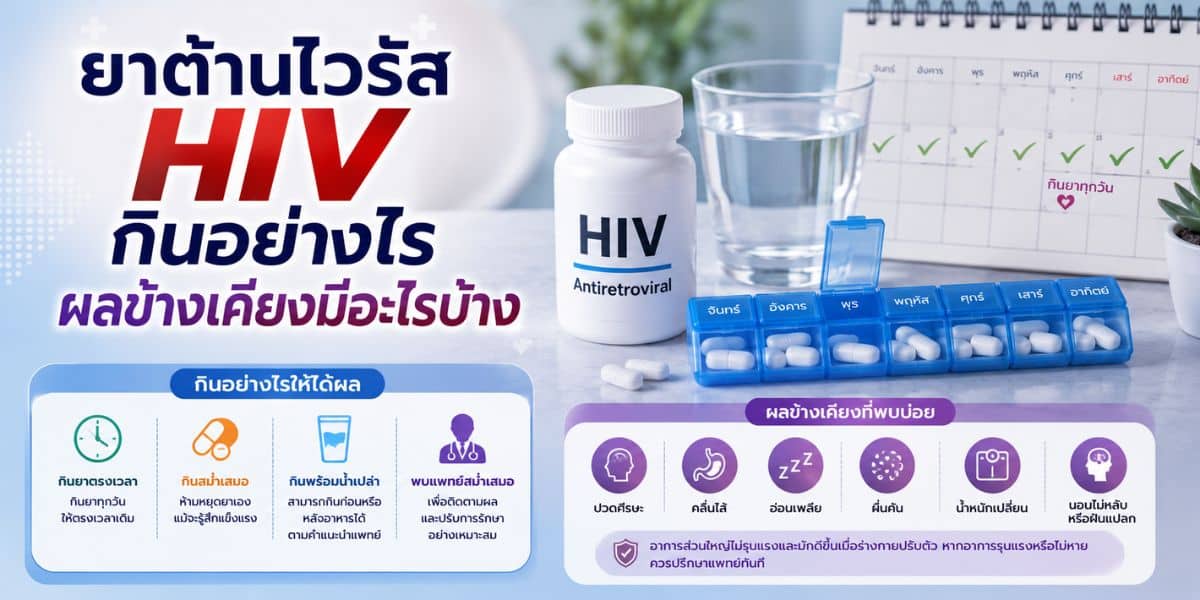
At present, existing antiretroviral medications for HIV may stop the virus from spreading, but they cannot eliminate it completely.
A research team from the University of Amsterdam is preparing to present preliminary findings at the ECCMID 2024 medical conference. However, the team stressed that this is only a "proof of concept" and not a definitive cure for HIV that will be available any time soon.
Dr. James Dixon, a specialist in cell and gene therapy technology at the University of Nottingham, agrees with the concept but believes the full research results still need to be examined in detail.
"Much more work is needed to confirm that results from experiments in cells can actually be applied to the whole human body and developed into a future treatment. This research still requires a great deal more development before it can make a difference for people living with HIV," he said.
Editing HIV out of cells remains a major challenge
Beyond the University of Amsterdam team, other scientists are also working to use CRISPR technology to fight HIV.
The company Excision BioTherapeutics reported that, after 48 weeks of testing, three volunteers living with HIV experienced no serious side effects. However, Dr. Jonathan Stoye, a virus specialist at the Francis Crick Institute in London, considers clearing HIV from every cell that could serve as a reservoir within the body to be a highly challenging task.
"Side effects on cells other than the target cells, which could cause long-term harm, remain a concern," he said. "So it is very likely that it will take many more years before CRISPR-based treatment becomes a standard approach, even in cases where its effectiveness can be proven."
What this research could mean for future HIV treatment
When someone acquires HIV and does not begin treatment, the body develops an infection, and HIV targets immune cells, hijacking the cells' own mechanisms to replicate in large numbers. Even with effective treatment, some HIV enters a state of clinical dormancy in which the virus's DNA, or genetic material, remains present even though no new viral particles are being produced. This is why people living with HIV need to take antiretroviral medication for life. If the medication is stopped, the dormant virus can begin to spread again and harm their health.
There have been rare cases of people cured of HIV as a result of intensive cancer treatment, which cleared some of the infected cells, but this is not a direct treatment for HIV. People who consistently take antiretroviral medication, which is highly effective, can have a life expectancy close to that of people without HIV.
Richard Angell of the Terrence Higgins Trust said, "Although a cure is still a long way off, this research is an important step in the search for a way to treat HIV and AIDS. Development of this technology into a treatment for people living with HIV should be accelerated."
Read other related news
- Thailand's Marriage Equality Act awaits its second reading on 27 March
- Love Foundation x APCOM join forces to advance digital health
In short, while there is still no cure for HIV, we do have highly effective treatments. People living with HIV who take their medication as prescribed can live long, healthy lives. In addition, PrEP, a medication that reduces the risk of acquiring HIV, is available for free to people who are HIV-negative at sexual health clinics nationwide. With the tools we already have, we can end new HIV infections in this country by 2030, which would be the first time we have stopped the virus without a vaccine or a cure.
Source: BBC News
Verified references
Links and relevance to the article’s main topic were reviewed on 13 August 2026. Each source supports only the scope stated in the original document and does not replace personalised medical, legal, or service advice.
- ClinicalTrials.gov: EBT-101 study (NCT05144386) Accessed 13 August 2026
- WHO: HIV and AIDS fact sheet Accessed 13 August 2026