What Is Antiretroviral Therapy (ART)? Benefits, Side Effects, and HIV Treatment
Antiretroviral therapy (ART) suppresses HIV, protects immune health, and helps people live long, healthy lives.
อ่านภาษาไทย
Contents
Antiretroviral therapy (ART) is a type of medication used to treat HIV infection. Antiretroviral medications work by inhibiting the replication of HIV in the body, which lowers the viral load and strengthens the body's immune system. This has been a major advance in managing HIV. In this article, we take a closer look at HIV antiretroviral medications, exploring their types, benefits, side effects, and the latest developments in HIV treatment. Let's understand together how these medications have revolutionized HIV care.
Types of HIV Antiretroviral Medications
HIV antiretroviral medications are divided into several types, each with properties suited to different stages of HIV infection. They can be taken as pills, injections, or subcutaneous implants, and are often used together as a three-drug combination (triple therapy) to make viral suppression more effective. There are five main classes, as follows.
Nucleoside Reverse Transcriptase Inhibitors (NRTIs)
Nucleoside reverse transcriptase inhibitors are a class of HIV antiretroviral medication that work by inhibiting the reverse transcriptase enzyme, which HIV uses to make copies of its own DNA. NRTIs are effective and safe HIV antiretroviral medications. This class is often used in combination with other HIV antiretroviral medications to improve the effectiveness of treatment. Examples of NRTIs include:
- Tenofovir Disoproxil Fumarate (TDF)
- Emtricitabine (FTC)
- Abacavir (ABC)
- Lamivudine (3TC)
- Zidovudine (AZT)
- Didanosine (ddI)
Side effects of NRTIs may occur, but they are usually mild and often go away on their own. Common side effects include:
- nausea, vomiting
- diarrhea, fatigue
- headache
- high blood lipids
- high blood sugar
Non-Nucleoside Reverse Transcriptase Inhibitors (NNRTIs)
Non-nucleoside reverse transcriptase inhibitors are a class of antiretroviral medication that work by inhibiting the reverse transcriptase enzyme, which HIV uses to make copies of its own DNA, similar to NRTIs. However, NNRTIs are non-competitive inhibitors that bind to the reverse transcriptase enzyme at a site near where it binds a nucleoside or nucleotide, preventing the enzyme from converting the virus's RNA into DNA. Examples of NNRTIs include:
- Efavirenz (EFV)
- Rilpivirine (RPV)
- Etravirine (ETR)
- Nevirapine (NVP)
The side effects of NNRTIs can be similar to those of the NRTI group, such as nightmares, dizziness, headache, nausea, vomiting, and diarrhea.
NRTIs and NNRTIs are often used together to treat HIV because they have different mechanisms of action, so they complement each other in inhibiting the reverse transcriptase (RT) enzyme, which helps reduce the chance of drug resistance.
Protease Inhibitors (PIs)
Protease inhibitors are HIV antiretroviral medications that work by inhibiting the protease enzyme, which HIV uses to assemble the proteins needed to build new virus particles. This prevents the enzyme from cutting the protein strands required to build new viruses, so the virus cannot assemble itself or replicate. PIs were one of the first classes of antiretroviral (ARV) drugs to be developed and remain effective for treating HIV infection. PIs are often used in combination with other HIV antiretroviral medications, such as NRTIs and NNRTIs, to enhance treatment effectiveness. Examples of PIs include:
- Atazanavir (ATV)
- Darunavir (DRV)
- Fosamprenavir (FPV)
- Indinavir (IDV)
- Lopinavir (LPV)
- Nelfinavir (NFV)
- Ritonavir (RTV)
- Saquinavir (SQV)
Common side effects of PIs include nausea, vomiting, diarrhea, headache, high blood lipids, high blood sugar, muscle weakness, and liver problems. Caution is also needed when taking these medications alongside other drugs, including antifungals, hepatitis C antivirals, and heart medications.
Entry Inhibitors
Entry inhibitors are HIV antiretroviral medications that block HIV from binding to white blood cells by attaching to the CCR5 or CXCR4 receptors, which HIV uses to enter cells. This prevents the virus from replicating. Medications in this class include:
- Maraviroc (MVC)
- Enfuvirtide (ENF)
Entry inhibitors differ from other HIV antiretroviral medications in that they directly block the virus from binding to white blood cells. They are highly effective at reducing the amount of virus in the blood and tend to have fewer side effects than other HIV antiretroviral medications.
Integrase Inhibitors (INIs)
Integrase inhibitors are HIV antiretroviral medications that inhibit the integrase enzyme, which HIV uses to integrate its viral DNA into the DNA of white blood cells. INIs are one of the most recently developed classes of HIV antiretroviral medications and are highly effective at reducing the amount of virus in the blood. INIs are often used in combination with other HIV antiretroviral medications, such as NRTIs, NNRTIs, or PIs, to enhance treatment effectiveness. By binding to HIV's integrase enzyme, INIs prevent it from integrating viral DNA into the DNA of white blood cells, so the virus cannot replicate. Examples of INIs include:
- Dolutegravir (DTG)
- Elvitegravir (EVG)
- Raltegravir (RAL)
Common side effects of INIs include headache, nausea, vomiting, diarrhea, muscle pain, and fatigue. Treatment with HIV antiretroviral medications is effective and safe, and people who start treatment in the early stages of infection can enjoy a good quality of life.
Today, Thailand starts HIV antiretroviral treatment as early as possible, beginning medication at every CD4 level and starting antiretrovirals on the same day a person learns they have HIV (same-day ART). Every Thai citizen, under every health coverage scheme, can receive antiretroviral treatment free of charge.
What Is Same-Day ART?
Same-day ART means starting HIV treatment on the same day HIV is diagnosed. It is a service designed so that people living with HIV who are ready to start medication and who do not have an opportunistic infection that would rule out starting antiretrovirals can access care and begin taking antiretroviral medication as soon as possible after learning they have HIV.
Same-day ART has several benefits, including:
- reducing the chance of transmitting HIV to others
- reducing the risk of developing opportunistic infections
- helping people living with HIV stay healthy and enjoy a good quality of life
Same-day ART works like this: a person gets tested for HIV at a hospital or clinic that offers same-day ART. If the result is positive, the doctor counsels the person and plans treatment together with them, and the person then receives antiretroviral medication to take home and start right away. This is an effective and safe treatment approach for people living with HIV, helping them live a full, healthy life and not transmit the virus to others.
How Much Do HIV Antiretroviral Medications Cost?
| Type of antiretroviral medication | Price |
|---|---|
| Lamivudine | 210–540 baht |
| Efavirenz | 210–840 baht |
| Tenofovir 300/Emtricitabine | 390–2,100 baht |
| Abacavir | 840–1,500 baht |
| Darunavir | 4,500–7,800 baht |
| PrEP (30 tablets) | 1,000–3,200 baht |
| PEP (30 tablets) | 2,500–18,200 baht |
*Prices vary depending on the service location and type of medication.
Guidelines for Taking HIV Antiretroviral Medication
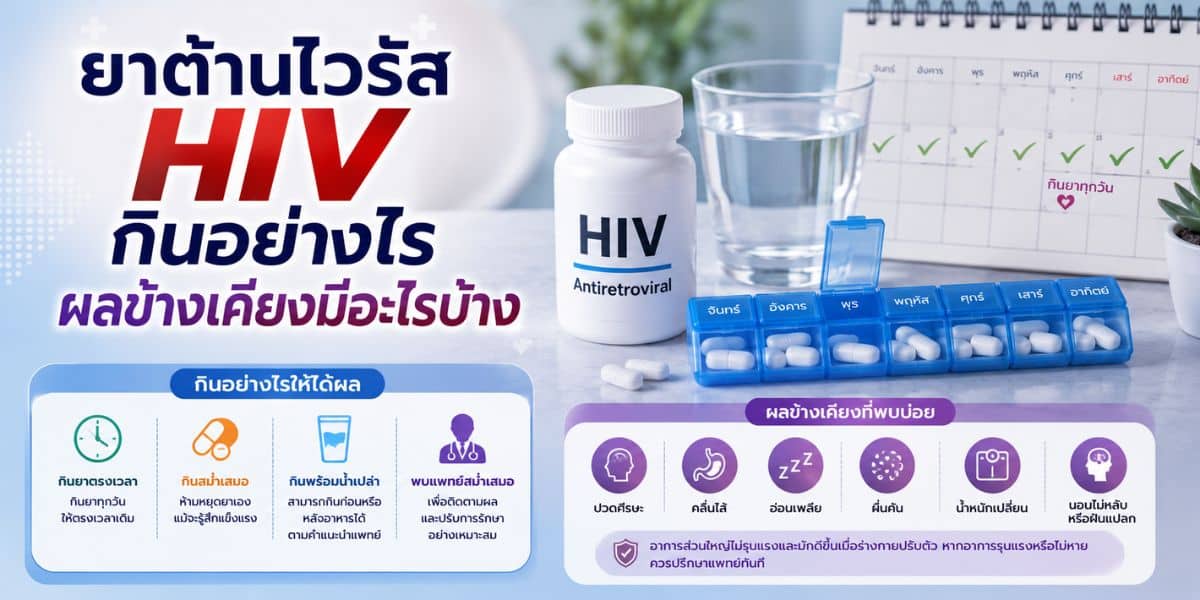
- Take your medication as prescribed, at the right time, every day.
- Do not change your medication on your own without consulting a doctor.
- If you want to take any medication besides what your doctor prescribed, always consult your doctor and pharmacist first.
- Take your medication consistently. If you stop for a while and then resume, drug-resistant strains can develop and treatment becomes much more difficult.
- If you find it hard to follow your treatment plan, consult your doctor to find a new approach that suits you.
Side Effects of HIV Antiretroviral Medication
Naturally, taking antiretroviral medication over the long term can cause side effects to watch for. So if you notice any unwanted symptoms or signs of a drug allergy, you should see a doctor to change your medication and get better care. Some symptoms may resolve on their own within one to two weeks. The side effects of antiretroviral medication can be divided into two main phases:
- Short-term side effects are usually seen in the first two to three months after starting the medication. Common symptoms include headache, nausea, vomiting, diarrhea, bloating, difficulty sleeping, nightmares, and mild rashes. These symptoms usually go away on their own as the body adjusts to the medication.
- Long-term side effects are usually seen after taking the medication for a long time. Common symptoms include high blood sugar (causing frequent thirst and urination), abnormal distribution and buildup of body fat in the wrong places (such as fat deposits on the back of the neck, a heavier trunk, thinning arms and legs, and sunken cheeks), osteoporosis, kidney failure, and liver inflammation, among others.
Severe side effects of HIV antiretroviral medication include:
- Allergic drug reactions, which are rare, with symptoms such as red rash, itching, swelling, and difficulty breathing.
- Irregular heartbeat (arrhythmia), which is rare, with symptoms such as palpitations and a rapid heartbeat.
- Liver inflammation, which is rare, with symptoms such as abdominal pain, nausea, vomiting, and yellowing of the eyes and skin (jaundice).
- Kidney failure, which is rare, with symptoms such as reduced urine output and swelling throughout the body.
If you experience side effects from antiretroviral medication, consult a doctor promptly for advice on managing your symptoms.
Benefits of HIV Antiretroviral Medication
HIV antiretroviral medication (antiretroviral therapy, ART), also called ARVs, is medication used to treat HIV that effectively lowers the amount of virus in the blood (viral load), allowing people to live a full, healthy life. The benefits of HIV antiretroviral medication include:
- Lowering the amount of virus in the blood. Antiretroviral medication inhibits HIV from replicating, which reduces the viral load. When the viral load falls, the chance of transmitting HIV to others also falls.
- Improving quality of life. People living with HIV who take antiretroviral medication consistently stay healthier and enjoy a better quality of life. They can work, study, and live normally.
- Reducing the risk of opportunistic infections. People living with HIV who adhere closely to antiretroviral therapy have a stronger immune system, which reduces the risk of the various complications often seen in people living with HIV.
- Reducing the risk of death. People living with HIV who receive antiretroviral therapy have a lower risk of death.
- Reducing the risk of cardiovascular disease. People living with HIV who take antiretroviral therapy consistently have a lower risk of heart and blood vessel disease.
- Reducing the risk of diabetes. People living with HIV who take antiretroviral therapy consistently have a lower risk of developing diabetes.
What Antiretroviral Medications Are There for HIV Prevention?
There are two types of antiretroviral medication for preventing HIV infection:
PrEP: Prevention "Before" Exposure
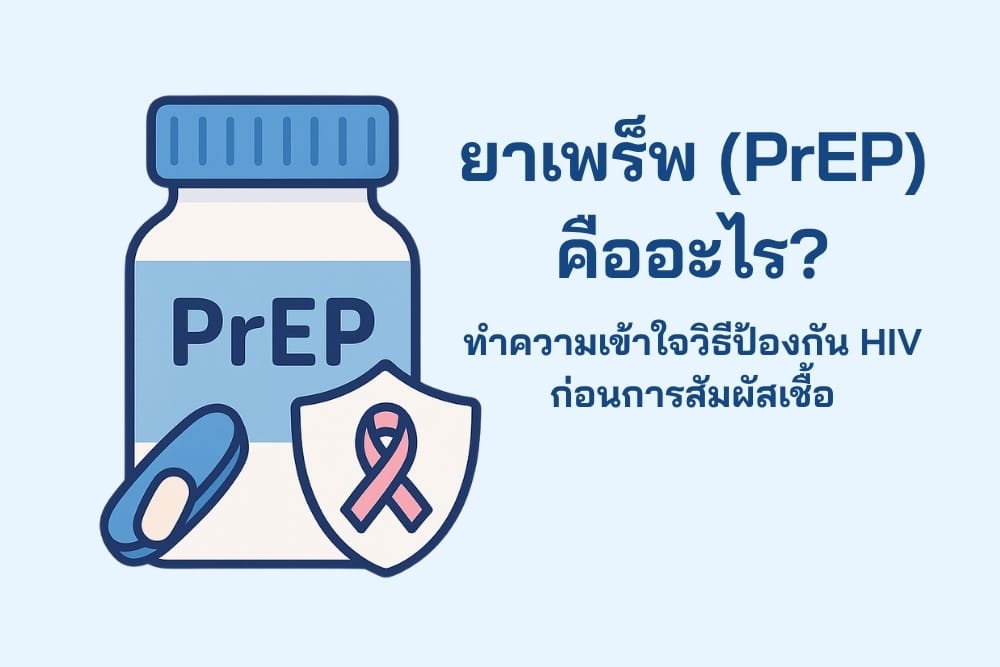
PrEP stands for pre-exposure prophylaxis. It is an HIV antiretroviral medication used to prevent HIV infection before exposure to the virus, that is, before infection occurs, by taking one tablet at the same time every day. PrEP is highly effective at preventing HIV infection from sex, with more than 95% effectiveness when taken correctly, and it is more than 70% effective at preventing HIV infection among people who inject drugs.
PrEP can be used by people of any gender aged 18 or older who are at high risk of HIV infection, such as people who regularly have sex without condoms, people who have multiple partners, people who inject drugs, and people who do sex work. It is an effective and safe way to prevent HIV infection and reduce the risk of infection, and it should be used together with condoms to increase protection against HIV and other sexually transmitted infections (STIs). Anyone interested in PrEP should consult a doctor for guidance on starting the medication and following up. Find a PrEP provider here.
PEP: Prevention "After" Exposure
PEP stands for post-exposure prophylaxis. It is an HIV antiretroviral medication used to prevent HIV infection after exposure to the virus, that is, after a possible risk of infection, by taking the medication within 72 hours of exposure. PEP is up to 70% effective at preventing HIV infection from sex when taken correctly, and it is also effective at preventing infection among people who inject drugs. PEP works best when the person at risk takes it strictly and on time every day for 28 continuous days and returns for a follow-up HIV test as scheduled.
PEP can be used in cases such as not wearing a condom or a condom breaking, slipping, or leaking during sex; sharing needles with others; having sex while intoxicated or not fully conscious and being unable to remember whether protection was used; a doctor or healthcare worker being stuck by a needle, cut by a surgical instrument, or exposed to the blood of a person living with HIV; or people at high risk after sexual assault. Anyone who needs PEP should consult a doctor promptly, within 72 hours, for guidance on starting the medication and following up. Find a PEP provider here.
How Do PrEP and PEP Differ?
PrEP and PEP are both HIV antiretroviral medications used to prevent HIV infection, but they differ in important ways, as follows:
| PrEP | PEP | |
|---|---|---|
| What it means | Prevention before exposure | Prevention after exposure |
| Duration of use | Every day | 28 days |
| Effectiveness | More than 95% | More than 70% |
| Dosage | Once a day | Once or twice a day, depending on the medication |
| Indication | Used when there is frequent risk | Used only in emergencies |
| Side effects | Nausea, headache, diarrhea | Nausea, headache, diarrhea |
| Follow-up | HIV test every 3–6 months | HIV test after completing the medication |
Read other articles related to HIV antiretroviral medication
- What is CD4? Understanding its importance for people living with HIV
- Undetectable equals untransmittable (U=U)
- HIV treatment
In the fight against HIV, antiretroviral medications have become an essential tool that clearly extends life and improves the quality of life for people living with HIV. With continuous research and development, there is hope for a world free of AIDS. That is why it is essential for everyone to get tested, receive treatment, and follow their doctor's advice closely for the best possible outcomes, and to take part in ending the AIDS epidemic.
This article highlights the importance of HIV testing and of continuous treatment with antiretroviral medications so that people living with HIV can stay healthy and live long lives. It also offers hope that in the future there will be a way to cure AIDS completely.
Verified references
Links and relevance to the article’s main topic were reviewed on 13 August 2026. Each source supports only the scope stated in the original document and does not replace personalised medical, legal, or service advice.
- NIH HIVinfo: HIV Treatment Basics Accessed 13 August 2026
- NIH HIVinfo: HIV Medicines and Side Effects Accessed 13 August 2026
- WHO: HIV and AIDS fact sheet Accessed 13 August 2026