HIV and PrEP: The Basics and Benefits
HIV and PrEP basics, safe use and monitoring, and the important fact that PrEP prevents HIV but not gonorrhea, syphilis, or other STIs.
อ่านภาษาไทย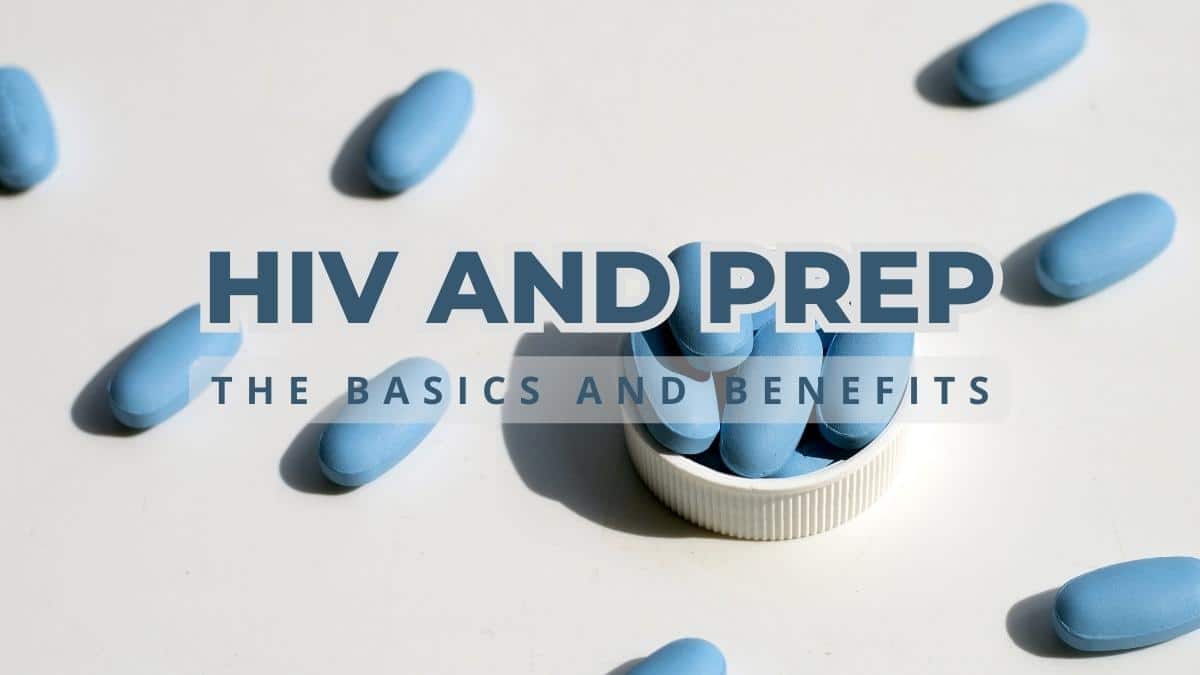
Contents
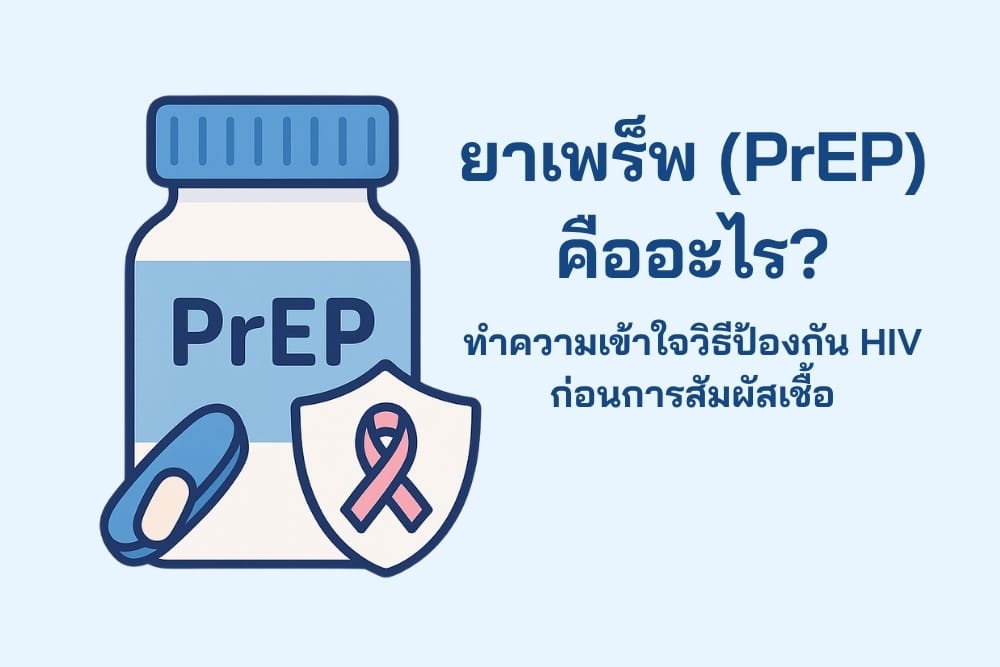
PrEP (pre-exposure prophylaxis) is HIV-prevention medication for people who do not have HIV. It must be used according to a schedule appropriate for the medicine and the individual. When taken as prescribed, PrEP reduces the risk of acquiring HIV from sex by about 99% and from injection drug use by at least about 74%. PrEP does not prevent other sexually transmitted infections (STIs) or pregnancy.
How Is HIV Transmitted?
HIV can be transmitted when blood, semen including pre-seminal fluid, vaginal or rectal fluids, or breast milk containing transmissible virus reaches a mucous membrane, damaged tissue, or the bloodstream. Major routes include anal or vaginal sex, shared injection equipment, and transmission during pregnancy, birth, or breastfeeding. HIV is not transmitted by hugging, holding hands, sharing dishes or toilets, or mosquito bites.
How Does PrEP Work?
PrEP maintains antiretroviral medicine in the body at a level that helps stop HIV from establishing infection after exposure. Oral and long-acting injectable options are available in some countries. The best option depends on the type and frequency of exposure, ability to use medicine consistently, kidney function, hepatitis B status, and local availability.
Before and During PrEP
- Confirm that you do not have HIV before starting and repeat testing on schedule.
- Check kidney function and hepatitis B status when relevant to the regimen, and test for STIs as advised.
- Tell the provider about symptoms of possible acute HIV or any missed tablets or late injections.
- Do not stop on your own, particularly if you have hepatitis B, because liver monitoring may be needed after stopping some oral regimens.
What Does PrEP Not Prevent?
PrEP prevents HIV only. It does not prevent gonorrhea, chlamydia, syphilis, herpes, HPV, or other STIs. Condoms and dental dams reduce the risk of many STIs, and regular screening supports early treatment. If a possible HIV exposure has already occurred within the past 72 hours, seek an urgent assessment for PEP instead of starting PrEP on your own.
Verified references
Links and relevance to the article’s main topic were reviewed on 13 August 2026. Each source supports only the scope stated in the original document and does not replace personalised medical, legal, or service advice.
- CDC: Clinical Guidance for PrEP Accessed 13 August 2026
- WHO: HIV and AIDS fact sheet Accessed 13 August 2026