
Doxy-PEP: A New Option to Reduce the Risk of Sexually Transmitted Infections
Doxy-PEP is another option for preventing sexually transmitted infections that is drawing a great deal of attention in the medical community.
Read article → HIV Test · Get PrEPTH
LOVE FOUNDATION BLOG
Published articles from our original WordPress archive, organised for easier discovery.
Doxy-PEP is another option for preventing sexually transmitted infections that is drawing a great deal of attention in the medical community.
Read article →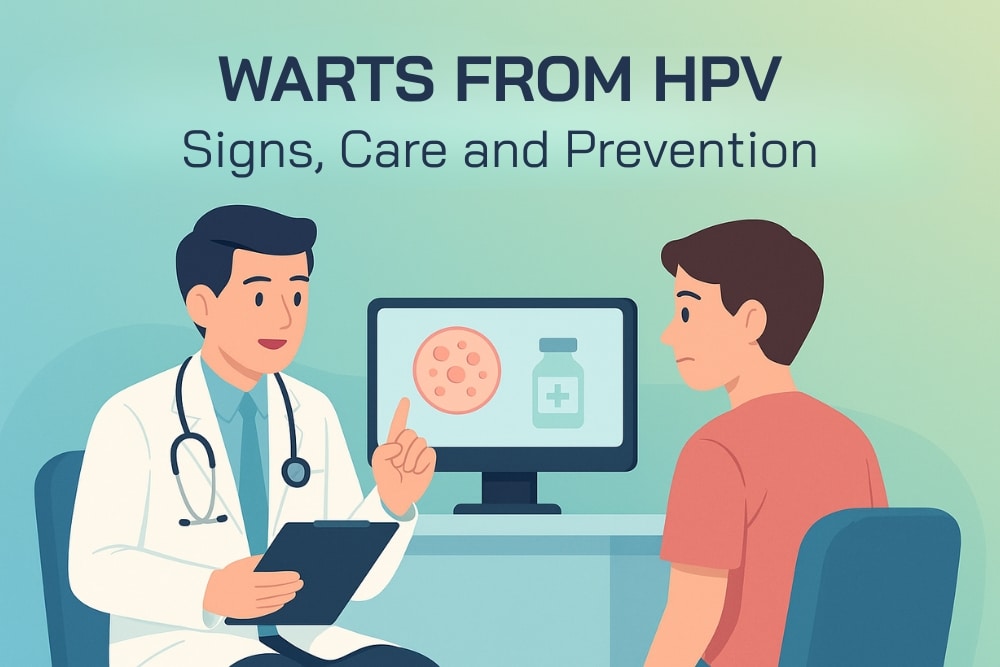
Warts, known in English as “warts,” are a common skin condition that affects people of all ages.
Read article →
Understand HPV, the difference between wart-causing and cancer-associated types, vaccination, screening, and what HPV tests can and cannot show.
Read article →
Sexually transmitted diseases (STIs) have a major impact on the physical health of millions of people around the world, which makes understanding them…
Read article →
Learn why masturbation is common, why there is no universal “normal” frequency, how to reduce irritation, and when pain or loss of control deserves support.
Read article →
Nongonococcal urethritis (NGU) is an infection of the urinary tract, or of the vaginal area in women.
Read article →
Sexually transmitted infections (STIs) are infections that can pass during sexual activity, but each pathogen has its own routes.
Read article →
Safe sex is something everyone wants in order to stay free from disease, isn’t it? After all, it is a natural part of human life.
Read article →
Hepatitis C virus (HCV) is primarily blood-borne. It should not be described as a routine STI or as spreading “the same way as HIV” in every respect.
Read article →
Gonorrhea often has no symptoms. Learn about genital, throat, and rectal infection, site-specific testing, treatment, partner care, and retesting.
Read article →
Anal cancer screening is not recommended for everyone at the same age. A provider considers age, HIV status, prior HPV-related precancer or cancer, immune…
Read article →
Safer sex means having sex while protecting yourself and your partner from sexually transmitted infections (STIs).
Read article →